

What Are the Best Practices for Pallet Inverter Operator Training in Multi-Shift Operations?
[

Ensuring safety and maximizing efficiency with pallet inverters in multi-shift operations hinges on robust operator training. Best practices include comprehensive initial training, regular refresher courses, shift-specific considerations, and a focus on both employee and product safety. Proper training minimizes risks, enhances productivity, and protects your investment in pallet inverter technology.
The Indispensable Role of Pallet Inverters in Modern Warehouses

In today's fast-paced warehousing and manufacturing environments, efficiency and safety are paramount. Pallet inverters have emerged as crucial pieces of equipment, streamlining material handling processes across diverse industries, from automotive and beverage to food processing and pharmaceuticals. These machines offer a significant upgrade from manual labor, enhancing both speed and safety when handling and reorienting heavy pallet loads.
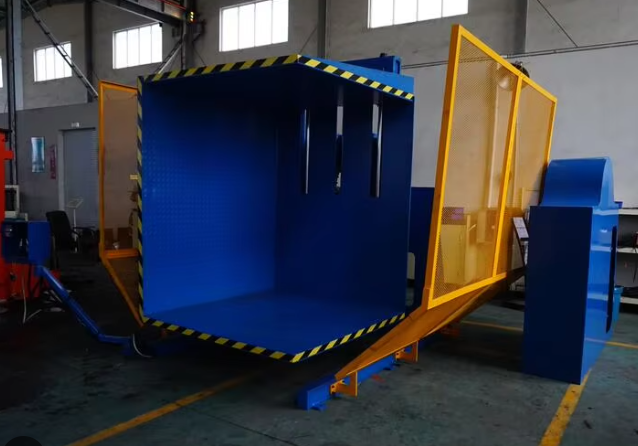
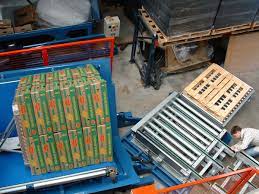
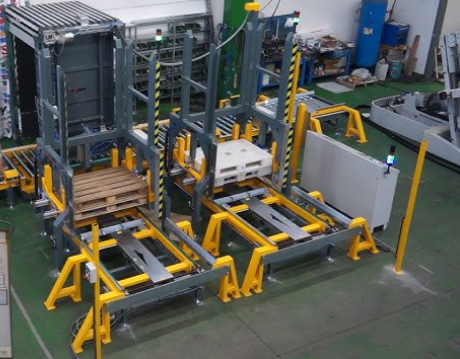
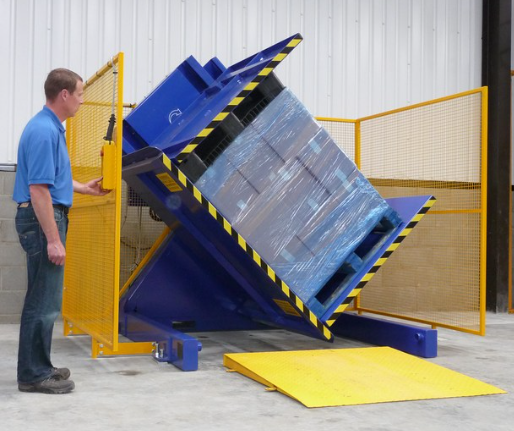
Pallet inverters are designed to lift, rotate, and tilt palletized goods, often up to 180 degrees. This capability facilitates a range of essential tasks. They are instrumental in efficiently replacing damaged pallets, switching pallet types (e.g., from wood to hygienic plastic), and accessing goods at the bottom of a stack without manual restacking. This reduces product damage and minimizes the strenuous manual labor that can lead to employee injuries. By automating and mechanizing pallet handling, businesses can significantly improve operational workflows and reduce costs.
Why Operator Training is Non-Negotiable, Especially in Multi-Shift Environments
While pallet inverters bring numerous benefits, their safe and efficient operation is entirely dependent on well-trained personnel. The power and mechanics of these machines, designed to handle loads weighing thousands of pounds, present inherent risks if operators are not thoroughly trained and consistently follow safety protocols. This is amplified in multi-shift operations where different teams might operate the equipment across day and night, potentially leading to variations in practices and increased risk if training isn't standardized and reinforced.
Effective operator training is not just about compliance; it's about cultivating a safety-first culture and maximizing the return on investment in pallet inverter technology. Inadequate training can lead to:
- Increased risk of accidents and injuries: Improper operation can result in serious injuries to employees from falling loads, machine malfunctions, or entanglement.
- Product damage: Mishandling of loads due to operator error can lead to damaged goods, resulting in financial losses and wasted resources.
- Equipment downtime and maintenance costs: Incorrect operation and lack of preventative checks can accelerate wear and tear, leading to breakdowns and costly repairs.
- Reduced efficiency and productivity: Untrained operators may operate the machine slowly or incorrectly, negating the intended efficiency gains of the pallet inverter.
- OSHA compliance issues: Regulatory bodies like OSHA require employers to provide a safe working environment, including proper training for equipment operators. Failure to comply can result in fines and legal repercussions.
In multi-shift operations, these risks are compounded by shift changes, potential communication gaps between teams, and the need to ensure consistent safety standards across all working hours. Therefore, a robust and well-structured training program is not just a best practice, but a critical necessity for any organization utilizing pallet inverters, particularly in environments with multiple shifts.
Core Components of Effective Pallet Inverter Operator Training Programs
A comprehensive pallet inverter operator training program should extend beyond basic machine operation and encompass safety, maintenance, and best practices tailored to the specific workplace and equipment. Key components include:
1. Initial Comprehensive Training: Laying the Foundation for Safe Operation
The initial training should be thorough and hands-on, providing operators with a complete understanding of the pallet inverter. This should cover:
- Machine Familiarization: A detailed introduction to the specific pallet inverter model, its components, controls, safety features (emergency stops, safety guards, sensors), and operational mechanisms. Operators need to understand how each part functions and interacts.
- Operational Procedures: Step-by-step instruction on how to correctly operate the pallet inverter for various tasks, such as pallet changing, load inversion, and transfer to slip sheets. This includes pre-operation checks, start-up procedures, operating controls (push-button operation, clamp pressure adjustment), and shut-down protocols.
- Load Handling Best Practices: Guidance on assessing load weight and stability, proper load securing techniques within the inverter, understanding load capacity limits, and handling different types of loads (boxes, drums, irregular shapes). Emphasis should be placed on preventing product damage during operation.
- Safety Protocols and Emergency Procedures: In-depth training on all safety guidelines, including clear zone establishment, PPE requirements (hard helmets, safety shoes, gloves), emergency stop procedures, and protocols for dealing with malfunctions or accidents. Operators should be trained to identify potential hazards and react appropriately in emergency situations.
- Pre-Shift Inspection and Basic Maintenance: Operators should be trained to perform daily pre-shift inspections, checking for any visible damage, loose parts, or malfunctions. They should also be trained on basic maintenance tasks like cleaning and lubrication, as per the manufacturer's recommendations.
2. Hands-on Practical Training: Skill Development and Competency Building
Classroom instruction should be complemented by extensive hands-on practical training. This allows operators to apply their knowledge in a controlled environment and develop the necessary skills.
- Supervised Operation: New operators should be supervised by experienced trainers or senior operators during their initial operational period. This provides real-time guidance and allows for immediate correction of any incorrect practices.
- Simulated Scenarios: Training should incorporate simulated scenarios that operators might encounter in real-world operations, such as handling uneven loads, dealing with pallet damage, or responding to simulated equipment malfunctions. This helps build problem-solving skills and prepares them for unexpected situations.
- Progressive Skill Assessment: Training should include a system for assessing operator competency. This could involve practical tests, checklists, and observation of their operational skills. Operators should only be certified to operate the equipment independently after demonstrating proficiency and understanding of safety procedures.
3. Regular Refresher Training: Reinforcing Knowledge and Adapting to Change
To maintain a high level of safety and operational efficiency, refresher training should be conducted regularly, ideally annually or whenever there are changes in equipment, procedures, or regulations.
- Review of Safety Protocols: Refresher training should start with a review of all safety protocols, accident reports (if any), and any updates to safety guidelines. This reinforces the importance of safety and addresses any areas where compliance might be lagging.
- Updates on Equipment and Procedures: If new pallet inverter models are introduced or operational procedures are updated, refresher training is crucial to ensure all operators are trained on the latest changes.
- Best Practices and Efficiency Tips: Refresher sessions can also be used to share best practices, efficiency tips, and lessons learned from operational experience. This promotes continuous improvement and helps operators refine their skills.
- Addressing Skill Gaps: Refresher training can identify and address any skill gaps or areas where operators need further development. This ensures consistent competency across all shifts and operator teams.
4. Shift-Specific Considerations in Multi-Shift Operations
Multi-shift operations present unique challenges that must be addressed in the training program:
- Standardized Training Across Shifts: It's critical to ensure that training content and delivery are standardized across all shifts. This guarantees consistent safety practices and operational procedures, regardless of the shift. Using the same trainers, training materials, and assessment methods across all shifts is recommended.
- Shift Handovers and Communication: Training should emphasize the importance of effective communication during shift handovers. Operators should be trained to communicate any equipment issues, maintenance needs, or operational concerns to the incoming shift. A logbook or digital system for shift handover communication can be beneficial.
- Night Shift Considerations: If night shifts are part of the operation, training should address specific night shift considerations, such as reduced visibility, fatigue management, and ensuring adequate lighting in the work area.
- Cross-Shift Training Opportunities: Consider opportunities for operators from different shifts to participate in joint training sessions. This can foster better communication, knowledge sharing, and a stronger sense of team unity across shifts.
Essential Safety Guidelines for Pallet Inverter Operation
Beyond training, adhering to strict safety guidelines is crucial for preventing accidents and ensuring a safe working environment around pallet inverters. These guidelines should be clearly communicated and consistently enforced:
- Personal Protective Equipment (PPE): Mandatory use of hard helmets, safety shoes, and gloves for all operators and personnel working in the pallet inverter area.
- Clear Zone Establishment: Clearly mark and enforce a safety perimeter around the pallet inverter using safety tape, floor markings, and signage. No unauthorized personnel should be within this zone during operation.
- Pre-Operation Checks: Operators must perform a pre-shift inspection checklist before each use, verifying machine functionality, safety features, and the absence of any damage.
- Load Stability and Securing: Always ensure loads are stable and properly secured within the inverter before initiating any movement. Use appropriate clamp pressure settings based on the load type and fragility.
- Emergency Stop Procedures: Operators must be thoroughly familiar with the location and operation of emergency stop buttons and procedures. Regular drills can reinforce these procedures.
- No Riders or Unauthorized Access: Strictly prohibit anyone from riding on the pallet inverter or entering the operational area during machine operation.
- Regular Maintenance Schedule: Implement a preventative maintenance schedule for the pallet inverter, including regular inspections, lubrication, and servicing by qualified technicians. Promptly address any maintenance needs or reported issues.
- Reporting Procedures: Establish clear procedures for operators to report any equipment malfunctions, safety concerns, or incidents, no matter how minor.
Maximizing Efficiency and Minimizing Risks: The ROI of Comprehensive Training
Investing in comprehensive pallet inverter operator training yields significant returns, contributing to both enhanced safety and improved operational efficiency. Well-trained operators are:
- Safer Operators: They are less likely to make errors that lead to accidents, protecting themselves and their colleagues from injury.
- More Efficient: Trained operators operate the equipment correctly and confidently, maximizing throughput and reducing cycle times.
- Product Protectors: They understand how to handle loads carefully, minimizing product damage and reducing waste.
- Equipment Stewards: Trained operators are more likely to perform pre-shift checks and report maintenance needs, contributing to equipment longevity and reducing downtime.
- Compliance Conscious: Proper training ensures compliance with OSHA and other safety regulations, avoiding potential fines and legal issues.
- Morale Boosters: Investing in employee training demonstrates a commitment to their safety and professional development, boosting morale and job satisfaction.
In conclusion, best practices for pallet inverter operator training in multi-shift operations revolve around a comprehensive, ongoing, and safety-focused approach. By prioritizing thorough initial training, practical skill development, regular refresher courses, shift-specific considerations, and strict adherence to safety guidelines, businesses can unlock the full potential of pallet inverter technology, creating a safer, more efficient, and more productive workplace across all shifts. This commitment to training is not just an expense; it's a strategic investment that safeguards employees, protects products, optimizes operations, and ensures long-term success.