

What Are the Best Practices for Pallet Inverter Maintenance in High-Temperature Environments?
[Pallet inverter high-temperature maintenance, equipment care, pallet inverter longevity, industrial maintenance]
To ensure pallet inverter longevity and optimal performance in high-temperature environments, regular maintenance is critical. Key best practices include frequent cleaning to remove heat-trapping debris, enhanced lubrication with high-temperature grease on moving parts, rigorous inspection schedules focusing on heat-sensitive components, and thorough hydraulic and electrical system checks to prevent overheating and breakdowns.
The Critical Role of Pallet Inverters and the Challenge of Heat
[Pallet inverter high-temperature maintenance, equipment care, pallet inverter longevity, industrial maintenance]

Pallet inverters are indispensable assets in modern warehouses and manufacturing facilities. These robust machines streamline material handling by efficiently rotating or flipping pallet loads, eliminating manual labor and minimizing product damage. From the food and beverage industry to pharmaceuticals and manufacturing, pallet inverters enhance productivity and safety across diverse sectors. However, in demanding, high-temperature environments, the consistent performance and longevity of pallet inverters can be significantly challenged.
Elevated temperatures, often encountered in industries like foundries, food processing, or outdoor storage during summer months, place immense stress on machinery. Heat can accelerate wear and tear on critical components, degrade lubricants, and lead to overheating of hydraulic and electrical systems. Without meticulous maintenance tailored for these conditions, businesses face increased risks of equipment failure, costly downtime, and reduced operational efficiency. Therefore, understanding and implementing best practices for pallet inverter maintenance in high-temperature settings is not just beneficial—it’s essential for sustained productivity and cost-effectiveness.
Understanding Pallet Inverter Basics for Effective Maintenance
[Pallet inverter high-temperature maintenance, equipment care, pallet inverter longevity, industrial maintenance]
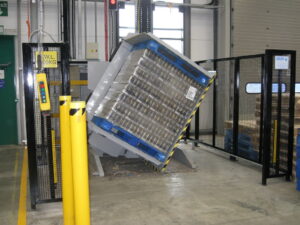
To effectively maintain a pallet inverter, it's crucial to understand its fundamental operation and key components. Pallet inverters, also known as pallet turners, are designed to grip, rotate, and sometimes side-shift palletized loads. This functionality is achieved through a combination of mechanical, hydraulic, and electrical systems working in concert.
A typical pallet inverter comprises several key components:
- Frame: The robust steel frame provides the structural integrity and stability required to handle heavy loads during inversion.
- Clamping Mechanism: This system, often hydraulically powered, securely holds the pallet load in place. Adjustable clamps accommodate various pallet sizes and prevent load shifting during rotation.
- Hydraulic System: The heart of the inverter, the hydraulic system powers the clamping and rotation actions. It includes pumps, cylinders, hoses, and hydraulic fluid, all working under pressure to provide the necessary force.
- Motor and Electrical Controls: Electric motors drive the hydraulic pump and power the control systems. Sophisticated electrical controls manage the inverter's operation, often with programmable settings for different load types and inversion angles.
- Safety Features: Modern pallet inverters are equipped with safety features such as light curtains, emergency stops, and safety guards to protect operators and prevent accidents.
Understanding how these components interact is vital for targeted maintenance. For instance, knowing that the hydraulic system is under constant stress and generates heat highlights the importance of hydraulic fluid checks and cooling measures, especially in high-temperature environments. Similarly, recognizing the role of electrical components in controlling the inverter emphasizes the need for regular electrical inspections to prevent heat-related failures.
The Impact of High Temperatures on Pallet Inverter Components
[Pallet inverter high-temperature maintenance, equipment care, pallet inverter longevity, industrial maintenance]
High-temperature environments exert significant stress on pallet inverter components, potentially leading to accelerated wear, reduced performance, and unexpected breakdowns. Understanding these impacts is the first step in implementing effective maintenance strategies.
- Hydraulic System Vulnerabilities: Heat is a major enemy of hydraulic systems. Elevated temperatures cause hydraulic fluid to thin, reducing its lubricating properties and increasing the risk of leaks. Heat also degrades seals and hoses, leading to cracks and failures. The hydraulic pump and cylinders can suffer from increased friction and wear, diminishing their efficiency and lifespan.
- Motor and Electrical System Overheating: Electric motors generate heat during operation, and high ambient temperatures exacerbate this issue. Overheating can damage motor windings, insulation, and bearings, leading to motor failure. Electrical components, including wiring, connectors, and control panels, are also susceptible to heat damage, potentially causing malfunctions and safety hazards.
- Lubrication Degradation: Heat significantly reduces the effectiveness of lubricants. Grease and oil can break down at high temperatures, losing their viscosity and ability to reduce friction between moving parts. This leads to increased wear and tear on bearings, gears, and sliding surfaces, such as clamp slides and rack and pinion mechanisms.
- Material Stress and Fatigue: Prolonged exposure to high temperatures can weaken metal components over time. Thermal expansion and contraction cycles, driven by temperature fluctuations, induce stress and fatigue in the frame, clamping mechanism, and other structural parts. This can lead to cracks, deformations, and ultimately, structural failure.
- Increased Debris Accumulation: High-temperature environments are often associated with increased dust and debris. Heat can cause dust to become more abrasive and penetrate deeper into machinery, clogging moving parts, interfering with sensor operation, and acting as an insulator, further trapping heat.
By recognizing these specific vulnerabilities, maintenance personnel can focus their efforts on mitigating the heat-related risks and ensuring the reliable operation of pallet inverters in challenging conditions.
Best Practices: Proactive Maintenance in High-Temperature Zones

Maintaining pallet inverters in high-temperature environments necessitates a proactive and diligent approach. Regular, meticulously executed maintenance is not merely a recommendation but a critical operational necessity. Here are the best practices to ensure pallet inverter longevity and performance under heat stress:

1. Enhanced Cleaning Regimen
- Frequency: Increase the frequency of cleaning compared to standard environments. Daily cleaning is often necessary in high-heat, dusty environments.
- Focus: Pay particular attention to removing heat-trapping debris. Use compressed air (with safety glasses) to clean crevasses and hard-to-reach areas where dust and particles accumulate. Clean around motors, hydraulic components, and electrical panels to ensure proper ventilation and heat dissipation.
- Methods: Utilize air hoses, vacuums, and appropriate cleaning solvents to remove dust, grime, and any accumulated residues. Avoid using water unless specifically recommended by the manufacturer, as it can lead to corrosion, especially in heated environments.
2. Optimized Lubrication Strategies
- High-Temperature Lubricants: Switch to high-temperature-rated greases and oils specifically designed to maintain their viscosity and lubricating properties at elevated temperatures. Consult lubricant suppliers or the pallet inverter manufacturer for recommended high-temperature lubricants.
- Increased Lubrication Frequency: Heat accelerates lubricant degradation, so increase the frequency of lubrication for all moving parts. Lubricate clamp slide assemblies, rack and pinion mechanisms, bearings, and gears more often.
- Lubrication Point Inspection: Regularly inspect lubrication points for signs of dryness or contamination. Ensure grease fittings are clean and functional. Purge old grease when relubricating to remove contaminants and ensure fresh lubricant reaches critical areas.
3. Rigorous Inspection Schedules
- Daily Inspections: Implement daily pre-shift inspections. Check for loose bolts and tighten them. Inspect hydraulic hoses and fittings for wear, abrasions, and leaks. Look for any signs of damage or unusual noises during operation.
- Weekly Deep Dives: Conduct more thorough weekly inspections. Remove turnover cylinder covers and inspect for wear, damage, and proper lubrication of gears and gear tracks. Check fluid levels (hydraulic oil, gear oil if applicable) and inspect filters and pump gauges. Replace filters when gauges indicate restriction (e.g., needle in the "red").
- Monthly Comprehensive Checks: Schedule monthly preventative maintenance checks. This should include calibration checks to ensure accurate and safe load rotation, and a detailed examination of all electrical connections for signs of heat stress, corrosion, or loose wiring.
4. Hydraulic System Vigilance
- Fluid Monitoring and Cooling: Monitor hydraulic fluid temperature regularly. Consider installing hydraulic oil coolers if operating temperatures consistently exceed recommended limits. Use high-quality, heat-resistant hydraulic fluid appropriate for the operating temperature range.
- Leak Detection and Repair: Heat exacerbates leaks. Promptly address any hydraulic leaks, no matter how small. Inspect hoses, fittings, cylinders, and pumps for leaks daily.
- Filter Maintenance: Increase hydraulic filter replacement frequency in hot environments. Heat promotes fluid degradation, leading to increased particle contamination. Regular filter changes maintain fluid cleanliness and protect hydraulic components.
5. Motor and Electrical System Care
- Ventilation and Cooling: Ensure motors and electrical panels have adequate ventilation. Keep cooling fans clean and unobstructed. Consider forced air cooling or even enclosure air conditioners for critical electrical components in extreme heat.
- Thermal Inspections: Periodically conduct thermal inspections of motors and electrical panels using infrared thermometers or thermal imaging cameras. Identify hotspots that indicate potential overheating or component failure.
- Wiring and Connection Checks: Heat can degrade wire insulation and loosen electrical connections. Regularly inspect wiring for brittleness, cracking, or discoloration. Check all electrical connections for tightness and corrosion.
6. Employee Training and Awareness
- High-Temperature Operation Training: Train operators specifically on the challenges of operating pallet inverters in high-temperature environments. Emphasize the importance of pre-shift checks, careful operation to avoid unnecessary stress on the machine, and immediate reporting of any unusual signs or sounds.
- Safety Protocols: Reinforce safety protocols, especially regarding heat-related hazards. Ensure operators are aware of burn risks from hot machine surfaces and hydraulic components. Provide and mandate the use of appropriate PPE, including heat-resistant gloves and eye protection.
7. Performance Monitoring and Data Logging
- Key Performance Indicators (KPIs): Track relevant KPIs, such as cycle times, uptime, and maintenance frequency. Deviations from normal performance can indicate heat-related issues developing.
- Temperature Logging: Consider installing temperature sensors on critical components like hydraulic fluid reservoirs and motors to log operating temperatures over time. This data can help identify trends and predict potential overheating problems.
By consistently implementing these best practices, businesses can significantly mitigate the negative impacts of high-temperature environments on pallet inverters, ensuring their reliable operation, extending their lifespan, and maximizing their contribution to productivity and safety. Regular, proactive maintenance is the key to keeping pallet inverters running efficiently, even when the heat is on.