

What Are the Benefits of Pallet Inverters in Reducing Warehouse Energy Consumption?
[

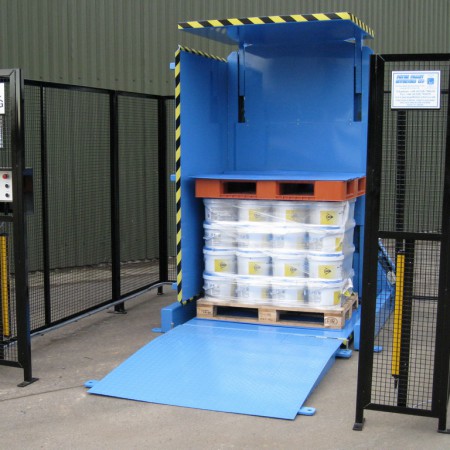
Pallet inverters are pivotal in modern warehouses, offering a streamlined approach to material handling that significantly cuts down on energy use. By automating pallet transfer and reducing manual labor, these machines boost efficiency and contribute to substantial energy savings, making them an eco-friendly solution for warehouses aiming for sustainability.
Streamlining Warehouse Operations for Energy Savings
In today's fast-paced warehousing and logistics landscape, efficiency isn't just about speed; it's also about smart energy consumption. Pallet inverters are emerging as a key technology for warehouses aiming to reduce their operational footprint while enhancing productivity. These machines are designed to invert, transfer, or exchange pallets of goods, eliminating manual handling and streamlining processes in ways that directly translate to energy savings.
The Energy Drain of Traditional Pallet Handling
Traditional warehouse operations often rely heavily on manual labor and conventional material handling equipment like forklifts for pallet management. Manually unloading and restacking pallets is labor-intensive, time-consuming, and prone to product damage. Furthermore, the constant use of forklifts to reposition loads, change pallets, or access goods deep within a pallet contributes significantly to warehouse energy consumption. Forklifts, whether electric or fuel-powered, require substantial energy to operate, and their frequent movements within a warehouse add up to a considerable energy bill and carbon footprint.
Pallet Inverters: An Energy-Efficient Alternative
Pallet inverters offer a more energy-conscious approach to pallet handling. By automating the process of inverting and transferring pallet loads, these machines minimize the need for manual labor and reduce reliance on energy-intensive forklifts. Here’s how pallet inverters contribute to reduced warehouse energy consumption:
- Reduced Forklift Usage: Pallet inverters streamline pallet changing and load transfer processes. Instead of using forklifts to maneuver and restack goods, a pallet inverter can quickly and efficiently invert the entire load. This significantly decreases the amount of forklift travel and operation time needed for pallet management tasks, leading to direct energy savings.
- Minimized Manual Labor: Manual pallet handling is not only inefficient but also physically demanding and time-consuming. Pallet inverters automate much of this labor, reducing the need for workers to manually unload and reload goods. This automation leads to faster processing times and reduces overall operational hours, indirectly lowering energy consumption by shortening the duration of warehouse activities.
- Optimized Workflow Efficiency: By speeding up pallet changing and load transfer, pallet inverters improve the overall workflow efficiency within a warehouse. Faster turnaround times and smoother operations mean less idle time for equipment and personnel, contributing to a more energy-efficient operation.
- Decreased Product Damage: Pallet inverters handle loads with stability and precision, minimizing the risk of product damage during pallet transfer. Reduced damage translates to less product waste and eliminates the need for rework or re-handling of damaged goods, which would otherwise require additional energy and resources.
Sustainability Benefits of Pallet Inverters
[

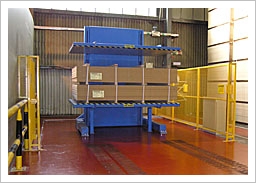
Beyond energy consumption reduction, pallet inverters offer a range of sustainability benefits that align with modern warehouse environmental goals. By optimizing material handling processes, these machines contribute to a more eco-friendly and sustainable operation:
- Reduced Pallet Waste: Pallet inverters facilitate the easy exchange of damaged pallets. By quickly inverting loads, damaged pallets can be removed and replaced without the need to unload and restack the goods manually. This extends the lifespan of pallets, reduces the demand for new pallet production, and minimizes pallet waste disposal, conserving resources and reducing environmental impact.
- Promotion of Reusable Pallets: Industries are increasingly shifting towards reusable pallets, such as plastic or aluminum pallets, for hygiene and durability reasons. Pallet inverters are crucial for efficiently switching between different pallet types, allowing warehouses to easily transition incoming goods from shipping pallets to in-house reusable pallets. This promotes the use of sustainable pallet options and reduces reliance on single-use wooden pallets, which contribute to deforestation.
- Lower Carbon Footprint: By reducing forklift usage and optimizing warehouse operations, pallet inverters contribute to a lower carbon footprint for warehouse operations. Less forklift operation means reduced fuel or electricity consumption, leading to lower greenhouse gas emissions. Streamlined processes also minimize operational inefficiencies that indirectly contribute to energy waste.
- Eco-Friendly Material Handling Solution: Pallet inverters themselves are designed for longevity and reliability. Constructed from durable materials, these machines offer a long service life, reducing the need for frequent replacements. Choosing durable and long-lasting equipment is a key aspect of sustainable practices, minimizing resource consumption and waste associated with manufacturing and disposal.
Pallet Inverter Efficiency: Enhancing Productivity and Reducing Downtime
[

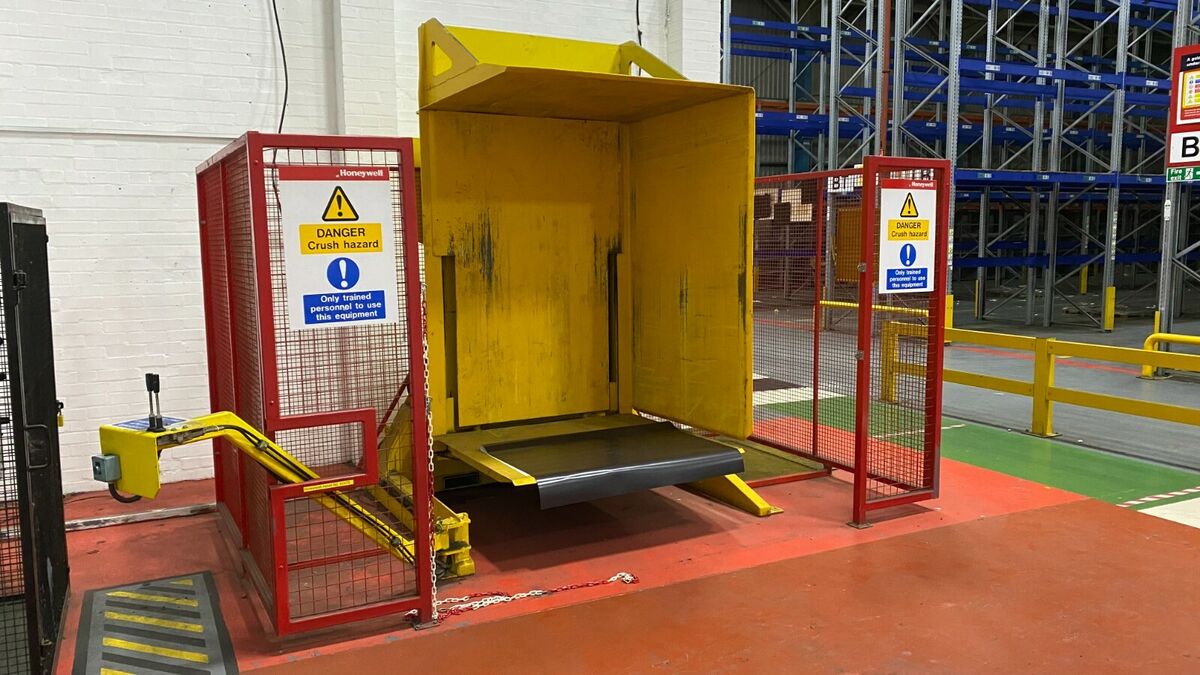
Efficiency is at the core of pallet inverter design, and their impact on warehouse productivity is substantial. By streamlining key material handling tasks, pallet inverters enhance operational speed and reduce downtime, further contributing to energy efficiency:
- Fast Pallet Changing and Transfer: Pallet inverters drastically reduce the time required for pallet changing and load transfer. Compared to manual methods that can take significant time and labor, a pallet inverter can complete the task in seconds. This speed enhancement directly translates to increased throughput and faster processing times within the warehouse.
- Minimized Downtime: Manual pallet handling processes are prone to delays and disruptions, especially when dealing with damaged pallets or unstable loads. Pallet inverters provide a reliable and consistent method for pallet management, reducing the likelihood of operational downtime caused by handling issues. Less downtime means continuous workflow and optimized energy utilization.
- Improved Labor Productivity: By automating physically demanding and repetitive tasks, pallet inverters free up warehouse personnel to focus on more value-added activities. Employees can be redeployed to tasks that require skilled labor and decision-making, enhancing overall labor productivity and job satisfaction.
- Consistent and Reliable Operation: Pallet inverters are engineered for consistent and reliable performance. Their robust construction and precise operation ensure smooth and predictable pallet handling, minimizing errors and maximizing operational efficiency day after day. This reliability is crucial for maintaining a high level of productivity and minimizing energy waste from operational hiccups.
Eco-Friendly Solutions for Modern Warehouses
[

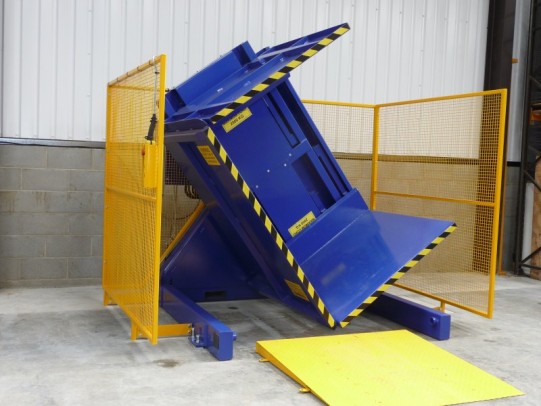
Pallet inverters represent an eco-friendly solution for warehouses committed to sustainability and environmental responsibility. Their benefits extend beyond energy and cost savings to encompass broader environmental advantages:
- Promoting Sustainable Practices: Investing in pallet inverters demonstrates a commitment to sustainable practices within warehouse operations. By adopting energy-efficient and waste-reducing technologies, businesses can align with environmental regulations, meet customer expectations for eco-conscious operations, and enhance their corporate social responsibility profile.
- Reducing Waste and Resource Consumption: Pallet inverters contribute to waste reduction in multiple ways – by extending pallet lifespan, minimizing product damage, and streamlining processes. Less waste directly translates to reduced resource consumption across the supply chain, from raw materials to energy and disposal.
- Enhancing Workplace Safety: While not directly related to energy consumption, improved workplace safety is an integral part of sustainable and responsible operations. Pallet inverters reduce the physical strain on workers associated with manual pallet handling, minimizing the risk of injuries and creating a safer working environment. A safe and healthy workforce is essential for long-term sustainability.
- Long-Term Cost Savings and Environmental Benefits: The initial investment in a pallet inverter yields long-term cost savings through reduced energy consumption, lower labor costs, minimized product damage, and decreased pallet waste. These economic benefits are intertwined with environmental advantages, making pallet inverters a financially sound and ecologically responsible choice for forward-thinking warehouses.
Conclusion: Pallet Inverters - Powering Efficiency and Sustainability
For warehouses striving to minimize energy consumption and embrace sustainable practices, pallet inverters are an indispensable asset. These machines offer a powerful combination of energy efficiency, operational streamlining, and environmental benefits. By reducing forklift usage, minimizing manual labor, enhancing productivity, and promoting waste reduction, pallet inverters contribute significantly to creating greener, more efficient, and cost-effective warehouse operations. Investing in pallet inverter technology is a strategic move for warehouses seeking to optimize their material handling processes while making a positive impact on the environment and their bottom line. By automating time-consuming tasks and ensuring precise handling of goods, pallet inverters deliver unparalleled efficiency and reliability, making them a worthwhile investment for businesses across industries aiming for both operational excellence and environmental stewardship.