

What Are the Benefits of Pallet Inverters in Reducing Carbon Emissions?
[

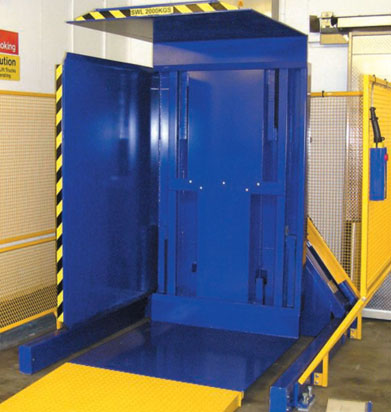
Pallet inverters offer significant carbon emission reductions by minimizing pallet damage and waste, facilitating the switch to sustainable pallet types, and enhancing operational efficiency. By reducing the need for new pallet production and enabling the adoption of eco-friendly alternatives, pallet inverters contribute to a greener supply chain and a smaller environmental footprint for businesses.
The Unseen Carbon Footprint of Pallet Handling
[

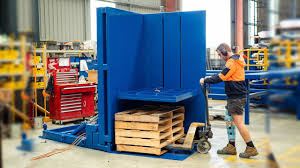
In the relentless drive for sustainability, businesses are scrutinizing every facet of their operations for opportunities to reduce carbon emissions. While much attention is given to transportation and energy consumption, the often-overlooked area of material handling, particularly pallet management, presents a surprisingly impactful avenue for environmental improvement. Traditional pallet handling methods, often reliant on manual labor and forklifts, contribute to inefficiencies, product damage, and, consequently, a larger carbon footprint than necessary. Investing in pallet inverters emerges as a strategic move not only for operational efficiency but also as a powerful tool in the fight against climate change.
Understanding Pallet Inverters: A Modern Solution for Material Handling
[

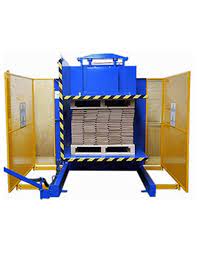
Before delving into the carbon emission benefits, it’s crucial to understand what pallet inverters are and how they function. A pallet inverter is a specialized piece of equipment designed to efficiently and safely rotate palletized loads. Essentially, it grips a load securely and then flips it, typically 180 degrees. This seemingly simple action unlocks a range of benefits across various industries.
Pallet inverters are not just about flipping pallets; they are about optimizing material handling processes. They eliminate the need for manual restacking, which is labor-intensive, time-consuming, and prone to errors and injuries. By automating the pallet transfer process, businesses can streamline operations, reduce labor costs, and enhance workplace safety. Top Industries Inc., a leading manufacturer in this sector, emphasizes the versatility of their pallet inverters, capable of handling diverse load types, from fragile goods to heavy materials, making them adaptable to a wide array of industrial applications.
Efficiency Gains: The First Step Towards Emission Reduction
[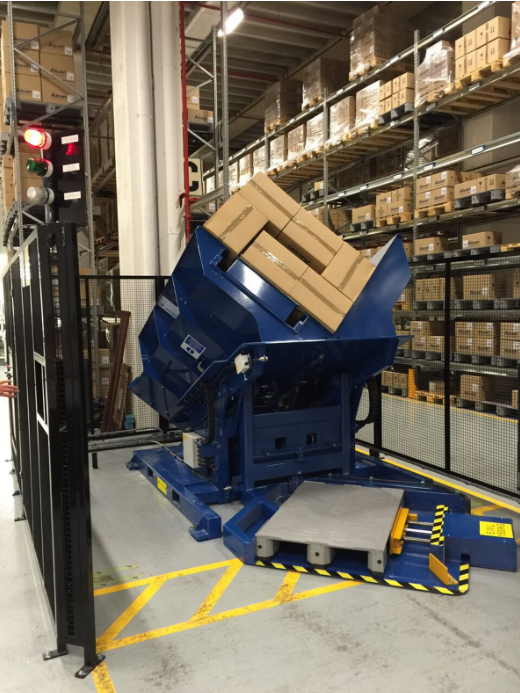

The most immediate benefit of pallet inverters is the significant boost in operational efficiency. Manually transferring goods between pallets is a slow and arduous process. Pallet inverters drastically reduce the time required for this task. Instead of painstakingly unloading and reloading items box by box, an entire pallet load can be inverted and transferred in a fraction of the time. This speed translates directly to increased productivity and faster turnaround times within warehouses and production facilities.
This enhanced efficiency has a ripple effect on carbon emissions. Faster operations can lead to reduced energy consumption within a facility. For instance, if pallet inverters decrease the time forklifts are in operation for pallet transfer tasks, this directly lowers fuel or electricity consumption, depending on the forklift type. Furthermore, quicker processing times can optimize logistics flows, potentially reducing overall transportation needs and associated emissions across the supply chain.
Minimizing Product Damage: Reducing Waste and Embodied Carbon
Product damage is a significant, yet often underestimated, contributor to carbon emissions in the supply chain. Damaged goods become waste, and replacing them necessitates additional production, packaging, and transportation – all of which generate carbon emissions. Forklift handling, while essential, can be a major cause of product damage if not executed with utmost care. The risks are amplified when manually transferring loads.
Pallet inverters offer a solution to this problem by providing a more controlled and stable method for pallet transfer. By securely clamping and rotating the entire load, the risk of items shifting, falling, or being crushed is significantly reduced compared to manual handling or less precise forklift maneuvers. This decrease in product damage directly translates to less waste and a reduced need for replacements. Less waste means less embodied carbon – the carbon footprint associated with the production and transportation of goods that ultimately end up discarded. By preserving products and minimizing damage, pallet inverters play a crucial role in reducing waste-related carbon emissions.
Reducing Pallet Waste: Extending Pallet Lifespan and Lowering Demand for New Pallets
Pallets themselves have a carbon footprint. Wooden pallets, while widely used, contribute to deforestation and require significant resources to produce. Plastic pallets, while more durable, are resource-intensive in their manufacturing process. Damage to pallets, often caused by rough handling and frequent manual interventions, shortens their lifespan, leading to premature disposal and the need for new pallets.
Pallet inverters contribute to a reduction in pallet waste in several ways. Firstly, by minimizing manual handling and forklift interactions during pallet transfer, they reduce the physical stress and strain on pallets, extending their usable life. Less damage means pallets last longer, reducing the frequency of replacement and lowering the demand for newly manufactured pallets. This, in turn, decreases the carbon emissions associated with pallet production – from timber harvesting for wooden pallets to the energy-intensive processes involved in creating plastic or metal alternatives.
Moreover, pallet inverters facilitate better pallet management practices. By enabling efficient switching of goods to different pallet types, businesses can optimize pallet usage. For instance, incoming goods on standard shipping pallets can be quickly transferred to in-house racking pallets or more specialized pallets suited for specific areas like hygiene-sensitive zones. This strategic use of pallets, facilitated by inverters, can further extend pallet lifespan and reduce overall pallet consumption.
Facilitating the Adoption of Sustainable Pallet Alternatives
The environmental impact of pallets is increasingly recognized, driving innovation in sustainable pallet alternatives. KraftPal corrugated cardboard pallets, for example, offer a significantly lower carbon footprint compared to traditional wooden pallets. NetZero Pallets, made from coconut husks, even boast carbon-negative properties. However, transitioning to these alternative pallet types can present logistical challenges if current material handling systems are not adaptable.
Pallet inverters play a crucial role in enabling a smooth transition to these more sustainable pallet options. Their ability to handle various pallet types and facilitate quick and easy load transfers makes it practical for businesses to switch to eco-friendly alternatives. For instance, a company receiving goods on wooden pallets can use a pallet inverter to efficiently transfer those goods onto lighter, recyclable KraftPal pallets for onward distribution. This adaptability is key to unlocking the carbon emission reduction potential of sustainable pallets. By making it easier to adopt and integrate these greener alternatives into existing operations, pallet inverters become a catalyst for broader sustainability initiatives within the supply chain.
The Broader Sustainability Impact: Beyond Carbon Emissions
While the focus here is on carbon emission reduction, the benefits of pallet inverters extend to broader sustainability goals. Reduced pallet and product waste conserves natural resources. Extended pallet lifespan reduces deforestation pressure associated with wooden pallet production. The potential to adopt recycled and bio-based pallet alternatives, facilitated by pallet inverters, further contributes to circular economy principles and reduces reliance on virgin materials.
Furthermore, the improved efficiency and safety associated with pallet inverters contribute to a more sustainable and responsible business operation overall. Reduced workplace injuries, a direct benefit of automated pallet handling, contribute to social sustainability. The cost savings achieved through increased efficiency, reduced damage, and optimized pallet usage can be reinvested in further sustainability initiatives, creating a positive feedback loop.
Quantifiable Carbon Savings: Making the Business Case for Pallet Inverters
While quantifying the exact carbon emission reduction from pallet inverters is complex and depends on specific operational contexts, the cumulative impact can be substantial. Consider a warehouse that processes a high volume of palletized goods daily. Even a small percentage reduction in product damage, pallet waste, and energy consumption through the implementation of pallet inverters can translate to significant carbon savings over a year.
Moreover, as carbon taxes and stricter environmental regulations become more prevalent, the financial benefits of carbon emission reduction are increasingly tangible. Investing in pallet inverters is not just an environmentally responsible choice; it is also a financially prudent one, offering long-term cost savings and enhancing a company’s sustainability profile in an increasingly eco-conscious marketplace.
Conclusion: Pallet Inverters as a Cornerstone of Sustainable Material Handling
In the quest for greener supply chains, businesses must explore every avenue for carbon emission reduction. Pallet inverters, often overlooked in broader sustainability discussions, emerge as a powerful and practical solution. By enhancing efficiency, minimizing product and pallet waste, and facilitating the adoption of sustainable pallet alternatives, pallet inverters offer a multi-faceted approach to reducing carbon emissions in material handling operations. Investing in pallet inverters is not just about improving operational efficiency; it is about making a tangible commitment to environmental sustainability and building a more responsible and resilient supply chain for the future. For businesses seeking to reduce their environmental footprint and enhance their sustainability credentials, pallet inverters represent a smart and effective investment, delivering both economic and environmental returns.