

Are you tired of unexpected downtime and costly repairs in your mold operations? Imagine a system that anticipates problems before they occur, optimizing your workflow and saving you money. Intrigued? Read on to discover how IoT is revolutionizing mold maintenance.
%[alt with Smart Mold Upenders]

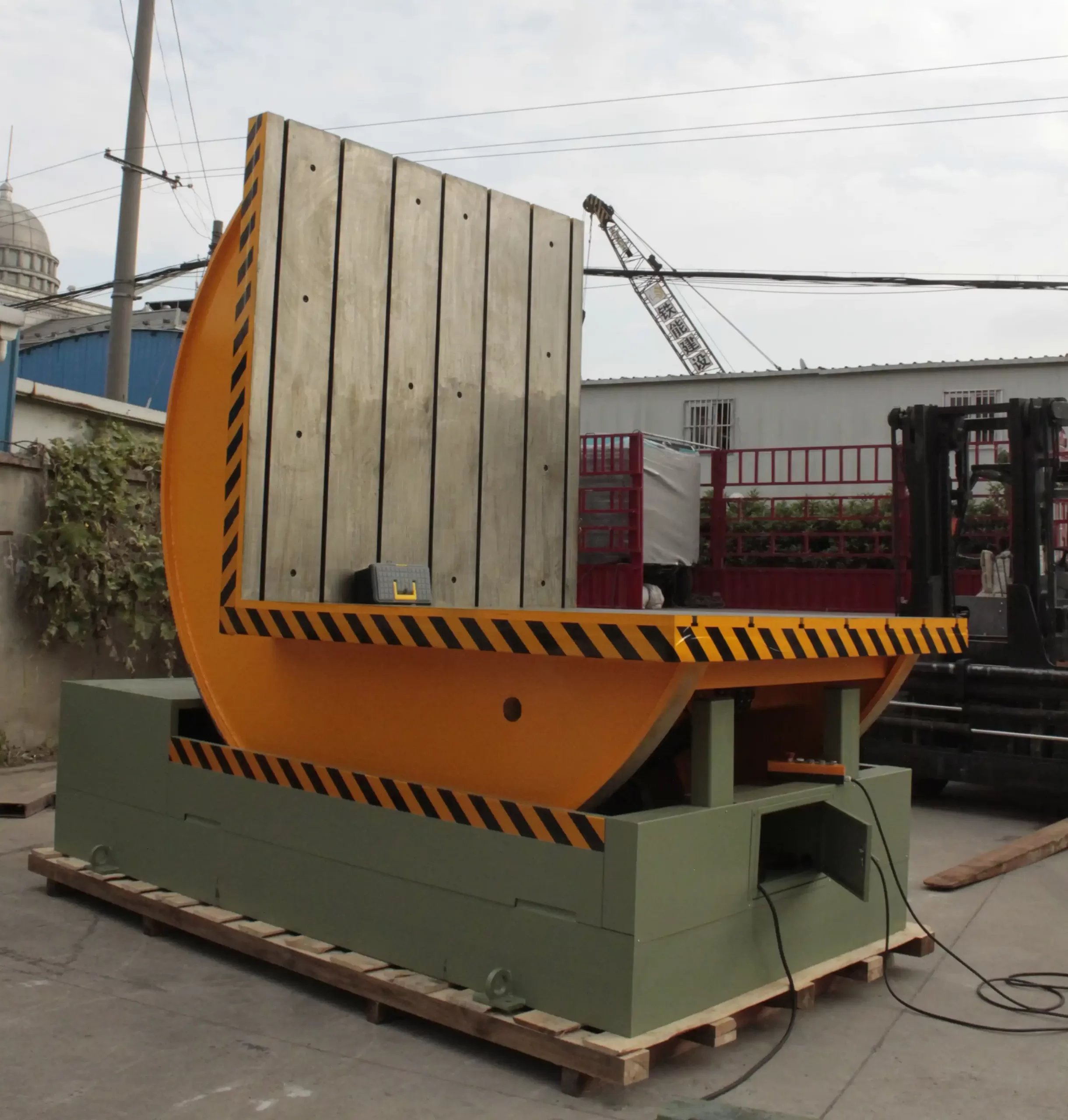
IoT transforms mold upenders with real-time monitoring and predictive maintenance. Sensors track critical parameters like temperature and pressure, feeding data to AI algorithms. This allows for early detection of potential failures, minimizing downtime, optimizing performance, and extending the lifespan of equipment. This proactive approach is essential for modern, efficient manufacturing.
Ready to dive deeper? This article explores how integrating IoT into mold upenders revolutionizes real-time monitoring and predictive maintenance, boosting efficiency and minimizing costly disruptions in your operations.
Real-Time Monitoring with IoT-Enabled Mold Upenders
Traditional mold maintenance often relies on periodic inspections, which can be time-consuming and may not catch subtle issues before they escalate. What if you could monitor your mold upenders in real-time, detecting anomalies and potential problems as they arise?
IoT-enabled mold upenders offer real-time monitoring through integrated sensors that continuously track critical parameters like temperature, pressure, vibration, and hydraulic fluid levels. This data is transmitted to a central dashboard, providing operators with a live view of the equipment's condition. Real-time alerts can be triggered when parameters deviate from established thresholds, enabling immediate action to prevent failures and downtime. This proactive approach is essential for optimizing mold performance and extending its lifespan.
%[IoT for Real-Time Monitoring]

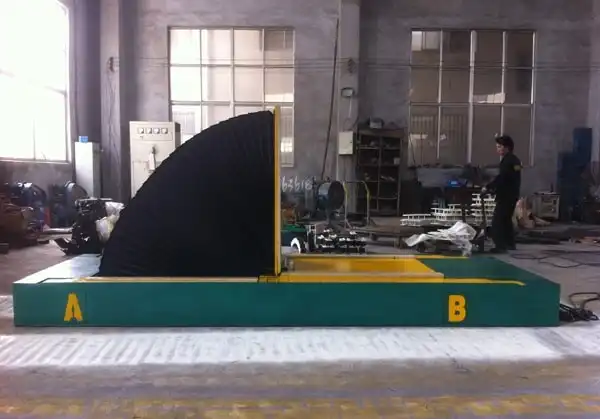
Dive Deeper: Unveiling the Power of Real-Time Data
Real-time data allows for a shift from reactive to proactive maintenance. But how does this data translate into actionable insights, and what are the benefits of having such granular control over your mold upenders?
The Data Deluge: Making Sense of the Information
IoT devices generate a massive amount of data. To make this data useful, it must be processed, analyzed, and presented in a clear and understandable format. This is where data analytics platforms and visualization tools come into play.
Actionable Insights: Translating Data into Decisions
The goal of real-time monitoring is not simply to collect data, but to use it to make informed decisions. This requires a system that can:
- Identify Trends: Recognizing patterns in the data that indicate potential problems.
- Generate Alerts: Automatically notifying operators when parameters exceed predefined thresholds.
- Provide Diagnostic Information: Offering insights into the root cause of anomalies.
Quantifying the Benefits: A Data-Driven Approach
Let's consider a scenario where a mold upender experiences a sudden spike in hydraulic fluid temperature. Without real-time monitoring, this issue might go unnoticed until a major failure occurs. However, with IoT sensors and data analytics, the spike is immediately detected, and an alert is sent to the operator.
| Metric | Without Real-Time Monitoring | With Real-Time Monitoring | Improvement |
|---|---|---|---|
| Downtime per year | 48 hours | 8 hours | 83% |
| Repair costs per year | $15,000 | $3,000 | 80% |
| Production output | 10,000 units | 11,500 units | 15% |
| Average lifespan of mold | 5 years | 7 years | 40% |
This table illustrates the potential benefits of real-time monitoring, including reduced downtime, lower repair costs, increased production output, and extended equipment lifespan.
The Human Element: Empowering Operators
While IoT systems can automate many aspects of monitoring and maintenance, the human element remains crucial. Operators need to be trained to interpret the data, diagnose problems, and take appropriate action. The best systems provide operators with the tools and information they need to make informed decisions.
Predictive Maintenance: Anticipating and Preventing Failures
Reactive and preventive maintenance strategies have their limitations. Is there a way to move beyond scheduled maintenance and address potential problems before they lead to costly downtime?
Predictive maintenance leverages IoT data and advanced analytics to forecast equipment failures. By continuously analyzing sensor data, AI algorithms can identify subtle patterns and anomalies that indicate impending issues. This allows maintenance to be scheduled proactively, minimizing disruptions and extending equipment lifespan. Predictive maintenance optimizes maintenance schedules and enhances operational efficiency.

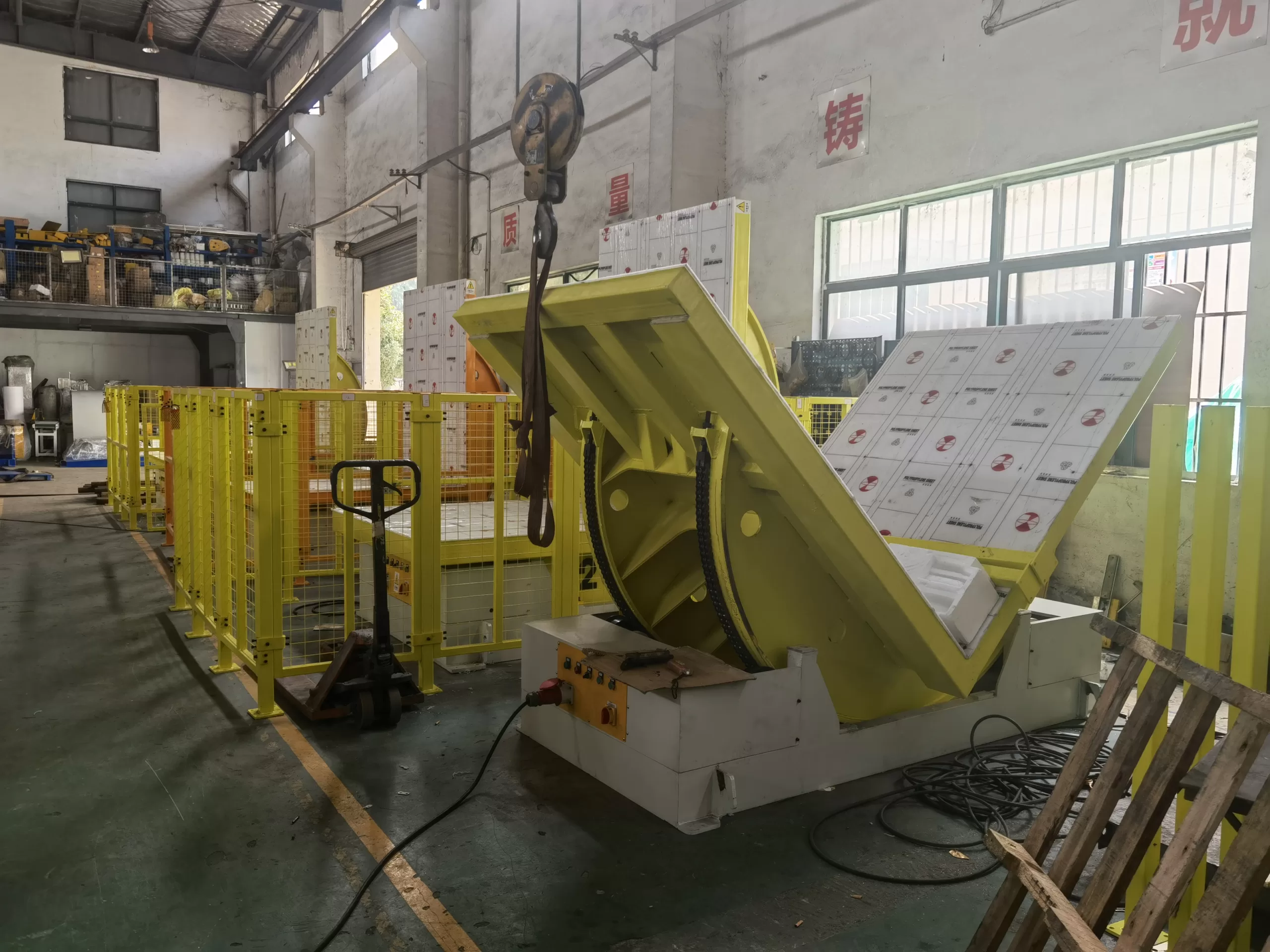
Beyond Scheduled Maintenance: The Predictive Advantage
Predictive maintenance goes beyond scheduled maintenance by using data to anticipate failures and schedule maintenance only when needed. But how does this work in practice, and what are the key components of a successful predictive maintenance program?
The Predictive Power of Algorithms
The heart of predictive maintenance is the algorithm that analyzes sensor data and forecasts failures. These algorithms can range from simple statistical models to sophisticated machine learning techniques.
Key Data Points: Vibration Analysis
For mold upenders, vibration analysis is often a key indicator of equipment health. Changes in vibration patterns can signal problems with bearings, motors, or other critical components. By monitoring vibration data and using algorithms to detect anomalies, it's possible to predict failures before they occur.
Implementing Predictive Maintenance: A Step-by-Step Guide
Implementing a predictive maintenance program involves several key steps:
- Data Collection: Install sensors on mold upenders to collect data on critical parameters.
- Data Transmission: Establish a system for transmitting data to a central database or analytics platform.
- Data Analysis: Use algorithms to analyze the data and identify potential problems.
- Alert Generation: Configure the system to generate alerts when anomalies are detected.
- Maintenance Scheduling: Schedule maintenance proactively based on the alerts.
- Continuous Improvement: Refine the system over time by incorporating feedback from operators and maintenance personnel.
Quantifying the ROI: Measuring Success
To justify the investment in a predictive maintenance program, it's important to track key metrics, such as:
- Downtime Reduction: Measuring the decrease in unplanned downtime.
- Maintenance Cost Savings: Tracking the reduction in maintenance expenses.
- Production Output Increase: Monitoring the improvement in production efficiency.
- Equipment Lifespan Extension: Assessing the increase in equipment lifespan.
The Role of Smart Factory Integration
IoT-enabled mold upenders and predictive maintenance don't exist in isolation. They are part of a larger trend toward smart factories, where all aspects of the manufacturing process are interconnected and data-driven. How do these components work together to create a more efficient and resilient operation?
Smart factory integration amplifies the benefits of IoT and predictive maintenance. By connecting mold upenders to other systems, such as ERP, MES, and CMMS, data can be shared seamlessly, enabling better decision-making and optimized workflows. This integration creates a holistic view of the manufacturing process, enhancing overall efficiency and responsiveness.

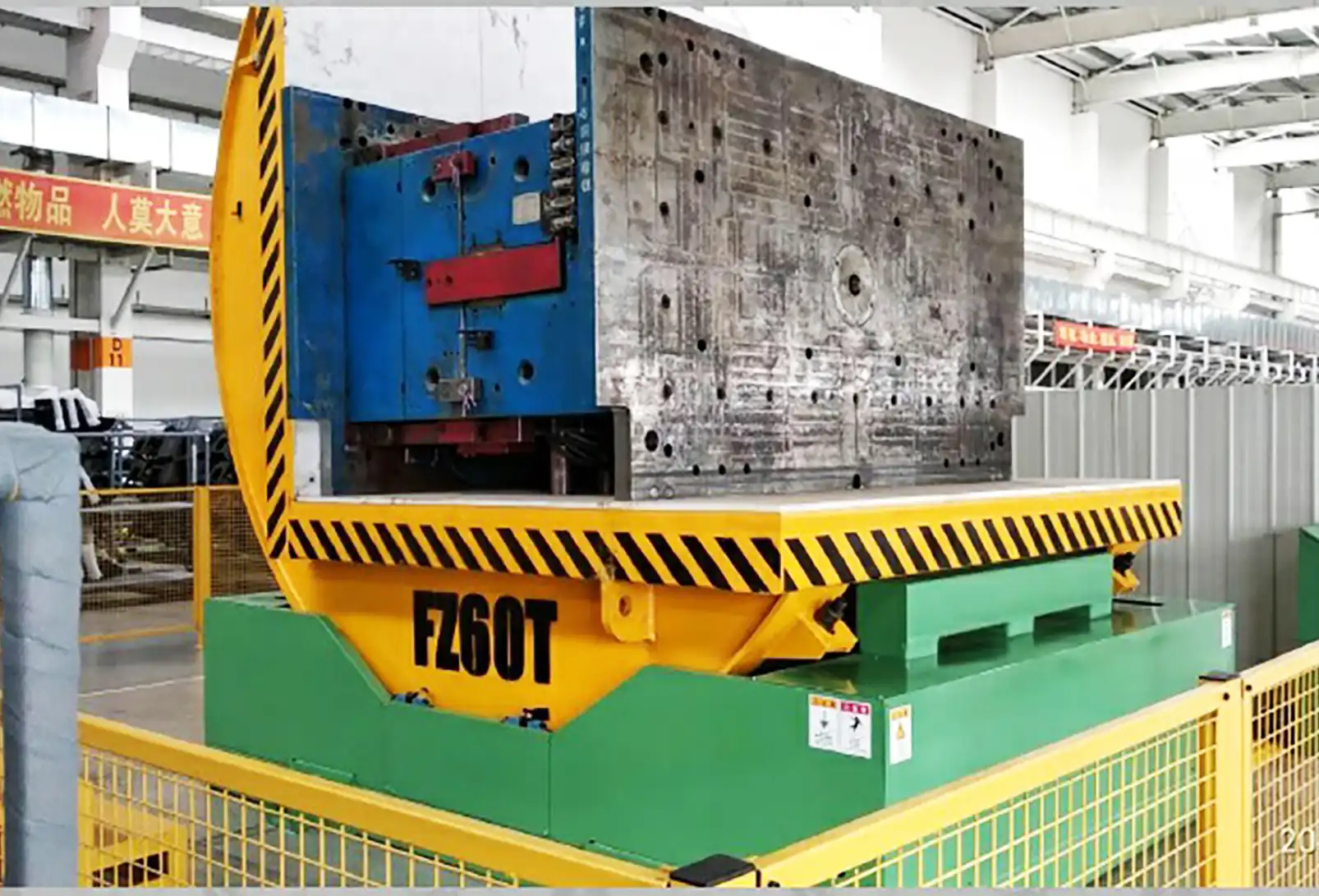
Smart Factory Integration: Connecting the Dots
Smart factories represent the future of manufacturing. But what does integration really mean, and how can it benefit your mold operations?
Data Sharing: Breaking Down Silos
One of the key benefits of smart factory integration is the ability to share data between different systems. This eliminates data silos and provides a more complete picture of the manufacturing process.
System Connectivity: ERP, MES, and CMMS
Integration with ERP (Enterprise Resource Planning), MES (Manufacturing Execution System), and CMMS (Computerized Maintenance Management System) can unlock a wealth of benefits.
- ERP: Sharing data with ERP systems allows for better inventory management, production planning, and cost accounting.
- MES: Integrating with MES systems enables real-time monitoring of production performance, improved quality control, and optimized workflows.
- CMMS: Connecting with CMMS systems streamlines maintenance scheduling, tracks maintenance activities, and improves equipment reliability.
Real-World Impact: A Case Study
Imagine a scenario where a mold upender's vibration data indicates a potential bearing failure. With smart factory integration, this information can be automatically transmitted to the CMMS system, which schedules a maintenance task and notifies the appropriate technician. The technician can then access the equipment's maintenance history, view diagnostic data, and order the necessary parts – all within a single system.
Beyond Automation: Empowering Human Workers
Smart factory integration is not just about automation; it's also about empowering human workers. By providing operators and maintenance personnel with access to real-time data and insights, they can make better decisions and respond more effectively to changing conditions.
Navigating the Challenges: Security Considerations
While IoT and interconnectivity offer many advantages, its crucial to implement robust cyber security measures. A secured cable can help protect against unauthorized access or data breaches
Implementing IoT for Mold Upenders: Key Considerations
The journey toward IoT-enabled mold upenders and predictive maintenance requires careful planning and execution. What are the critical factors to consider when implementing these technologies?

Successfully implementing IoT for mold upenders involves selecting the right sensors, establishing a robust data infrastructure, and ensuring data security. Choosing appropriate analytics platforms and training personnel are also crucial. Prioritizing these considerations ensures a smooth transition and maximizes the benefits of IoT-enabled predictive maintenance.
For your mold upenders you need to follow:
- Define Objectives.
- Choose Sensors.
- Data Infrastructure.
- Data Security.
- Analytics Platforms.
- Training Personnel.
The potential of IoT in manufacturing is undeniable. Embrace the digital transformation and unlock a new era of efficiency and reliability in your operations.
Conclusion
The integration of IoT into mold upenders, coupled with real-time monitoring and predictive maintenance, marks a significant leap forward for the manufacturing industry. By adopting these technologies, businesses can minimize downtime, lower operational costs, improve product quality, and optimize maintenance schedules.