

Are you tired of constantly being on-site to check on your mold upender? Imagine managing operations from anywhere, armed with real-time data. This guide unveils how remote monitoring transforms mold upender management, boosting efficiency and reducing downtime. Intrigued? Read on!
Setting up remote monitoring for your mold upender involves selecting the right sensors, integrating them with a data acquisition system, establishing a secure network connection, and implementing a user-friendly dashboard for real-time data visualization and operational control. This ensures efficient monitoring and proactive maintenance.
This comprehensive guide will walk you through each step, ensuring you can harness the power of remote monitoring. Let's dive in and unlock the potential of your mold upender operations.
Level 1: Defining Your Remote Monitoring Objectives
Crafting a clear strategy is paramount for remote monitoring. Identify key performance indicators (KPIs) that directly impact your operations and how remote monitoring can provide the necessary insights.
Before diving into the technical aspects, it's crucial to define what you aim to achieve with remote monitoring for your mold upender. This involves identifying critical parameters to monitor, setting performance benchmarks, and determining how the collected data will be used to improve operational efficiency and reduce downtime.

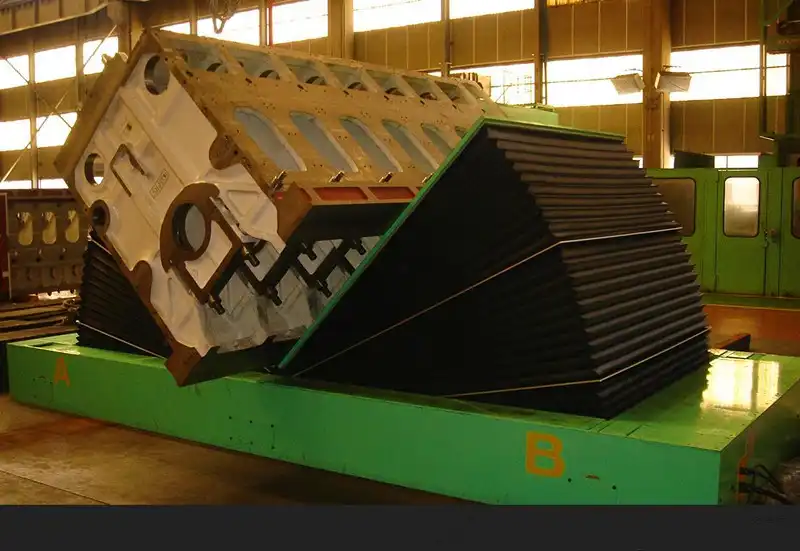
Dive Deeper: A Strategic Approach to Remote Monitoring Implementation
To effectively implement remote monitoring, it's crucial to understand the "why" behind the technology. A strategic approach involves not just selecting sensors and setting up dashboards, but also aligning the monitoring system with your business goals and operational needs. This can be achieved by breaking down the implementation into key components, each with its own set of considerations.
Identifying Critical Parameters
First, determine which parameters are most critical to the performance and longevity of your mold upender. These could include temperature, vibration, hydraulic pressure, motor current, and cycle time. The selection of these parameters should be driven by their potential impact on the machine's health and overall productivity.
Setting Performance Benchmarks
Once the critical parameters are identified, establish performance benchmarks for each. These benchmarks should be based on historical data, manufacturer specifications, and industry best practices. Setting realistic and achievable benchmarks is essential for identifying deviations and triggering alerts when the machine's performance falls outside acceptable limits.
Data Utilization and Decision-Making
The value of remote monitoring lies not just in data collection but in its effective utilization for decision-making. Define how the collected data will be used to optimize maintenance schedules, improve operational efficiency, and reduce downtime. This could involve using the data to predict potential failures, identify areas for improvement, and implement proactive maintenance strategies.
To better illustrate the importance of these components, consider the following table:
| Component | Description | Example | Benefit |
|---|---|---|---|
| Critical Parameter | Identifying parameters that directly impact machine health and performance. | Hydraulic pressure, motor current, vibration levels | Early detection of potential issues, preventing costly breakdowns. |
| Performance Benchmark | Setting acceptable ranges for each parameter based on historical data and manufacturer specifications. | Hydraulic pressure: 1500-2000 PSI, Motor current: 10-12 Amps | Enables proactive identification of deviations, ensuring timely intervention. |
| Data Utilization & Decision-Making | Establishing processes for analyzing data and making informed decisions. | Using data to optimize maintenance schedules, predict failures, and improve operational efficiency. | Maximizes machine uptime, reduces maintenance costs, and improves overall productivity. |
| Integration with Existing Systems | Ensuring seamless integration with existing CMMS and ERP systems. | Integrating with CMMS to automate work order generation based on real-time data. | Streamlines maintenance workflows, reduces manual data entry, and improves data accuracy. |
| Scalability | Designing the remote monitoring system to be scalable to accommodate future expansion and additional equipment. | Using modular hardware and software components that can be easily added or removed. | Ensures the remote monitoring system can adapt to changing business needs and support future growth. |
| Security | Implementing robust security measures to protect sensitive data from unauthorized access and cyber threats. | Using encryption, firewalls, and access controls to protect data. | Protects against data breaches, ensures data integrity, and maintains regulatory compliance. |
| User Training | Providing comprehensive training to operators and maintenance personnel on how to use the remote monitoring system and interpret the data. | Conducting hands-on training sessions and providing user manuals. | Empowers users to effectively utilize the remote monitoring system, leading to improved decision-making and better machine performance. |
| ROI Analysis | Conducting a thorough ROI analysis to evaluate the benefits of remote monitoring. | Calculating the savings from reduced downtime, improved maintenance efficiency, and extended machine life. | Justifies the investment in remote monitoring, demonstrates its value to stakeholders, and ensures its long-term sustainability. |
By focusing on these components, you can create a remote monitoring strategy that not only meets your immediate needs but also sets the stage for continuous improvement and long-term success. The goal is to transform data into actionable insights, leading to more efficient, reliable, and profitable mold upender operations.
Level 2: Selecting the Right Sensors and Hardware
The foundation of any remote monitoring system lies in the sensors and hardware used to collect data. Choosing the right components is crucial for accurate and reliable data collection.
Selecting the appropriate sensors and hardware for your mold upender involves considering factors such as the parameters to be monitored, the operating environment, the required accuracy, and the compatibility with the data acquisition system. This ensures that the collected data is reliable and relevant.

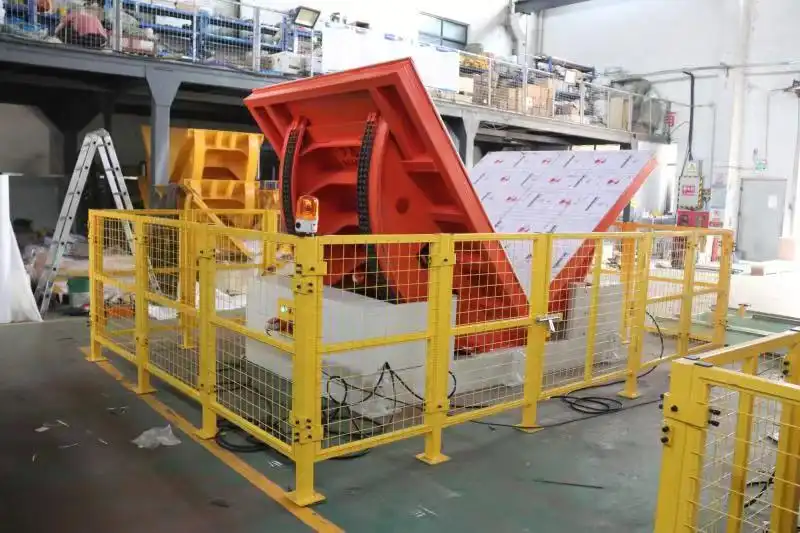
Dive Deeper: Hardware and Software Synergy
To optimize your mold upender's performance, the hardware and software components must work seamlessly together. Let's break down the key considerations for each:
Sensor Selection
The type of sensor you choose will depend on the specific parameter you want to monitor. For example, vibration sensors (accelerometers) can detect imbalances or bearing failures, while temperature sensors can identify overheating issues. Hydraulic pressure sensors are essential for monitoring the health of hydraulic systems. Consider the following:
- Accuracy: Ensure the sensor provides the required accuracy for your application.
- Range: Select a sensor with a suitable range to capture the expected variations in the parameter being monitored.
- Durability: Choose sensors that can withstand the operating environment, including temperature, humidity, and exposure to chemicals.
Data Acquisition System (DAQ)
The DAQ is the interface between the sensors and the software. It converts analog signals from the sensors into digital data that can be processed and analyzed. Key considerations include:
- Number of Channels: Ensure the DAQ has enough channels to accommodate all the sensors you plan to use.
- Sampling Rate: Choose a DAQ with a sampling rate high enough to capture the dynamics of the parameter being monitored.
- Connectivity: Select a DAQ with suitable connectivity options, such as Ethernet or Wi-Fi, to facilitate data transmission.
Communication Protocols
The communication protocol defines how the DAQ communicates with the software. Common protocols include Modbus, OPC UA, and MQTT. Choose a protocol that is compatible with your software and provides the required data security and reliability.
Software Platform
The software platform is where the data is processed, analyzed, and visualized. It should provide features such as real-time monitoring, historical data analysis, alarm management, and reporting.
To illustrate the importance of choosing the right combination of hardware and software, consider the following table:
| Component | Consideration | Example | Benefit |
|---|---|---|---|
| Vibration Sensor | Frequency range and sensitivity | Accelerometer with a range of 0-10 kHz and a sensitivity of 100 mV/g | Detects high-frequency vibrations indicative of bearing failures. |
| Temperature Sensor | Accuracy and response time | RTD with an accuracy of ±0.1°C and a response time of 5 seconds | Provides accurate temperature readings for early detection of overheating issues. |
| Hydraulic Pressure Sensor | Pressure range and media compatibility | Pressure transducer with a range of 0-5000 PSI and compatible with hydraulic fluid | Monitors hydraulic system health and detects leaks or pressure drops. |
| DAQ | Number of channels and sampling rate | DAQ with 16 channels and a sampling rate of 10 kHz per channel | Accommodates multiple sensors and captures the dynamics of the parameters being monitored. |
| Communication Protocol | Data security and reliability | OPC UA for secure and reliable data transmission | Ensures data integrity and protects against unauthorized access. |
| Software Platform | Real-time monitoring, historical data analysis, alarm management | Software platform with real-time dashboards, trend analysis tools, and customizable alarm thresholds | Provides a comprehensive view of machine performance, enables proactive maintenance, and reduces downtime. |
By carefully considering the interplay between hardware and software, you can create a remote monitoring system that provides valuable insights into your mold upender's performance, enabling you to optimize its operation and extend its lifespan.
Level 3: Setting Up the Remote Connection
Establishing a reliable and secure remote connection is essential for accessing real-time data and controlling your mold upender from anywhere.
Setting up a remote connection for your mold upender involves choosing a suitable network infrastructure, configuring security settings, and implementing a virtual private network (VPN) for secure data transmission. This ensures that you can access real-time data and control the machine from anywhere while maintaining data security.

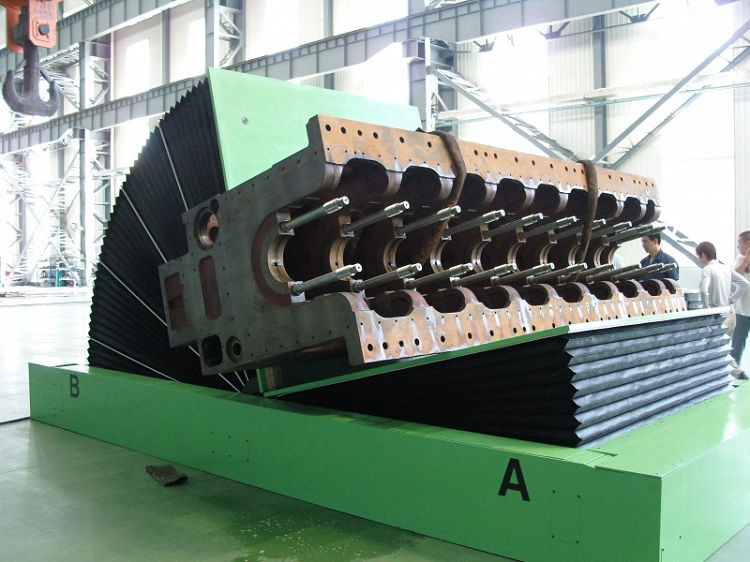
Dive Deeper: Seamless and Secure Remote Access
Consider the communication pathway from sensor to the remote user's device. Selecting a robust method and incorporating security is critical for efficient and secure remote access.
Here's a breakdown of the key considerations:
- Network Infrastructure: Choosing a network infrastructure depends on the location of your mold upender and the available connectivity options. Options include Ethernet, Wi-Fi, and cellular networks. Ethernet provides the most reliable and secure connection but requires physical cabling. Wi-Fi offers more flexibility but can be less reliable and secure. Cellular networks provide connectivity in remote locations but can be more expensive and have limited bandwidth.
- Security Settings: Securing your remote connection is crucial to prevent unauthorized access and protect sensitive data. Implement strong passwords, enable encryption, and use firewalls to protect your network.
- Virtual Private Network (VPN): A VPN creates a secure tunnel between your device and the network hosting the mold upender, encrypting all data transmitted between the two points. This prevents eavesdropping and ensures that only authorized users can access the data.
- Remote Access Software: Choose remote access software that provides secure and reliable access to your mold upender. Options include TeamViewer, AnyDesk, and RemotePC. Ensure that the software is compatible with your operating system and provides the required security features.
| Component | Consideration | Example | Benefit |
|---|---|---|---|
| Network Infrastructure | Reliability, security, and bandwidth | Ethernet for reliable and secure connection with high bandwidth | Ensures stable and secure data transmission. |
| Security Settings | Strong passwords, encryption, and firewalls | Enable WPA3 encryption on Wi-Fi network and implement a firewall to block unauthorized access | Protects against unauthorized access and data breaches. |
| VPN | Encryption and authentication | Use OpenVPN with AES-256 encryption and multi-factor authentication | Creates a secure tunnel for data transmission and verifies user identity. |
| Remote Access Software | Security, reliability, and ease of use | TeamViewer with end-to-end encryption and two-factor authentication | Provides secure and reliable remote access to the mold upender. |
By carefully considering these factors, you can set up a remote connection that provides secure and reliable access to your mold upender, enabling you to monitor its performance and control its operation from anywhere in the world.
Level 4: Visualizing and Analyzing the Data
Turning raw data into actionable insights requires a user-friendly dashboard and powerful analytical tools. This level focuses on effectively presenting the data collected for easy interpretation and decision-making.
Visualizing and analyzing the data from your mold upender involves creating a user-friendly dashboard, implementing real-time monitoring, and using analytical tools to identify trends and anomalies. This enables you to make informed decisions and optimize machine performance.

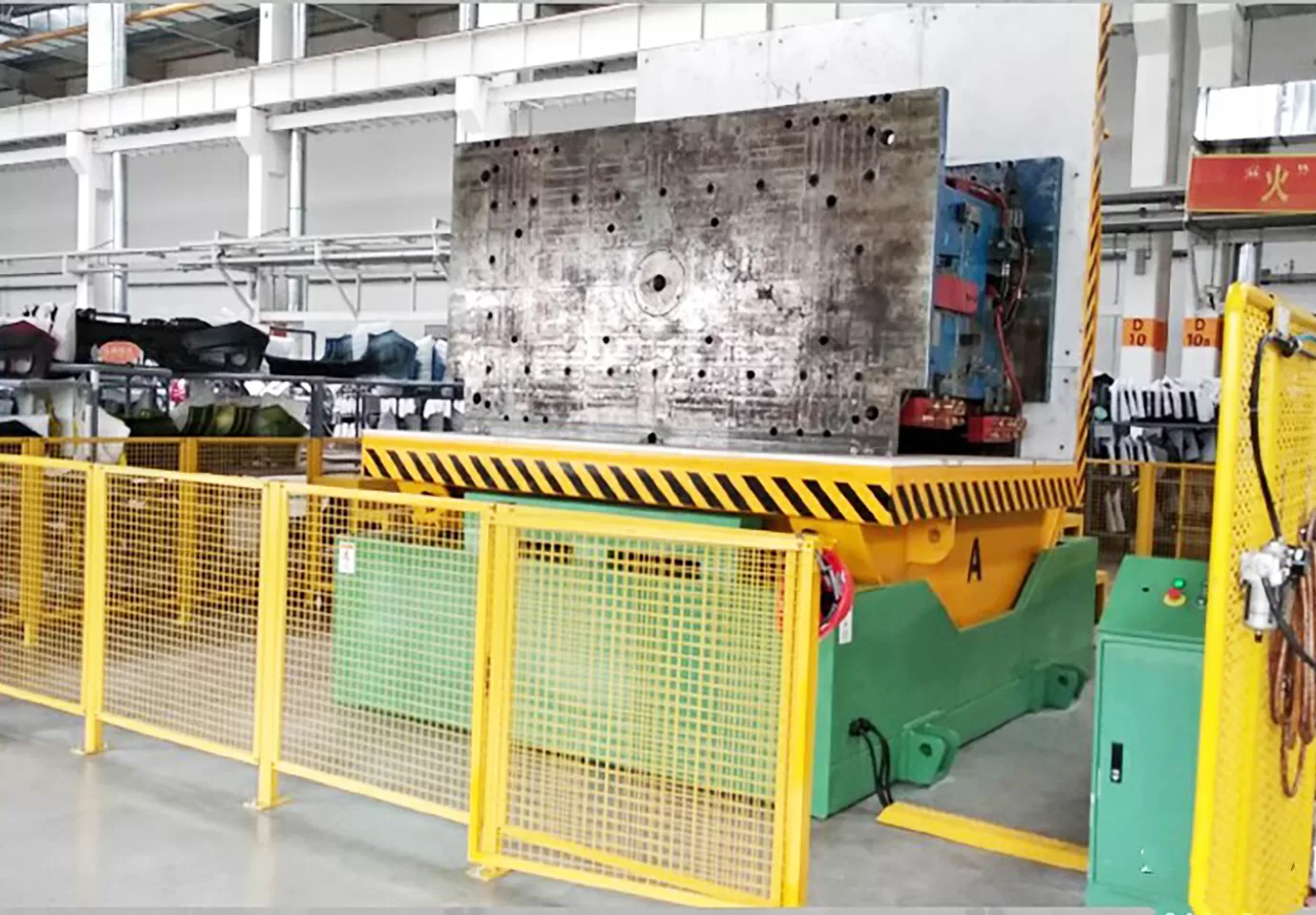
Dive Deeper: Data-Driven Decisions
To truly leverage the power of remote monitoring, you need to transform the raw data into actionable insights. This involves setting up a user-friendly dashboard that provides a clear and concise view of the machine's performance, implementing real-time monitoring to detect anomalies and potential issues, and using analytical tools to identify trends and patterns.
Here’s a technical breakdown of the considerations:
Data Visualization
- Dashboard Design: Design a dashboard that is intuitive and easy to use. Use charts, graphs, and gauges to visualize the data and make it easy to identify trends and anomalies.
- Key Performance Indicators (KPIs): Focus on the KPIs that are most relevant to your operations. These could include cycle time, temperature, vibration, and hydraulic pressure.
- Real-Time Monitoring: Implement real-time monitoring to track the machine's performance in real-time. This allows you to detect anomalies and potential issues as they occur.
- Historical Data Analysis: Use historical data to identify trends and patterns. This can help you predict potential failures and optimize maintenance schedules.
Analytical Tools
- Statistical Analysis: Use statistical analysis tools to identify correlations between different parameters and predict potential failures.
- Machine Learning: Implement machine learning algorithms to detect anomalies and predict potential failures.
- Alarm Management: Set up alarm thresholds to trigger alerts when the machine's performance falls outside acceptable limits.
| Component | Consideration | Example | Benefit |
|---|---|---|---|
| Dashboard Design | Intuitive and easy to use | Use clear labels, charts, and graphs to visualize the data | Makes it easy for operators and maintenance personnel to understand the machine's performance. |
| Key Performance Indicators | Relevant to operations | Cycle time, temperature, vibration, and hydraulic pressure | Focuses attention on the parameters that are most critical to machine performance. |
| Real-Time Monitoring | Detect anomalies and potential issues as they occur | Set up real-time dashboards to track the machine's performance and trigger alerts when anomalies are detected | Enables proactive maintenance and prevents costly breakdowns. |
| Historical Data Analysis | Identify trends and patterns | Use historical data to identify correlations between different parameters and predict potential failures | Optimizes maintenance schedules and reduces downtime. |
| Analytical Tools | Statistical analysis and machine learning | Use statistical analysis tools to identify correlations between different parameters and machine learning algorithms to predict potential failures | Provides a deeper understanding of the machine's performance and enables predictive maintenance. |
| Alarm Management | Set up alarm thresholds to trigger alerts when the machine's performance falls outside acceptable limits | Set up alarm thresholds for temperature, vibration, and hydraulic pressure | Enables proactive maintenance and prevents costly breakdowns. |
By effectively visualizing and analyzing the data, you can gain valuable insights into your mold upender's performance, enabling you to optimize its operation, reduce downtime, and extend its lifespan.
Level 5: Implementing Operational Control
Beyond monitoring, remote control capabilities offer the ability to adjust settings and manage operations remotely, providing unparalleled flexibility and responsiveness.

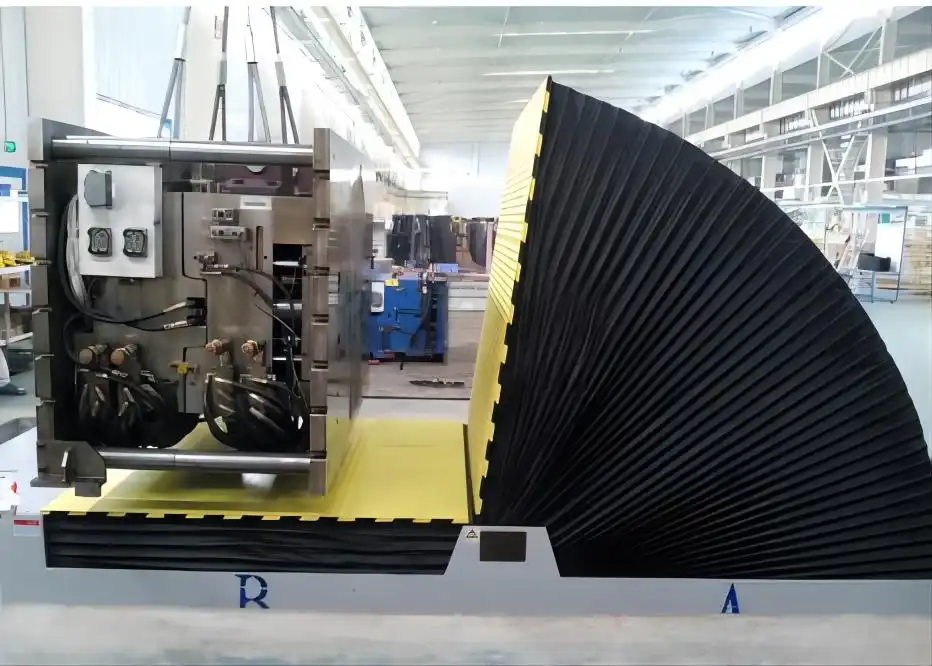
Implementing operational control for your mold upender involves setting up remote access to the machine's control system, configuring security settings to prevent unauthorized access, and implementing safety measures to prevent accidents. This enables you to adjust settings and manage operations remotely, providing unparalleled flexibility and responsiveness.
To successfully implement operational control for your mold upender, consider the following steps:
- Establish a Secure Connection: Ensure that the remote connection is secure and encrypted to prevent unauthorized access.
- Implement Access Controls: Restrict access to the control system to authorized personnel only.
- Implement Safety Measures: Implement safety measures to prevent accidents, such as emergency stop buttons and interlocks.
- Test the System: Thoroughly test the system to ensure that it is working properly and that all safety measures are in place.
By implementing these steps, you can successfully implement operational control for your mold upender and enjoy the benefits of remote management.
Remote monitoring transforms mold upender management, boosting efficiency and reducing downtime. You can now optimize your mold upender's performance from anywhere.
Remote monitoring solutions provide powerful ways to monitor your facilities or factory from remote locations.
Conclusion
Setting up remote monitoring for your mold upender is a strategic investment that pays dividends in terms of increased efficiency, reduced downtime, and improved operational control. By following the steps outlined in this guide, you can transform your mold upender operations and gain a competitive edge in the market. Embracing innovative solutions such as [Remote monitoring]() is no longer optional; it’s essential for modern manufacturing success.