

Quality Assurance Systems in Steel Coil Packaging
Are you in the steel industry and tired of dealing with costly defects and customer dissatisfaction due to poor packaging? Imagine a world where every steel coil arrives in perfect condition, ready for processing. This isn't just a dream; it's achievable through robust Quality Assurance Systems in steel coil packaging.
Quality assurance systems in steel coil packaging are the protocols and procedures implemented to ensure steel coils are protected from damage during handling, storage, and transportation. These systems encompass inspection, testing, and documentation at every stage of the packaging process, safeguarding the quality and integrity of the steel from mill to customer.
Let's delve into the critical components of these systems and explore how they guarantee defect-free delivery and enhance customer trust.
The Vital Role of Quality Assurance in Steel Coil Packaging
In the demanding steel industry, the journey of a steel coil from production to the end-user is fraught with potential hazards. Without stringent quality assurance, coils can suffer from various damages, leading to production delays and financial losses.
Why is quality assurance paramount in steel coil packaging? Effective quality assurance in steel coil packaging minimizes damage during transit, prevents corrosion from environmental exposure, and ensures coils maintain their integrity until they reach the customer. This proactive approach reduces rejection rates, fosters customer satisfaction, and ultimately boosts operational efficiency by ensuring materials arrive in optimal condition for immediate use.
%[steel coil packaging quality assurance]

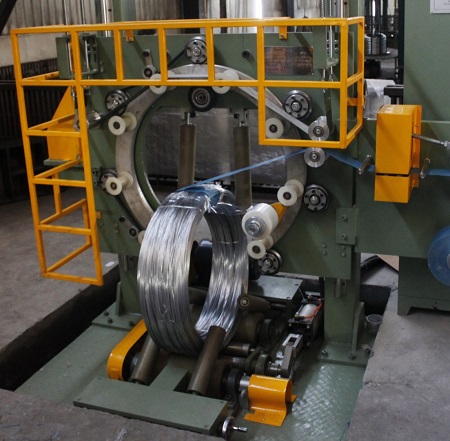
To fully grasp the importance of quality assurance, consider the multifaceted benefits it brings to steel coil packaging:
Benefits of Robust Quality Assurance in Steel Coil Packaging
| Benefit | Description | Impact on Business |
|---|---|---|
| Damage Reduction | Minimizes physical damage (dents, scratches, edge damage) during handling and transport. | Lower material waste, reduced rework, fewer customer returns. |
| Corrosion Prevention | Protects against rust and other forms of corrosion caused by moisture and environmental exposure. | Extended shelf life, maintained material quality, enhanced customer satisfaction. |
| Inventory Management | Proper labeling and tracking systems ensure accurate inventory and reduce errors in order fulfillment. | Improved logistics, efficient stock control, timely delivery. |
| Customer Satisfaction | Consistent delivery of undamaged, high-quality coils builds trust and strengthens customer relationships. | Increased customer loyalty, positive brand reputation, repeat business. |
| Cost Efficiency | Prevents losses associated with damaged goods, rework, and customer claims, optimizing resource utilization. | Reduced operational costs, improved profitability, competitive pricing. |
| Compliance & Standards | Ensures adherence to industry standards and regulations for packaging and material handling. | Avoidance of penalties, legal compliance, industry recognition. |
| Enhanced Brand Reputation | Demonstrates commitment to quality and reliability, enhancing the company's image in the marketplace. | Stronger market position, increased sales opportunities, premium pricing potential. |
| Operational Efficiency | Streamlined processes and reduced defects contribute to smoother production workflows and faster turnaround times. | Optimized production cycle, increased throughput, improved resource allocation. |
By meticulously implementing quality assurance at each packaging stage, businesses can transform potential challenges into significant advantages, securing their position in the competitive steel market.
Key Stages of Quality Assurance in Steel Coil Packaging
Quality assurance in steel coil packaging is not a single event, but a continuous process integrated into every stage, from initial material assessment to final dispatch. A comprehensive approach involves multiple checkpoints to identify and rectify potential issues before they escalate.
What are the critical stages of quality assurance in steel coil packaging? The core stages include raw material inspection, in-process quality control during packaging, pre-shipment inspection of finished packages, and ongoing monitoring of packaging material quality. Each stage plays a vital role in ensuring the final product meets the required quality standards and customer expectations.
%[steel coil packaging stages]

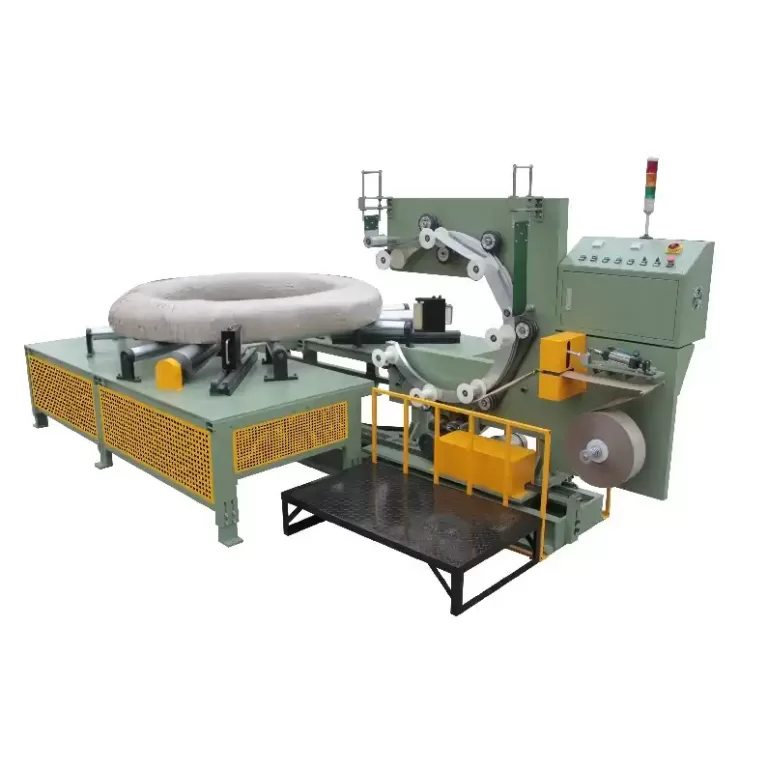
To understand these stages in detail, let's break down each component:
Deep Dive into Quality Assurance Stages
1. Raw Material Inspection: The Foundation of Quality
This initial stage is crucial. It starts even before the packaging process begins, focusing on the incoming packaging materials themselves.
- Incoming Material Verification: Inspecting materials like wrapping paper, steel straps, wooden pallets, and edge protectors for defects, ensuring they meet strength and quality specifications.
- Supplier Certification Review: Checking supplier certifications to confirm materials comply with industry standards (e.g., tensile strength of straps, water resistance of wrapping).
- Batch Testing: Conducting random tests on incoming material batches to verify properties like thickness, tear resistance, and environmental suitability.
2. In-Process Quality Control: Monitoring During Packaging
This stage involves continuous monitoring as the steel coil is being packaged.
- Packaging Procedure Adherence: Ensuring operators follow standardized packaging procedures, including correct wrapping layers, strapping patterns, and tension levels.
- Visual Checks During Packaging: Regular visual inspections during wrapping and strapping to identify errors like loose wraps, misaligned straps, or inadequate edge protection.
- Equipment Calibration: Maintaining and calibrating packaging equipment (wrapping machines, strapping tools) to ensure consistent and accurate application of packaging materials.
- Environmental Monitoring: Controlling environmental conditions (humidity, temperature) in the packaging area to prevent moisture entrapment and corrosion initiation.
3. Pre-Shipment Inspection: Final Verification
This is the last line of defense before the packaged coil leaves the facility.
- Complete Package Inspection: A thorough inspection of the fully packaged coil for overall integrity, strap tightness, wrapping security, and proper labeling.
- Dimensional Checks: Verifying package dimensions and weight against specifications to ensure they meet transport and handling requirements.
- Documentation Review: Confirming all necessary documentation (packaging checklists, inspection reports) are complete and accurate.
- Simulated Transit Testing: In some cases, simulated transit tests (vibration, impact tests) may be performed to assess package robustness under transport conditions.
4. Ongoing Monitoring of Packaging Material Quality: Continuous Improvement
Quality assurance is not static. Continuous monitoring ensures sustained quality over time.
- Regular Material Audits: Periodic audits of packaging material stock to check for degradation, expiration, or damage during storage.
- Performance Feedback Loop: Collecting feedback from customers and transport providers regarding packaging performance and using it to refine procedures and material choices.
- Trend Analysis: Analyzing quality control data over time to identify recurring issues, trends, and areas for process improvement.
- Training and Skill Development: Regular training for packaging personnel on best practices, quality standards, and new packaging techniques.
By implementing these comprehensive stages, steel coil manufacturers can establish a robust quality assurance system that minimizes risks, enhances product integrity, and ensures customer satisfaction.
Essential Quality Control Tests for Steel Coils Packaging
To ensure the effectiveness of quality assurance systems, specific tests are performed at various stages. These tests range from simple visual checks to sophisticated laboratory analyses, providing quantifiable data on packaging quality and material integrity.
What are the essential quality control tests for steel coil packaging? These tests broadly fall into categories like visual inspections, non-destructive tests (NDT), and destructive tests, each designed to evaluate different aspects of packaging and material quality. Common tests include visual checks for damage, strap tension tests, wrapping integrity assessments, and environmental exposure simulations.
%[steel coil packaging tests]

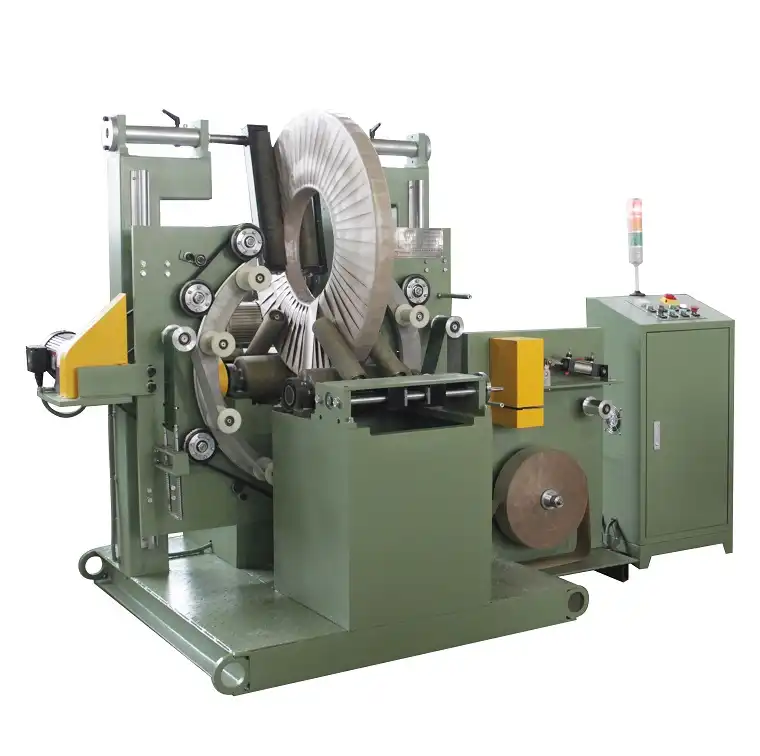
Let's examine some key tests in detail:
Diving Deeper into Quality Control Tests
1. Visual Inspection: The First Line of Defense
Visual inspection is a fundamental and readily applicable quality control method.
- Purpose: To identify immediately visible defects in packaging and steel coil surface condition.
- Procedure: Trained inspectors visually examine packaged coils for:
- Tears or punctures in wrapping materials
- Loose or misaligned straps
- Inadequate edge protection
- Surface rust or stains on the steel coil
- Damage to pallets or skids
- Proper labeling and identification
- Advantages: Simple, cost-effective, quick detection of obvious flaws.
- Limitations: Subjective, may not detect internal or less visible defects.
2. Strap Tension Test: Ensuring Package Security
Steel straps are critical for holding the coil package together. Correct tension is vital.
- Purpose: To measure the tension force in steel straps to ensure they are within specified limits.
- Procedure: A calibrated strap tension meter is used to measure the tension in straps at various points around the package. Readings are compared against pre-set standards.
- Acceptance Criteria: Tension values must fall within a defined range to guarantee package stability without causing damage to the coil edges.
- Frequency: Typically performed on a sampling basis during packaging and as a final check.
3. Wrapping Integrity Test: Protecting Against Environment
The wrapping material's integrity is crucial to protect steel from moisture and contaminants.
- Purpose: To assess the effectiveness of the wrapping in preventing moisture ingress and maintaining barrier properties.
- Methods:
- Water Penetration Test: Simulating rainfall or water exposure to check for leakage through wrapping seams or tears.
- Puncture Resistance Test: Measuring the force required to puncture the wrapping material, indicating its durability.
- Seal Strength Test: Evaluating the strength of heat seals or overlaps in the wrapping to ensure they are airtight and watertight.
- Acceptance Criteria: Wrapping should withstand specified levels of water exposure and puncture forces without compromising coil protection.
4. Environmental Exposure Simulation: Predicting Long-Term Performance
To anticipate how packaging will perform under various environmental conditions, simulation tests are used.
- Purpose: To evaluate the packaging's ability to protect steel coils against corrosion and degradation under simulated storage and transport environments.
- Types of Tests:
- Humidity Chamber Test: Exposing packaged coils to high humidity levels for extended periods to accelerate corrosion testing.
- Salt Spray Test: Simulating marine environments by exposing packages to salt spray to assess corrosion resistance.
- Temperature Cycling Test: Subjecting packages to temperature fluctuations to evaluate the wrapping material's resilience to expansion and contraction.
- Evaluation: Packages are inspected for signs of corrosion, wrapping degradation, and strap failure after exposure.
By employing these tests, manufacturers can rigorously assess and maintain the quality of steel coil packaging, ensuring reliable protection and minimizing the risk of damage throughout the supply chain. The data obtained from these tests informs process improvements and material selection, driving continuous enhancement of quality assurance systems.
Technology and Tools Enhancing Quality Assurance
Modern quality assurance in steel coil packaging leverages technology to streamline processes, enhance accuracy, and provide real-time monitoring. From sophisticated inspection equipment to integrated data management systems, technology is transforming how quality is controlled and maintained.
What technologies and tools are crucial for modern steel coil packaging quality assurance? Essential tools include precision measurement instruments, automated inspection systems, ERP systems for tracking and documentation, and specialized software for data analysis and reporting. These technologies minimize human error, improve efficiency, and provide comprehensive quality oversight.
%[steel coil packaging technology]

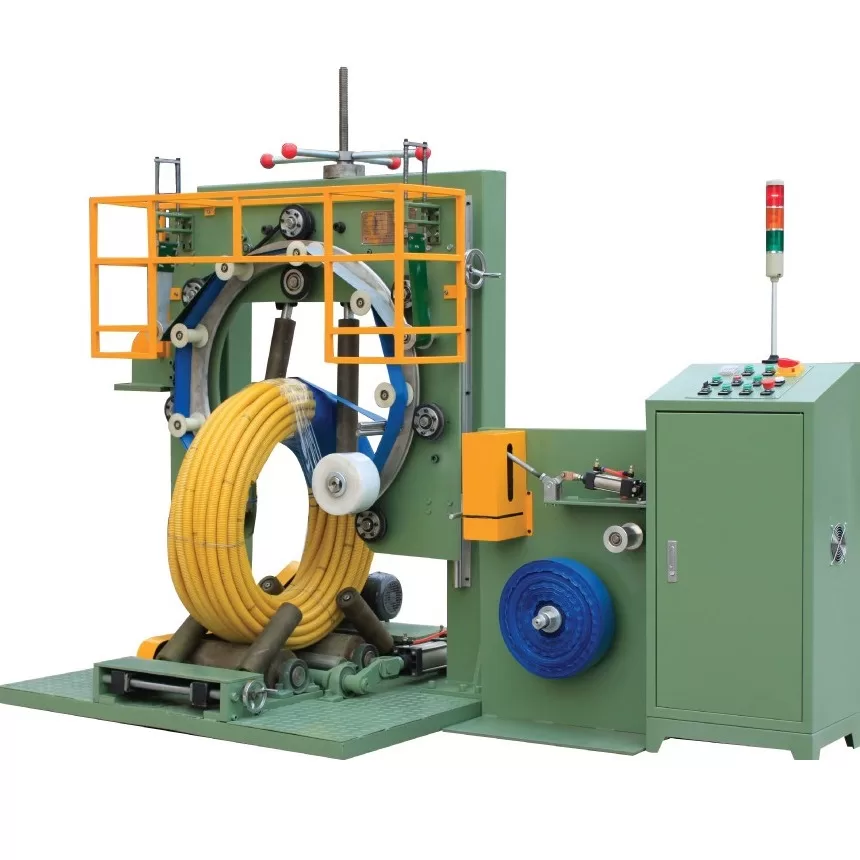
Let's explore key technological components:
The Technological Arsenal of Quality Assurance
1. Precision Measurement Instruments: Ensuring Accuracy
Accurate measurements are fundamental to quality control.
- Electronic Vernier Calipers and Micrometers: Provide precise measurements of coil dimensions (thickness, width, diameter) and packaging material thickness. Digital readouts minimize reading errors.
- Precision Thickness Gauges: Specifically designed for measuring the thickness of steel sheets and wrapping materials with high accuracy.
- Load Cells and Tension Meters: Integrated into strapping equipment to ensure precise and consistent strap tension application. Digital displays and automated adjustments enhance accuracy.
- Laser Measurement Systems: Used for non-contact measurement of coil dimensions, particularly useful for large or moving coils, providing rapid and accurate data.
2. Automated Inspection Systems: Enhancing Efficiency
Automated systems reduce manual inspection workload and improve consistency.
- Vision Inspection Systems: Cameras and image processing software automatically detect surface defects, wrapping flaws, and strap alignment issues. Real-time alerts for deviations.
- Dimensional Scanning Systems: Laser scanners or 3D cameras automatically measure coil and package dimensions, ensuring compliance with specifications. Data is digitally recorded and analyzed.
- Weight Verification Systems: Automated weighing scales integrated into packaging lines to verify coil weight and package weight accuracy. Data linked to ERP for inventory management.
- Barcode and RFID Scanners: For automated identification and tracking of coils and packages throughout the packaging and shipping process. Improves traceability and reduces manual data entry errors.
3. ERP and Data Management Systems: Centralizing Quality Data
Enterprise Resource Planning (ERP) systems are crucial for managing and analyzing quality data.
- Centralized Data Repository: ERP systems integrate quality data from all stages – inspections, tests, measurements – into a central database. Provides a single source of truth for quality information.
- Real-time Tracking and Traceability: Enables real-time tracking of each coil and package through the packaging process. Full traceability from raw material to finished product.
- Reporting and Analytics: Generate automated quality reports, trend analysis, and performance metrics. Identify areas for improvement and track the effectiveness of quality initiatives.
- Integration with Manufacturing Systems: Connects quality data with production schedules, inventory levels, and customer orders. Streamlines workflows and improves overall operational efficiency.
4. Specialized Software for Quality Analysis: Deep Insights
Dedicated software tools enhance data analysis and quality management.
- Statistical Process Control (SPC) Software: Analyzes process data in real-time to monitor process stability and identify deviations from control limits. Enables proactive process adjustments.
- Quality Management System (QMS) Software: Manages all aspects of quality assurance, including documentation, audits, corrective actions, and compliance. Ensures adherence to quality standards like ISO 9001.
- Predictive Analytics Tools: Uses historical quality data to predict potential issues and optimize packaging processes. Helps in proactive risk management and process optimization.
- Digital Checklists and Mobile Apps: Replaces paper-based checklists with digital versions for inspections and audits. Improves data accuracy, accessibility, and real-time reporting.
By embracing these technologies, steel coil packaging operations can significantly enhance their quality assurance capabilities, leading to improved product quality, reduced costs, and greater customer satisfaction. The integration of these tools into a comprehensive quality management system is key to achieving operational excellence in the steel industry.
Conclusion
In conclusion, robust Quality Assurance Systems are not merely an option, but a necessity in steel coil packaging. By implementing comprehensive systems that encompass rigorous testing, meticulous inspection, and advanced technology, steel manufacturers can guarantee the delivery of defect-free coils. This commitment to quality not only minimizes losses and enhances operational efficiency but also builds unwavering customer trust and strengthens brand reputation in a competitive market. Embracing quality assurance is the cornerstone of success, ensuring every steel coil arrives ready to meet and exceed expectations, ultimately reinforcing the strength of the steel supply chain and promoting [wire packing automation] within the industry.