


In cold storage facilities, where maintaining hygiene and maximizing efficiency are paramount, pallet inverters offer a transformative solution. These machines enhance product integrity by facilitating sanitary pallet transfers, speed up operations by minimizing manual handling in sub-zero conditions, reduce labor costs, and significantly improve overall workplace safety. Operating in sub-zero temperatures presents unique challenges that demand specialized equipment and optimized processes to ensure both product quality and operational profitability.
The inherent demands of cold storage – maintaining strict temperature control, preventing contamination, and moving goods quickly despite the harsh environment – make traditional manual handling methods inefficient, risky, and often non-compliant with stringent industry regulations. Pallet inverters have emerged as essential tools in this specialized sector, directly addressing these challenges by automating key aspects of material handling.
The Unique Demands of Cold Storage Environments

Cold storage warehouses are designed to preserve perishable goods such as food, pharmaceuticals, and chemicals by maintaining precise, low temperatures, ranging from refrigerated (0°C to 10°C) to fully frozen (-30°C to 0°C). This environment, while crucial for product preservation, creates significant operational hurdles. Workers face challenging conditions, requiring frequent breaks and specialized gear, which impacts labor availability and efficiency. Equipment must be robust, designed to withstand extreme cold without performance degradation.
Furthermore, hygiene is non-negotiable, especially in food and pharmaceutical cold chains. Traditional wooden pallets can harbor contaminants, making it necessary to transfer goods to clean, often plastic, pallets before storage or shipment. Manual pallet swapping is not only slow and labor-intensive but also increases the risk of product contamination and worker injury in the cold environment. Efficient product flow, inventory accuracy, and regulatory compliance (like the Food Safety Modern Act) are also critical challenges that must be managed effectively in these high-cost, energy-intensive facilities.
Pallet Inverters: A Strategic Solution for Cold Storage

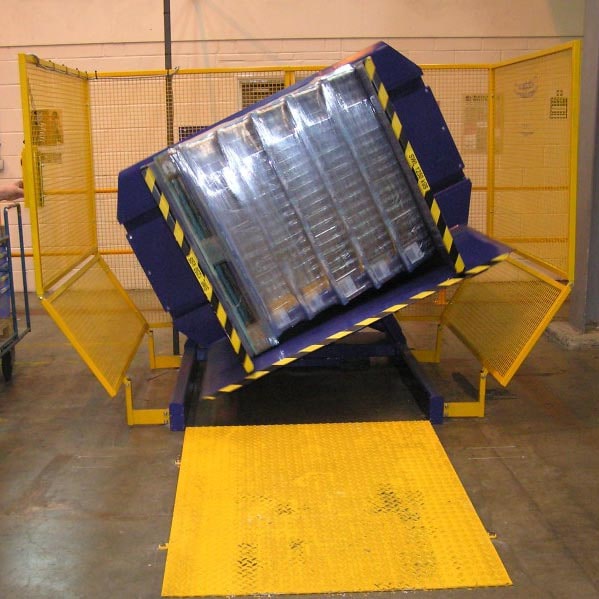
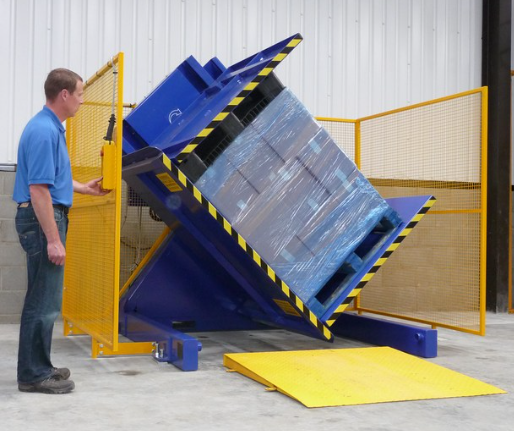
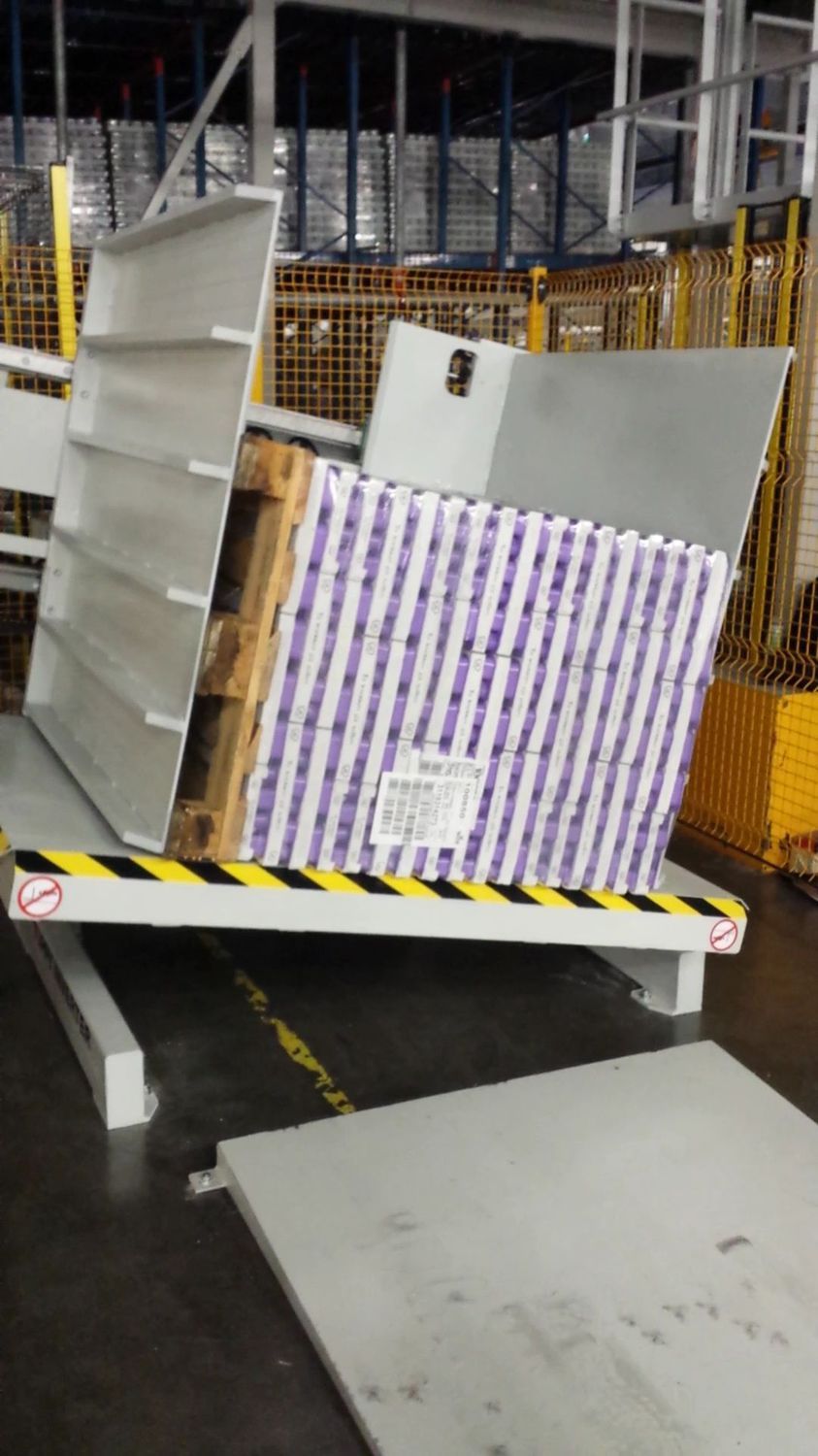
A pallet inverter is a piece of material handling equipment designed to rotate, flip, or transfer palletized loads quickly and safely. At its core, the machine securely clamps the load – whether boxes, cartons, drums, or other containers – and then rotates it, typically 180 degrees, or tilts it to a specific angle. This action allows for the easy removal, replacement, or adjustment of the pallet or even individual items within the load without the need for manual restacking.
In cold storage, pallet inverters serve multiple critical functions that directly contribute to overcoming the environment's challenges. They are not just general warehouse tools but specialized equipment adapted for low-temperature use, often featuring durable components and finishes resistant to extreme cold and moisture.
Enhancing Hygiene Through Automated Pallet Transfer

One of the most compelling benefits of pallet inverters in cold storage, particularly for food and pharmaceutical products, is their ability to enhance hygiene. The material highlights the necessity of transferring goods from wooden transport pallets to clean, hygienic pallets, often made of plastic, before entering sensitive areas like freezers or cleanrooms.
Wooden pallets are susceptible to moisture absorption, which in cold environments can lead to ice formation, mold growth, and deterioration. They can also harbor pests and bacteria. Plastic pallets, on the other hand, are non-porous, easy to clean, and resistant to temperature extremes and moisture, making them ideal for sterile or temperature-controlled environments.
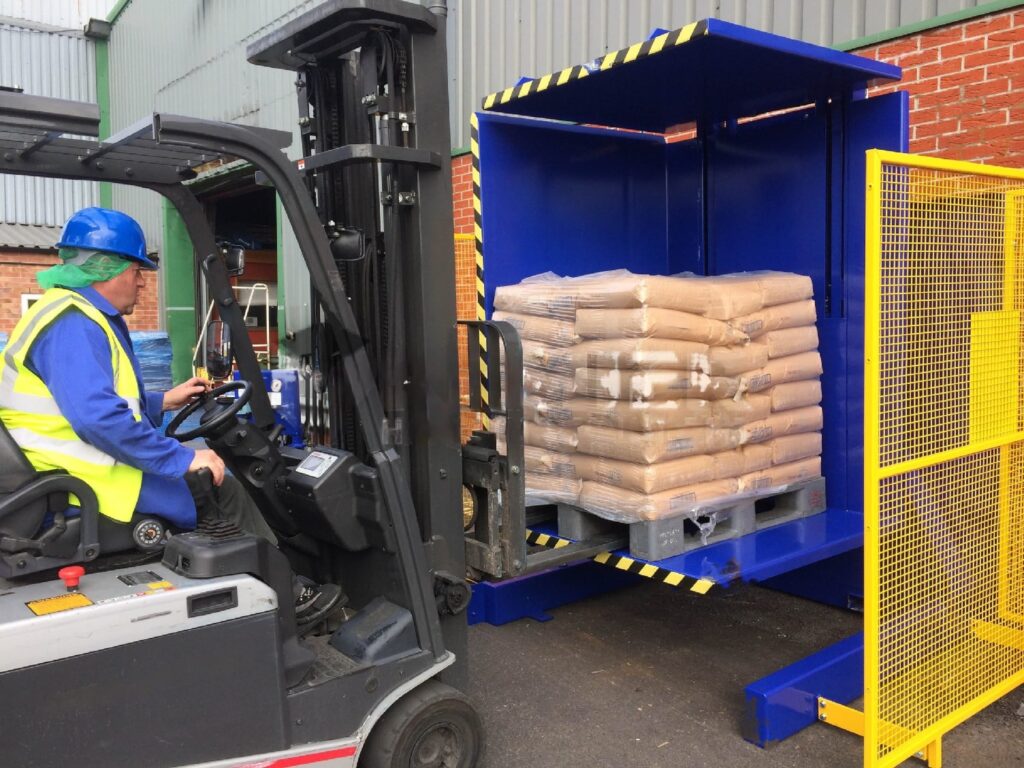
A pallet inverter automates this critical pallet transfer process. By securely clamping the load and rotating it, the machine allows operators to remove the original wooden pallet and replace it with a hygienic plastic one without any direct manual handling of the product itself. This drastically reduces the risk of contamination compared to manual restacking, ensuring compliance with stringent food safety standards and GMP (Good Manufacturing Practices) regulations essential for the cold chain. The ability to perform this swap quickly minimizes the time the product spends outside the controlled temperature zone, further preserving its integrity.
Boosting Efficiency in Sub-Zero Operations


Efficiency is key in cold storage due to high operational costs (energy, labor) and the need for rapid inventory turnover. Pallet inverters significantly streamline various processes that are slow and difficult to perform manually in the cold.
-
Quick Pallet Exchange: Manually transferring a heavy load from one pallet to another is a time-consuming and physically demanding task, especially while wearing cumbersome cold-weather gear. A pallet inverter can complete this process in mere seconds or minutes, dramatically reducing labor time and optimizing workflow. The material notes cycle times around 45 seconds for some models and suggests tasks like spacer removal can be up to 90% faster than manual methods.
-
Handling Damaged Loads: If a pallet is damaged upon arrival or during internal handling, manually restacking the entire load in a cold environment is inefficient and increases the risk of product damage or worker injury. A pallet inverter allows quick and safe replacement of the damaged pallet without disturbing the load, preventing potential losses and saving significant time.
-
Freezer Spacer Management: Cold storage of frozen goods often involves using freezer spacers – plastic or metal grids placed between product layers to allow cold air circulation and faster freezing. Once frozen, these spacers need to be removed. Inline pallet inverters are specifically designed for this task in automated systems. They can quickly insert or remove freezer spacers from palletized loads, a unique and valuable capability highlighted in the material. This automation speeds up the freezing and retrieval process, enhances operational efficiency, and reduces the need for workers to manually handle frozen layers in the freezer.
-
Inventory and Order Management: Pallet inverters simplify the handling of mixed pallets or the need to access specific items within a stacked load. By rotating or tilting the load, they provide easy access for adjustments, inspections, or order picking without complete manual breakdown and restacking.
Beyond Hygiene and Efficiency: Safety and Cost Savings
While hygiene and efficiency are paramount, pallet inverters in cold storage also deliver significant benefits in safety and cost reduction.
Enhanced Safety: Manual handling of heavy or unstable palletized loads is inherently risky, leading to strains, sprains, and more severe injuries. This risk is compounded in cold environments where cold temperatures can affect dexterity, grip strength, and the risk of slips or falls. Pallet inverters drastically reduce the need for manual lifting, twisting, and bending associated with pallet swaps or load adjustments. By securely clamping and mechanically rotating the load, they eliminate the most dangerous aspects of these tasks, creating a safer workplace and reducing the likelihood of costly workplace injuries. The material emphasizes that inverters eliminate work that commonly causes injuries, particularly to the arms, legs, back, and shoulders from repetitive motions or heavy lifts.
Improved Ergonomics: By presenting the load at an accessible angle or allowing for pallet manipulation without heavy lifting, inverters improve ergonomics. This reduces physical strain and fatigue on workers, leading to better morale and reduced long-term musculoskeletal issues, which are especially relevant for tasks performed in challenging temperatures.
Cost Savings: The combination of increased efficiency, reduced labor requirements, minimized product damage, and fewer workplace injuries translates directly into significant cost savings. Faster processing means higher throughput. Reduced manual handling means lower labor costs for specific tasks. Less product damage reduces waste and associated financial losses. A safer workplace means lower insurance premiums, reduced workers' compensation claims, and less lost time due to injury. The material points out that while the initial investment exists, the long-term savings in labor, damage, and efficiency offer a strong return on investment.
Types and Considerations for Cold Storage Application
Pallet inverters are available in various configurations, including stationary (fixed location) and portable models, as well as automated and manual options. For cold storage, selecting the right model is crucial.
- Cold-Rated Equipment: It's vital to confirm that the chosen inverter model is specifically designed or rated for cold storage or freezer environments. This ensures components, lubricants, and finishes can withstand low temperatures and potential condensation without malfunctioning or corroding. The material confirms that specific cold-storage designs exist, featuring special coatings and durable components.
- Inline Automation: For high-volume cold storage facilities, inline pallet inverters integrated into conveyor systems are particularly effective for seamless pallet swaps and automated freezer spacer handling, maximizing throughput and minimizing human presence in the coldest zones.
- Load Specifications: Considerations include the maximum load weight and dimensions, as well as the types of pallets or containers used (Euro pallets, standard wood, plastic, drums, etc.). Inverters offer adjustable jaw openings and capacities to accommodate various loads.
- Space and Workflow: The physical layout of the cold storage facility and the desired workflow will dictate whether a stationary unit in a dedicated area or a portable unit for flexibility is more suitable.
Choosing the right pallet inverter requires assessing operational needs, frequency of use, available space, and budget, keeping in mind the unique demands of the cold storage environment. Consulting with manufacturers experienced in cold chain solutions is advisable to ensure the equipment meets specific requirements and safety standards, including compliance with directives like the European Machinery Directive.
Conclusion
Pallet inverters are indispensable tools in the modern cold storage landscape. They offer a powerful combination of benefits that directly address the sector's core challenges of hygiene, efficiency, safety, and cost-effectiveness. By automating critical tasks like pallet transfer and freezer spacer management, they enable cold storage facilities to maintain stringent hygiene standards without compromising speed or safety.
Implementing pallet inverters streamlines operations, reduces reliance on arduous and risky manual labor in sub-zero temperatures, minimizes costly product damage, and ensures compliance with essential regulations. As the global demand for chilled and frozen goods continues to rise, driven by evolving consumer preferences and supply chain complexities, optimizing cold storage operations becomes increasingly critical. Investing in automated solutions like pallet inverters is not just an equipment purchase; it's a strategic decision to enhance productivity, ensure product integrity, improve worker safety, and ultimately strengthen the profitability and competitiveness of cold chain logistics.