

Handling large, heavy industrial molds presents significant safety risks and operational inefficiencies. Accidents during mold rotation or maintenance can lead to costly equipment damage and serious personnel injuries, impacting productivity and bottom lines. Understanding the trajectory of the Mold Upender market is crucial for manufacturers seeking safer, more efficient solutions.

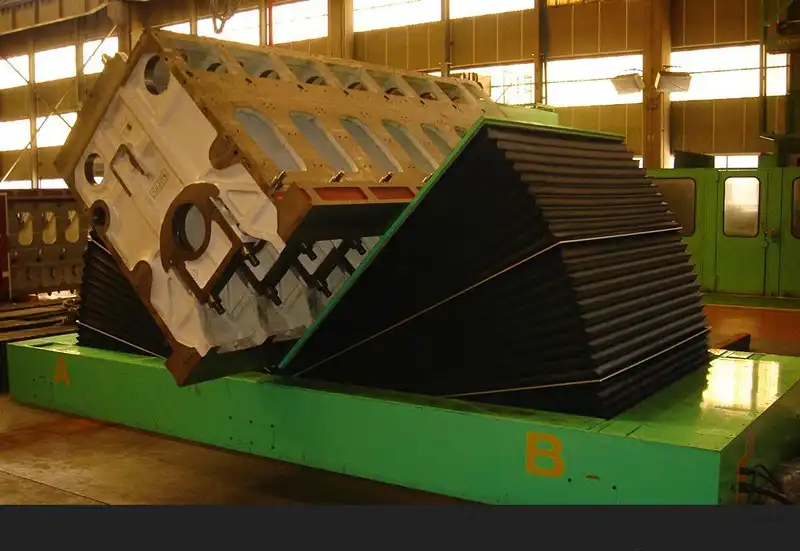
The global mold upender market is projected to experience robust growth between 2023 and 2030, driven primarily by the expansion of key manufacturing sectors like automotive and plastics, increasing demand for operational efficiency, and heightened emphasis on workplace safety regulations. Technological advancements in automation and handling equipment further fuel this positive outlook, mirroring trends seen in the broader industrial mold industry, which anticipates significant expansion.
This article delves into the specific trends, forecasts, and insights shaping the mold upender landscape. We will explore the market drivers, segmentation, technological innovations, and regional dynamics influencing demand, providing a comprehensive analysis for stakeholders navigating this evolving market through 2030. Stay tuned as we unpack the forces accelerating growth and the opportunities awaiting within the mold upender sector.
Market Drivers and Growth Dynamics
The momentum behind the mold upender market stems from fundamental shifts in manufacturing priorities and technological capabilities. As industries push for greater productivity and safety, specialized handling equipment like mold upenders becomes increasingly indispensable, driving market expansion and innovation across various sectors globally.
Key drivers propelling the mold upender market include the relentless push for automation in manufacturing, stringent workplace safety standards mandating safer handling practices, the growing size and complexity of industrial molds, and the expansion of end-use industries, particularly automotive and large-scale plastic injection molding. Furthermore, the need for efficient mold maintenance and repair cycles, coupled with advancements in upender technology such as integrated controls and enhanced load capacities, significantly contributes to market growth, aligning with the overall positive forecast for industrial machinery.

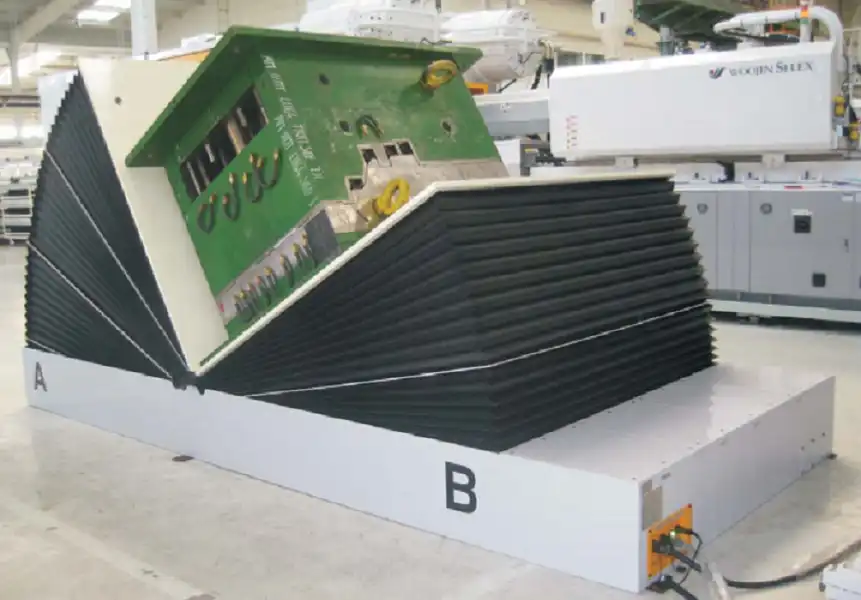
Deep Dive into Key Market Accelerators
Understanding the specific forces accelerating the mold upender market provides critical insights for manufacturers, suppliers, and investors. These drivers are interconnected, reflecting broader industrial trends towards automation, safety, and efficiency.
The Imperative of Automation and Efficiency
Modern manufacturing thrives on automation. Integrating mold upenders into automated production cells or maintenance workflows significantly reduces manual handling, minimizing the risk of human error and injury. Automated upenders, often controlled via PLCs (Programmable Logic Controllers) and integrated with plant-wide systems, streamline the process of rotating molds for maintenance, cleaning, or positioning within production lines. This enhances operational efficiency by reducing cycle times associated with mold changes and maintenance, directly impacting throughput and profitability. The demand for faster production cycles, particularly in high-volume industries like automotive and packaging, makes automated handling solutions like advanced mold upenders increasingly attractive. This drive is further amplified by labor shortages and the rising cost of skilled labor in many industrial regions.
Safety Regulations and Ergonomics
Workplace safety is paramount. Regulatory bodies worldwide, such as OSHA (Occupational Safety and Health Administration) in the U.S. and equivalent EU directives, impose strict guidelines on manual handling of heavy loads to prevent musculoskeletal disorders and accidents. Molds, often weighing several tons, pose significant risks if handled improperly. Mold upenders provide a controlled, mechanized solution for rotating these heavy objects, drastically reducing the need for manual intervention or less stable methods like cranes with slings, which can lead to load instability or damage. The ergonomic benefits also contribute to a healthier workforce and reduced insurance premiums associated with workplace injuries. As safety consciousness grows and regulations become stricter, the adoption of engineered solutions like mold upenders is becoming less of an option and more of a necessity.
Evolution of Mold Design and Size
Technological advancements and consumer demand for complex products are leading to larger, heavier, and more intricate molds. Consider the automotive industry's shift towards large, single-piece components (like dashboards or bumpers) or the use of multi-cavity molds in packaging to boost production volume. Electric vehicle manufacturing also introduces new types of large molds for battery casings and structural components. Handling these massive and often delicate tools requires robust, reliable, and precise equipment. Mold upenders are evolving to meet these demands, with higher load capacities, larger platform sizes, and features designed to handle specific mold geometries safely and securely. This trend directly fuels demand for heavy-duty and often custom-designed upending solutions.
End-Use Industry Expansion
The health of the mold upender market is intrinsically linked to the growth of its primary end-use industries.
- Automotive: This sector remains a dominant consumer. The constant model changes, the push for lightweight materials requiring different molding techniques (like high-pressure die casting for aluminum), and the sheer volume of production necessitate efficient mold handling for both manufacturing and maintenance.
- Plastic Injection Molding: Serving diverse markets from consumer goods and packaging to medical devices and electronics, this industry relies heavily on molds. The trend towards customized products and complex designs increases the frequency of mold changes and maintenance.
- Die Casting: Primarily for metal components in automotive and industrial applications, die casting involves heavy molds operating under high pressure and temperature, requiring regular maintenance facilitated by upenders.
- Rubber Molding: Used for tires, seals, and various industrial components, rubber molding also employs heavy molds needing safe handling.
The overall growth projected for the industrial mold market (expected to reach USD 108.75 billion by 2032 at a 9.2% CAGR) underscores the expanding need for molds, consequently driving demand for ancillary equipment like upenders.
| Driver | Impact on Mold Upender Demand | Key Example Industries |
|---|---|---|
| Industrial Automation | Increased need for integrated, efficient handling | Automotive, Packaging, Logistics |
| Safety Regulations | Mandatory adoption of safer handling methods | All heavy manufacturing |
| Increasing Mold Size/Complexity | Demand for higher capacity, more robust upenders | Automotive, Aerospace, Appliances |
| End-Use Industry Growth | Direct correlation with mold usage & handling needs | Automotive, Plastics, Die Casting |
| Efficient Maintenance Needs | Faster turnaround for mold repair/cleaning | All mold-using industries |
| Technological Advancements | Adoption of smarter, safer, more capable units | Advanced Manufacturing |
These drivers collectively paint a picture of a market driven by fundamental needs for safety, efficiency, and adaptation to evolving manufacturing landscapes.
Market Segmentation Analysis
To fully grasp the mold upender market's dynamics, segmenting it by various criteria is essential. This allows for a clearer understanding of specific demands, technological preferences, and application areas, enabling more targeted strategies for manufacturers and buyers alike. The segmentation highlights the diversity within the market.
The mold upender market can be effectively segmented by equipment type (primarily hydraulic and electromechanical), load capacity (ranging from light-duty for smaller molds to heavy-duty exceeding 50 tons), application focus (mold maintenance/repair vs. production line integration), and key end-use industries (including automotive, plastic injection molding, die casting, rubber molding, and general manufacturing). Understanding these segments reveals distinct requirements and growth patterns within the overall market.

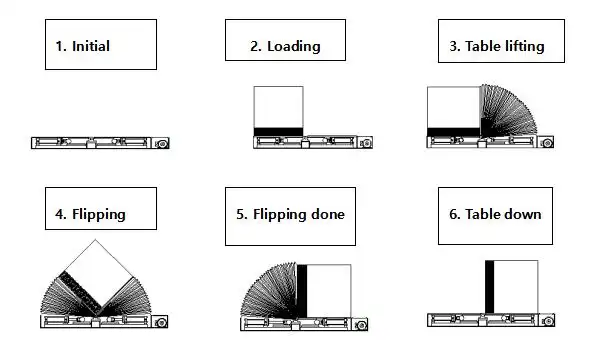
Navigating the Mold Upender Landscape: Segments and Applications
Delving deeper into the segmentation reveals the nuances of the mold upender market. Each segment caters to different operational needs, budgets, and industry requirements.
Segmentation by Equipment Type
- Hydraulic Mold Upenders: These are often favored for heavy-duty applications due to their high power density, ability to generate significant force, and inherent robustness. They typically offer smooth, controlled motion. Advantages include high load capacity and relatively lower initial cost for high-capacity units. However, they require hydraulic power units, involve potential fluid leaks (a concern in cleanroom environments), may have slightly less precise control compared to electromechanical systems, and necessitate regular maintenance of hydraulic components.
- Electromechanical Mold Upenders: Utilizing electric motors, gearboxes (like screw jacks or gear reducers), and sometimes chain or belt systems, these upenders offer precise control, cleaner operation (no hydraulic fluid), easier integration with sophisticated automation controls, and potentially lower energy consumption during idle periods. They are increasingly popular for medium-duty applications and in industries where cleanliness is critical (e.g., medical device molding). While potentially having a higher initial cost for equivalent heavy-duty capacity compared to hydraulics, their precision, cleanliness, and ease of integration are significant advantages.
Segmentation by Load Capacity
The required load capacity is a primary specification driver.
- Light-Duty (e.g., < 5 Tons): Suitable for smaller molds used in producing intricate parts, often found in electronics or medical device manufacturing.
- Medium-Duty (e.g., 5 - 25 Tons): A common range covering a wide variety of molds used in consumer goods, packaging, and many automotive components.
- Heavy-Duty (e.g., 25 - 50+ Tons): Required for very large molds, typical in the automotive industry (large body panels, engine blocks), large appliance manufacturing, and heavy industrial applications. The demand for heavy-duty upenders is growing with the trend towards larger, consolidated parts.
Segmentation by Application Focus
- Mold Maintenance and Repair: This is the most common application. Upenders allow maintenance staff to safely access all sides of a mold for cleaning, inspection, component replacement, or repair. Features like stable platforms and accessibility are key.
- Production Line Integration: In some automated scenarios, upenders might be used to orient molds correctly before they are loaded into molding machines or moved between production stages. This requires seamless integration with conveyors or robotic systems and precise positioning capabilities.
- Mold Storage/Retrieval: Upenders can facilitate the safe handling of molds when moving them to and from storage racks.
Segmentation by End-Use Industry
As discussed in the drivers section, different industries have unique needs influencing their choice of upender:
- Automotive: High demand for heavy-duty, robust, and often automated hydraulic or electromechanical units. Safety and cycle time are critical.
- Plastic Injection Molding: Wide range of needs depending on mold size; increasing interest in clean electromechanical options, especially for medical and electronics applications.
- Die Casting: Primarily heavy-duty hydraulic units due to mold weight and harsh operating environments.
- Rubber Molding: Often requires robust, medium-to-heavy-duty units.
- General Manufacturing/Tool & Die Shops: Diverse needs, often opting for versatile medium-duty units or custom solutions.
Understanding these segments allows manufacturers to tailor their product offerings and marketing efforts, while buyers can more easily identify the type of mold upender that best suits their specific operational context, budget, and safety requirements. The trend is towards greater customization and feature richness across all segments.
Technological Advancements and Innovations
Basic mold upenders simply tilt heavy loads, but the industry is evolving. Modern manufacturers face pressure to improve safety, integrate processes, and boost efficiency, leading to significant technological advancements in mold handling equipment that address these challenges directly. These innovations make upenders smarter, safer, and more versatile.
Key technological advancements transforming mold upenders include the integration of Programmable Logic Controllers (PLCs) for sophisticated automation and diagnostics, variable speed drives for smoother and more controlled motion, enhanced safety features like light curtains and area scanners, remote control operation, and the potential for IIoT connectivity for predictive maintenance and data logging. Customization for specific mold types also represents significant innovation.

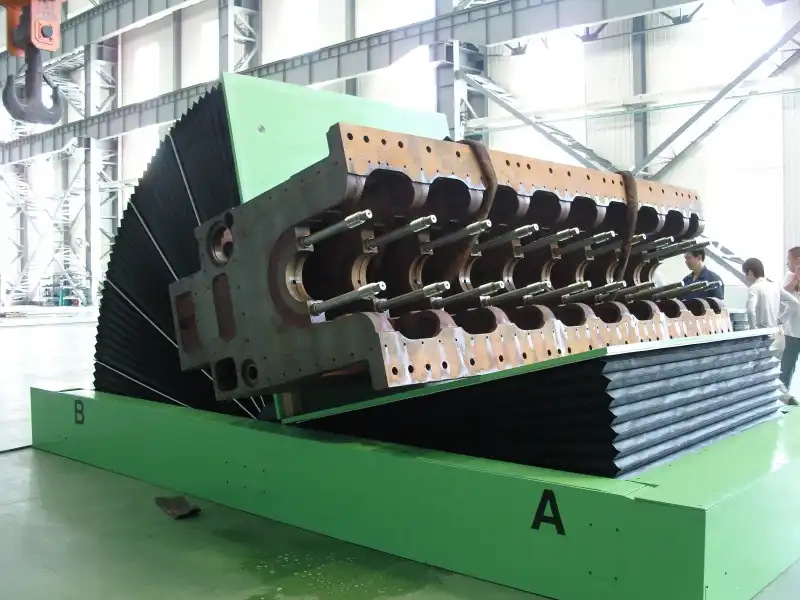
Innovations Shaping the Future of Mold Handling
The evolution of mold upenders mirrors broader trends in industrial automation and smart manufacturing. These innovations are not just incremental improvements; they fundamentally change how molds are handled, enhancing safety, efficiency, and integration capabilities.
Control Systems and Automation (PLC Integration)
Modern mold upenders are increasingly equipped with PLCs. This allows for:
- Automated Sequences: Pre-programmed tilting cycles ensure consistency and reduce operator error.
- Integration: PLCs enable seamless communication with other factory automation systems (robots, conveyors, central control systems) via protocols like Ethernet/IP or Profinet.
- Diagnostics: Advanced diagnostics help in quick troubleshooting, reducing downtime.
- User Interface: HMIs (Human-Machine Interfaces), often touchscreens, provide intuitive operation, status monitoring, and parameter adjustments.
- Variable Speed Control: Using Variable Frequency Drives (VFDs) with electric motors allows for soft starts/stops and adjustable tilting speeds, minimizing mechanical stress on the upender and the mold, and providing smoother, more controlled motion.
Enhanced Safety Features
Beyond basic guarding, modern upenders incorporate advanced safety systems:
- Light Curtains/Area Scanners: These create safety zones around the upender. If an operator enters the zone during operation, the machine automatically stops, preventing potential crush injuries.
- Interlocks: Safety interlocks on access gates or guards ensure the machine cannot operate unless all safety measures are in place.
- Load Sensing/Overload Protection: Systems detect if the mold weight exceeds the rated capacity or if the load is unbalanced, preventing unsafe operation.
- Emergency Stops: Multiple, easily accessible E-stops are standard.
- Mechanical Locking: Positive locking mechanisms (e.g., mechanical pins or brakes) secure the platform in the tilted position, crucial for maintenance safety, especially in hydraulic systems where pressure loss could occur.
Customization and Versatility
Manufacturers increasingly offer customized solutions tailored to specific needs:
- Platform Design: Custom platform sizes, shapes, and surfaces (e.g., non-marring materials) to accommodate unique mold dimensions or sensitive surfaces.
- Tilting Angle: Options for 90-degree, 180-degree, or custom tilting angles.
- Integration Features: Custom mounting points, interfaces for robotic loading/unloading, or integration with specific transport systems (like AGVs).
- Environmental Considerations: Designs for specific environments, such as cleanrooms or explosion-proof areas.
Towards Industry 4.0 and IIoT
While still emerging in this specific equipment segment, there is potential for:
- Remote Monitoring: Connectivity allowing remote status checks and diagnostics.
- Data Logging: Recording operational data (cycles, loads, faults) for analysis and process optimization.
- Predictive Maintenance: Using sensors (vibration, temperature) and data analysis to predict potential failures before they occur, allowing for scheduled maintenance and reducing unexpected downtime.
| Feature | Traditional Mold Upender | Modern Mold Upender | Benefit |
|---|---|---|---|
| Control System | Basic push-button controls | PLC-based, HMI touchscreen | Automation, integration, diagnostics, ease of use |
| Motion Control | Fixed speed | Variable speed drive (VFD) | Smooth motion, reduced stress, adjustable speed |
| Safety Features | Basic guarding, E-stop | Light curtains, interlocks, load sensing, safety PLC | Significantly enhanced personnel and equipment protection |
| Integration | Standalone unit | Ethernet/IP, Profinet connectivity | Seamless integration into automated factory systems |
| Diagnostics | Manual troubleshooting | On-screen diagnostics, potential remote access | Faster troubleshooting, reduced downtime |
| Customization | Limited options | High degree of customization (platform, angle, features) | Optimized solution for specific molds and applications |
| Data & Monitoring | None | Potential for data logging, remote monitoring (IIoT) | Process optimization, predictive maintenance insights |
These advancements collectively make modern mold upenders far more capable, safer, and integrated pieces of industrial equipment, driving their adoption in sophisticated manufacturing environments.
Regional Market Insights and Forecast (2023-2030)
The global demand for mold upenders is not uniform; regional variations in industrial maturity, manufacturing focus, safety regulations, and economic growth create distinct market landscapes and future prospects across the globe, influencing investment and adoption rates.

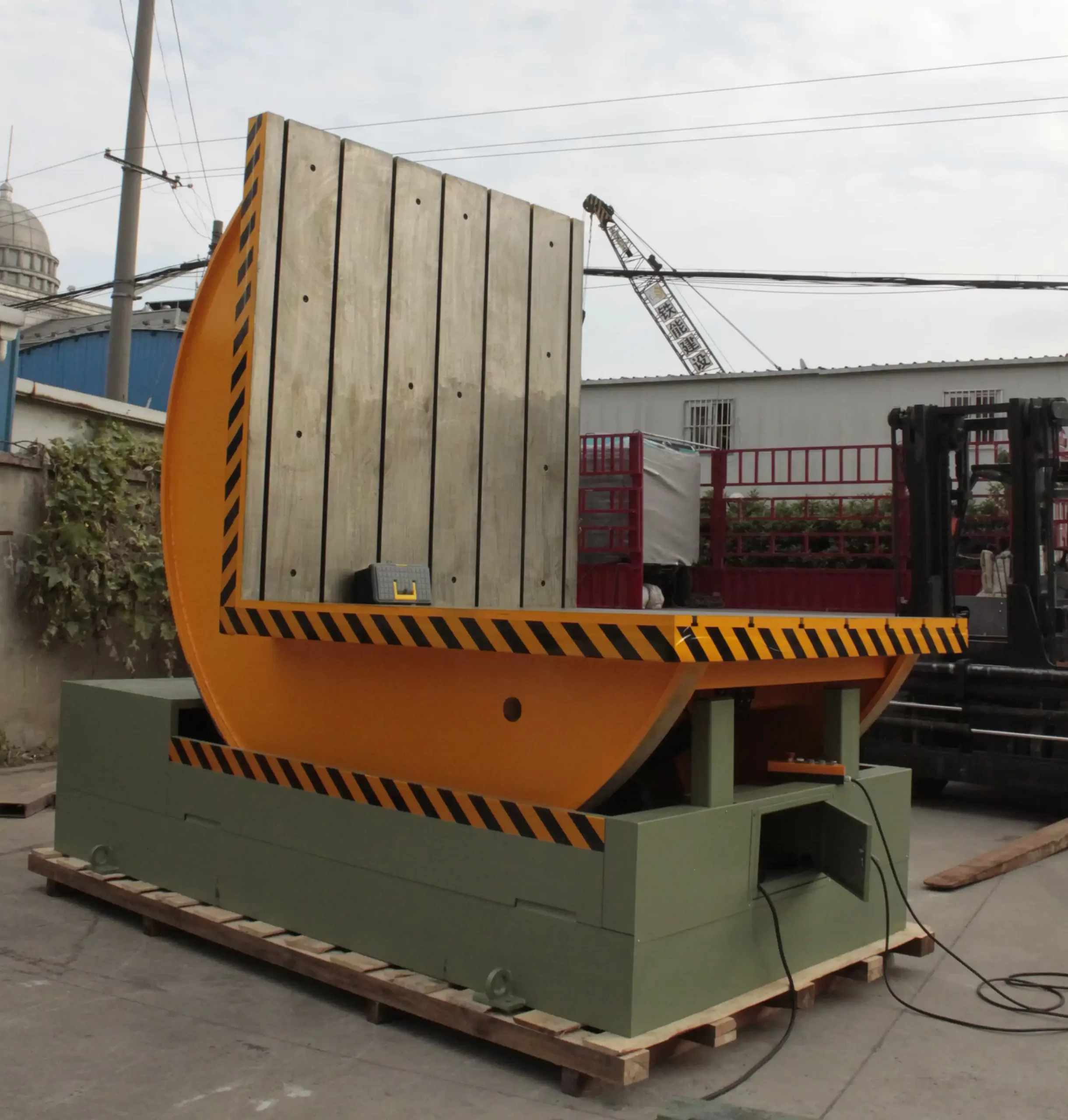
North America and Europe currently represent mature markets with significant demand driven by established automotive and manufacturing sectors and stringent safety regulations, focusing on upgrades and automation. Asia-Pacific is poised for the fastest growth through 2030, fueled by rapid industrialization, particularly in China and India, and increasing adoption of modern manufacturing practices. Latin America and the Middle East & Africa (LAMEA) represent smaller but potentially growing markets tied to regional industrial development. Overall, the global forecast points towards sustained growth, closely linked to the expansion of the broader industrial mold market and the increasing necessity for safe and efficient handling solutions worldwide.
Delving into regional specifics reveals diverse priorities. North America, with its strong automotive base and focus on aerospace, emphasizes high-capacity, automated systems and safety compliance (OSHA). The U.S. market, in particular, benefits from reshoring initiatives and investments in advanced manufacturing. The presence of major mold-making and user industries ensures consistent demand for both new units and retrofits. The influence of large automotive OEMs often sets technological trends for handling equipment in the region.
Europe mirrors North America in terms of maturity and safety focus (driven by EU Machinery Directive). Germany's powerful automotive and engineering sectors, Italy's strong plastics machinery industry, and manufacturing hubs across France and the UK contribute significantly to demand. There's a growing emphasis on energy efficiency and integration within Industry 4.0 frameworks. The push for electric vehicles is also reshaping mold requirements and handling needs.
Asia-Pacific stands out as the growth engine. China's massive manufacturing ecosystem, encompassing everything from electronics to automotive, drives substantial demand. While historically more cost-sensitive, there's a rapidly increasing adoption of automation and higher safety standards. India's burgeoning manufacturing sector, supported by government initiatives, presents significant long-term potential. Other Southeast Asian nations also contribute to regional growth as manufacturing bases expand. The region's growth in mold upender demand will likely outpace the global average, reflecting the ~30% share the region holds in the broader industrial mold market and its dynamic expansion.
LAMEA regions currently constitute a smaller share of the market. Growth is often project-based and linked to investments in specific sectors like automotive assembly (Mexico, Brazil), mining, or oil and gas (Middle East). Adoption levels are generally lower than in developed regions, but there is potential for growth as industrial infrastructure develops and safety awareness increases. South Africa and Brazil are key markets within this diverse region.
While a specific CAGR for mold upenders isn't provided in the source material, its trajectory is expected to closely follow or be slightly below the robust 9.2% CAGR projected for the overall industrial mold market through 2032, indicating strong growth prospects globally throughout the 2023-2030 forecast period. Regional variations will see Asia-Pacific likely exceeding this average, while mature markets like North America and Europe exhibit solid, albeit potentially slower, growth driven by technology upgrades and replacement cycles.
Conclusion
The Mold Upender market is on a clear growth trajectory from 2023 to 2030, fundamentally driven by the increasing demands of modern manufacturing for enhanced safety, greater operational efficiency, and the need to handle progressively larger and more complex molds. Key sectors like automotive and plastics molding are major catalysts. Technological advancements, particularly in automation, control systems, and safety features, are further stimulating adoption. Regional dynamics show strong, established markets in North America and Europe, with Asia-Pacific emerging as the fastest-growing region. Staying informed about [Market trends]() is crucial for stakeholders aiming to capitalize on the opportunities within this evolving landscape.