

How to Reduce Product Damage with Pallet Inverters?
Looking to minimize product damage in your warehouse? Pallet inverters are a game-changer. By enabling efficient and safe load transfers, pallet inverters drastically reduce manual handling, a major culprit in inventory damage. This leads to fewer crushed corners, broken items, and happier customers. Investing in pallet inverters is investing in loss prevention and operational excellence.




The Costly Reality of Product Damage in Warehouses
Product damage is more than just a minor inconvenience; it's a significant drain on profitability for businesses across the supply chain. Every year, companies grapple with substantial financial losses stemming from goods that are crushed, broken, bent, or otherwise rendered unsellable. These damages aren't just confined to large corporations; businesses of all sizes feel the pinch. In today's competitive market, where margins are often tight, unnecessary losses due to product damage can be particularly frustrating for owners and managers striving for a healthy bottom line.
Many might view a certain level of product damage as an unavoidable cost of doing business. While it's true that accidents can happen even in the most well-managed operations, the extent and severity of these incidents are far from predetermined. A proactive approach to damage prevention can significantly reduce the frequency of workplace mishaps that lead to inventory devaluation and, in some cases, worker injuries.
Why Damage Prevention Should Be a Top Priority
For any business involved in warehousing and logistics, prioritizing damage prevention is not just good practice; it's essential for sustained success. The impact of product damage reverberates through several critical areas:
Eroding Profits: The Direct Financial Hit
Damaged goods translate directly into lost profits. Consider this: many businesses experience a gross volume loss of around one percent annually simply due to products damaged under their care. For a company handling $10 million in product annually, this one percent loss equates to a staggering $100,000 loss each year – solely from damage. Imagine the potential savings from a focused effort to minimize inventory damage. Reducing this loss to just 0.5 percent would immediately recover $50,000 annually.
Beyond the initial loss of goods, damaged products often lead to costly returns and replacements. Studies indicate that replacing a damaged item can be up to 17% more expensive than the original shipping cost. These added expenses further erode profit margins and impact financial performance.
Damaging Your Business Reputation
In today's interconnected world, a company's reputation is paramount. Product damage can severely tarnish your business image, especially in the age of e-commerce where customer experience is king. Research shows that a significant majority of consumers would view their relationship with a business negatively if they received a damaged product. Alarmingly, a considerable percentage of those affected would completely sever ties with the company, even after a single negative experience. In a market driven by online reviews and social media, protecting product integrity is vital for maintaining customer trust and loyalty.
Compromising Worker Safety
Warehouse operations inherently involve risks, and product damage is often intertwined with workplace safety. Statistics reveal that warehouses experience a concerning number of worker injuries per year. An unsafe warehouse environment not only jeopardizes employee well-being but also leads to lost labor, decreased productivity, and potential compensation claims. As a responsible business owner or warehouse operator, ensuring a safe workplace is a moral imperative. Reducing product damage contributes to a safer environment, minimizing risks for your valuable workforce.
Pallet Inverters: A Key Strategy for Damage Reduction
While many factors contribute to product damage, a significant portion occurs during material handling, particularly pallet handling. Traditional methods of transferring goods between pallets, often involving manual lifting, tilting, and restacking, are inherently risky and prone to causing damage. This is where pallet inverters emerge as a powerful solution.
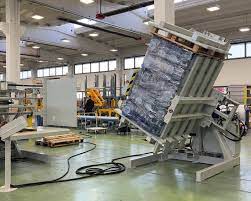
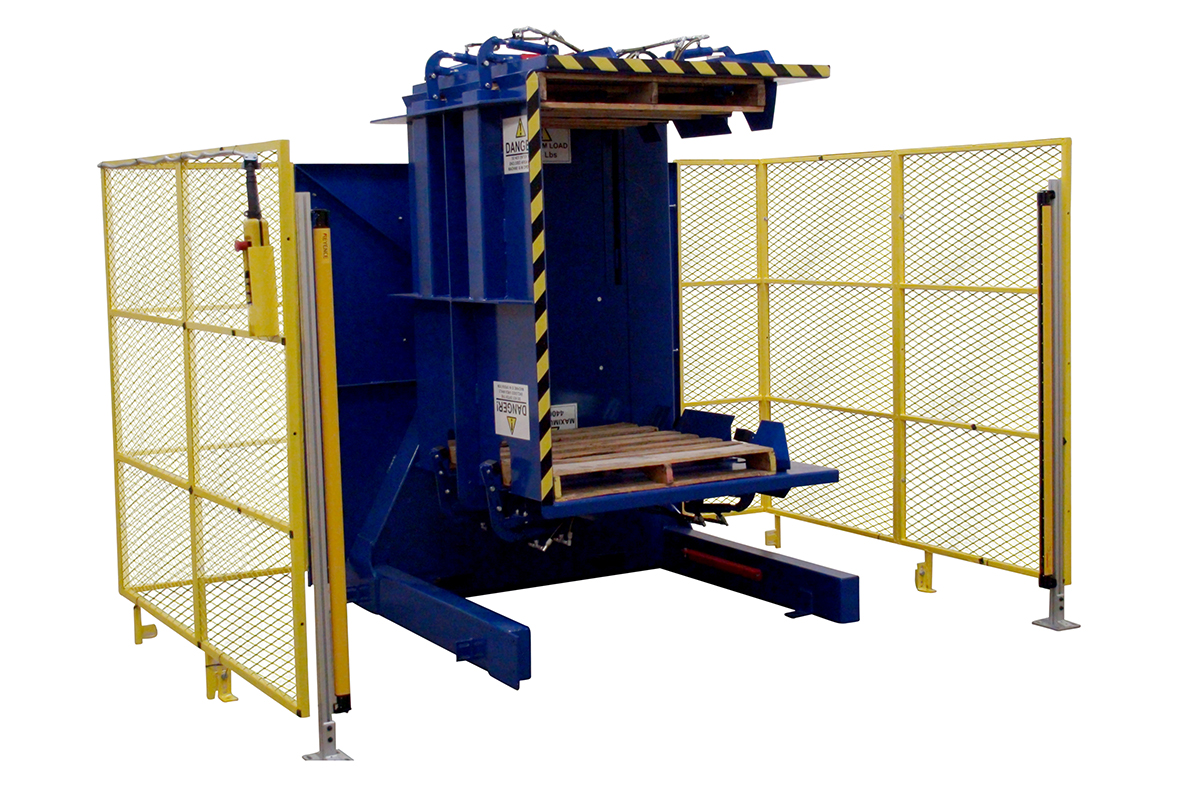
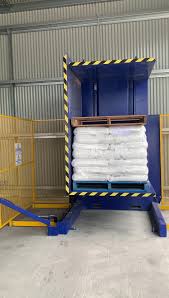
Pallet inverters are specialized material handling equipment designed to efficiently and safely invert or transfer loads from one pallet to another. They eliminate much of the manual labor associated with pallet transfer, significantly reducing the risk of human error and subsequent product damage.
How Pallet Inverters Minimize Product Damage
Pallet inverters contribute to damage reduction in several key ways:
Reducing Manual Handling: The Primary Damage Culprit
Manual handling is a major source of product damage in warehouses. Lifting, stacking, and restacking heavy loads manually increases the likelihood of drops, impacts, and mishandling, all leading to damaged goods. Pallet inverters automate the pallet transfer process, minimizing the need for manual intervention. By reducing human touchpoints, they inherently decrease the chances of accidental damage during pallet changes or inversions.
Controlled and Stable Load Transfer
Unlike manual methods that can be jerky and unstable, pallet inverters provide a controlled and stable environment for load transfer. The load is securely clamped and gently inverted, ensuring that products remain stable throughout the process. This controlled movement is especially crucial for fragile or delicate items that are highly susceptible to damage from sudden shifts or rough handling.
Eliminating the Need for Restacking
Traditional pallet exchange often involves manually unloading and restacking goods, a process that is time-consuming and damage-prone. Pallet inverters eliminate the need for manual restacking. The entire load is inverted and transferred as a unit, minimizing disturbance to the products and reducing the risk of damage associated with repeated handling.
Protecting Products from Pallet Defects
Damaged or substandard pallets are a hidden source of product damage. Faulty pallets with loose boards, exposed nails, or contamination can directly damage products, especially during handling and storage. Pallet inverters allow for easy and efficient pallet exchange, enabling you to quickly replace damaged pallets with sturdy, reliable ones without extensive manual labor or product handling.
Enhancing Operational Efficiency and Smoothness
Beyond damage reduction, pallet inverters streamline warehouse operations. They significantly speed up pallet transfer processes compared to manual methods, boosting efficiency and throughput. A smoother, more efficient workflow reduces congestion and rushed movements within the warehouse, further minimizing the overall risk of accidents and product damage.
Integrating Pallet Inverters into Your Damage Prevention Strategy
Implementing pallet inverters is a strategic move towards a comprehensive damage prevention program. To maximize their effectiveness, consider these key points:
Employee Training is Paramount
Even with automated equipment, proper employee training is essential. Operators need to be thoroughly trained on the safe and correct operation of pallet inverters. Training should cover loading and unloading procedures, emergency stop protocols, and regular safety checks. Well-trained operators are crucial for preventing accidents and ensuring the equipment is used effectively and safely.
Regular Maintenance for Optimal Performance
Like any machinery, pallet inverters require regular maintenance to ensure safe and reliable operation. A proactive maintenance schedule, including cleaning, inspection, and timely repairs, is crucial. Regular maintenance not only extends the lifespan of the equipment but also ensures that safety features remain functional and potential hazards are identified and addressed promptly.
Utilize Safety Equipment and Procedures
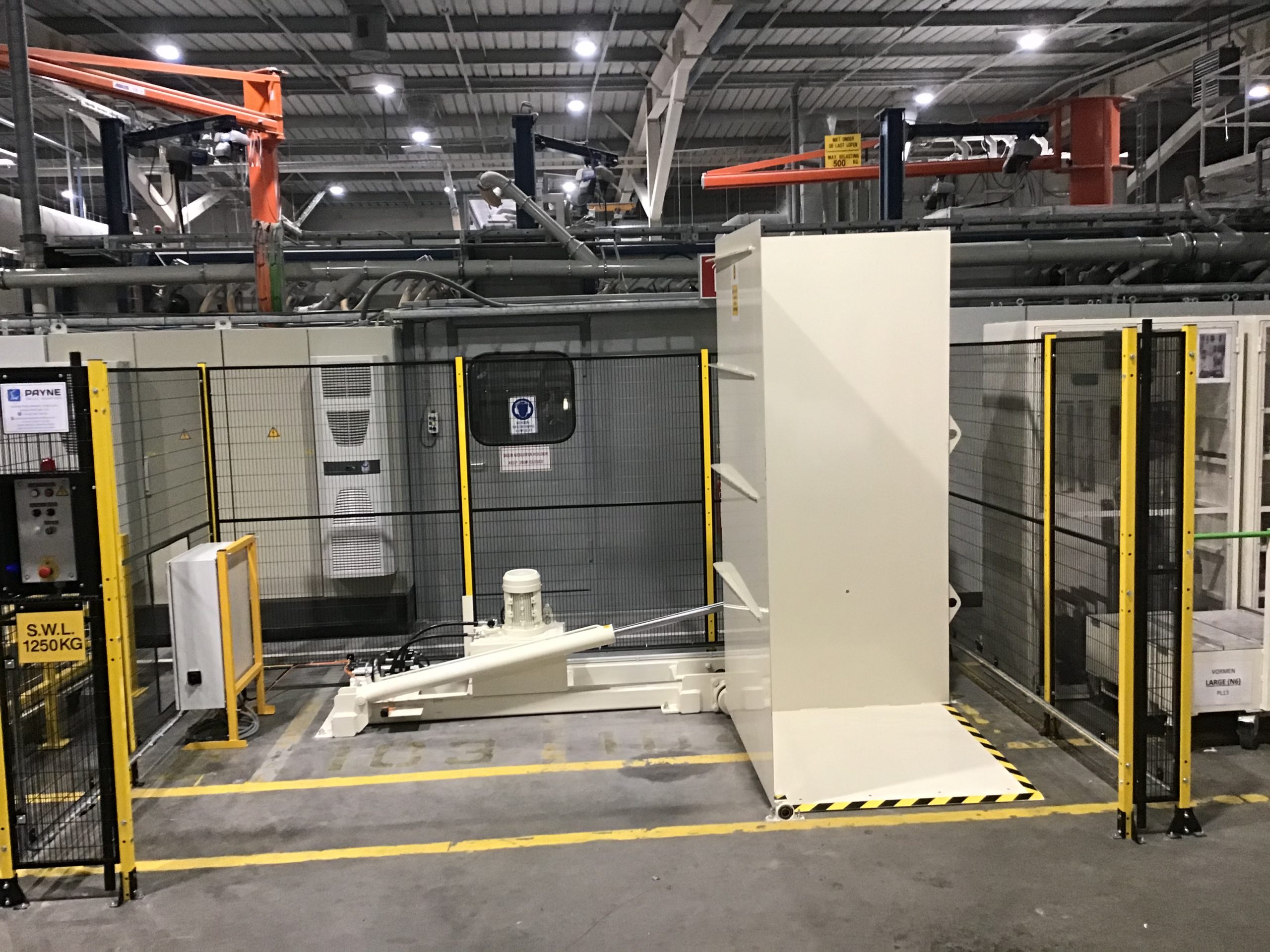
Supplement pallet inverter use with appropriate safety equipment and procedures. This may include safety guards around the operating area, clear safety signage, and designated zones for pallet inverter operation. Reinforce safety protocols and ensure employees consistently adhere to them.
Choose the Right Pallet Inverter for Your Needs
Pallet inverters come in various types and capacities. Selecting the right inverter that matches your specific pallet types, load weights, and operational needs is crucial for optimal performance and safety. Consider factors like the type of goods you handle, the frequency of pallet changes, and the space available in your warehouse when choosing a pallet inverter.
Investing in Pallet Inverters: Investing in Loss Prevention
Product damage is a costly problem that impacts profitability, reputation, and worker safety. While complete elimination of damage may be an unrealistic goal, significant reduction is achievable through proactive strategies and the right equipment. Pallet inverters stand out as a powerful tool in the fight against product damage, particularly during pallet handling operations.
By reducing manual handling, ensuring controlled load transfer, and streamlining pallet exchange processes, pallet inverters offer a tangible and effective solution for minimizing inventory damage in warehouses. Investing in pallet inverter technology is not just an equipment purchase; it's a strategic investment in loss prevention, operational efficiency, and a stronger bottom line. Embrace pallet inverters and take a significant step towards a safer, more efficient, and less wasteful warehouse operation.