

How to Reduce Energy Consumption of Pallet Inverters?
Want to shrink your warehouse's energy footprint and boost your bottom line? Discover practical strategies to slash energy consumption in pallet inverter operations.
Pallet inverters are indispensable workhorses in modern warehouses and distribution centers, streamlining material handling and boosting efficiency. Yet, like any industrial equipment, they contribute to energy consumption. In an era where sustainability and cost-effectiveness are paramount, understanding and implementing strategies to reduce the energy footprint of pallet inverters is not just environmentally responsible—it's smart business. By making targeted adjustments and embracing energy-efficient practices, businesses can significantly lower operational costs, enhance their sustainability profile, and contribute to a greener future. Let's explore actionable methods to minimize energy usage in your pallet inverter operations and unlock substantial benefits for your organization.

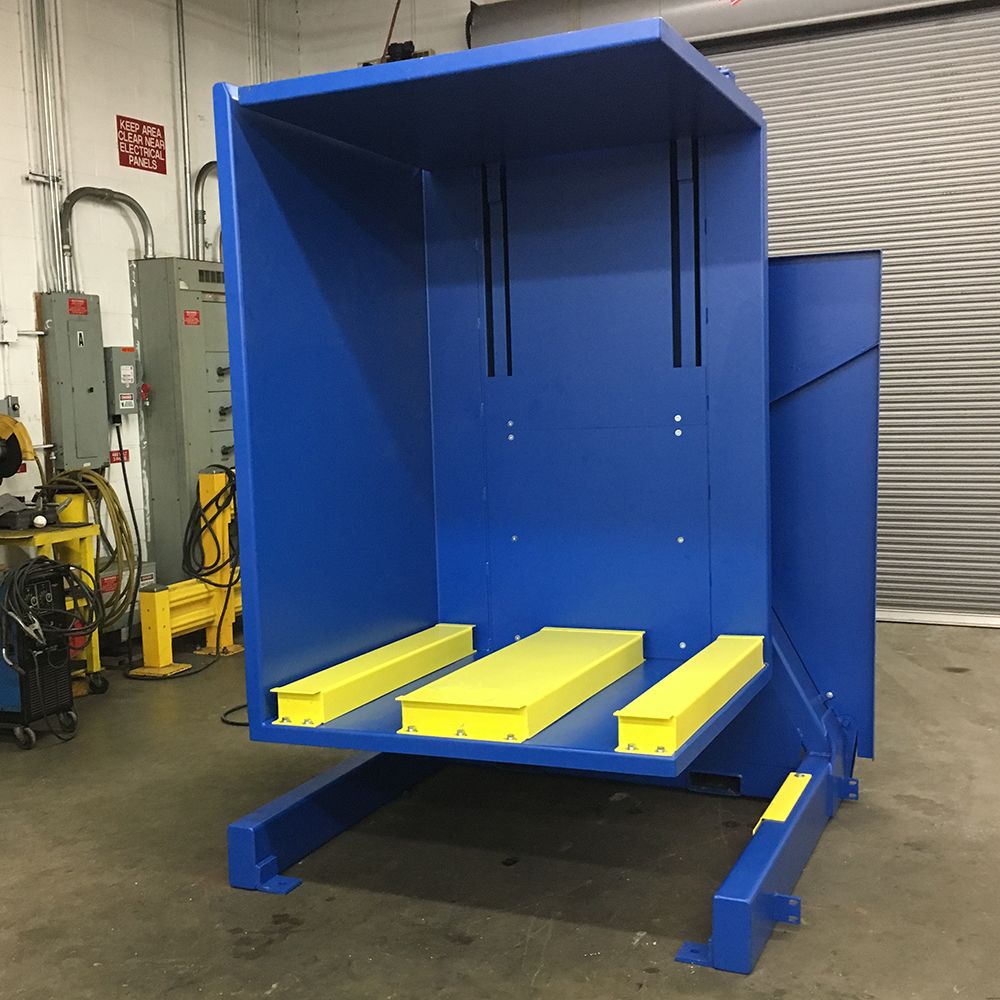
Understanding Energy Consumption in Pallet Inverters
Before diving into solutions, it’s crucial to understand where pallet inverters consume energy. Most pallet inverters rely on electro-hydraulic systems or electric motors to perform their core function: inverting and transferring loads. Hydraulic systems, while powerful, can be energy-intensive if not optimized. Electric motors, depending on their type and control mechanisms, also contribute significantly to energy use.
Key areas of energy consumption in pallet inverters include:
- Hydraulic Power Units (HPUs): In hydraulic pallet inverters, the HPU, which powers the hydraulic cylinders responsible for lifting and inverting, is a major energy consumer. Inefficient pumps, leaks, and prolonged operation contribute to wasted energy.
- Electric Motors: Whether driving hydraulic pumps or directly powering mechanical inverters, electric motors are at the heart of pallet inverter operation. The efficiency of these motors, their speed control, and operational patterns directly impact energy consumption.
- Idle Time: Like any machinery, pallet inverters may spend periods idling between cycles. During idle periods, even if not actively inverting pallets, the machine may still consume some energy to maintain system readiness.
- Control Systems: The electronic control systems that govern the inverter's operation also consume power, although typically less than motors and hydraulics. Optimizing these systems can contribute to overall energy savings.
Strategies for Reducing Energy Consumption
Reducing energy consumption in pallet inverters involves a multi-faceted approach, focusing on technological upgrades, operational best practices, and proactive maintenance. Here are effective strategies to consider:
1. Upgrade to Energy-Efficient Motors and Drives
One of the most impactful steps is to replace older, less efficient motors with modern, high-efficiency alternatives.
- Premium Efficiency Motors: Consider upgrading to premium efficiency motors (IE3 or higher). These motors are designed to convert electrical energy into mechanical power more effectively, reducing energy waste as heat. While the initial investment may be slightly higher, the long-term energy savings and reduced operating costs provide a significant return.
- Variable Frequency Drives (VFDs): Implementing Variable Frequency Drives (VFDs) offers substantial energy-saving potential, especially for motor-driven hydraulic pumps. VFDs allow you to precisely control the speed of the motor to match the actual demand of the pallet inverter operation. Instead of running at full speed constantly, the motor can adjust its speed based on the load and cycle requirements. This is particularly beneficial because, as research shows, reducing motor speed in applications like pumps and fans leads to dramatic energy savings due to the "cube law"—a small reduction in speed results in a much larger reduction in power consumption. For instance, slowing down a motor by just 20% can reduce energy consumption by nearly 50%.

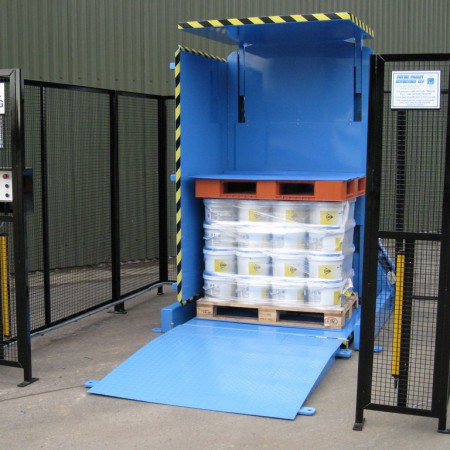
2. Optimize Hydraulic Systems
For hydraulic pallet inverters, optimizing the hydraulic system is crucial for minimizing energy waste.
- Efficient Hydraulic Pumps: Ensure your hydraulic system uses energy-efficient pumps. Consider using variable displacement pumps, which adjust their flow rate to match the system's demand, reducing energy waste during periods of lower demand.
- Leak Prevention and Maintenance: Hydraulic leaks are a significant source of energy loss and inefficiency. Implement a regular maintenance program to inspect and promptly repair any leaks in hoses, fittings, and cylinders. Preventative maintenance not only saves energy but also extends the lifespan of hydraulic components.
- Right-Sized Hydraulic Components: Ensure that hydraulic cylinders, valves, and piping are appropriately sized for the pallet inverter's typical load and operating cycles. Oversized components can lead to unnecessary energy consumption.
- Consider Electro-Hydraulic Actuation: Explore advanced electro-hydraulic actuation systems that offer improved efficiency and control compared to traditional hydraulic systems. These systems often incorporate features like closed-loop control and energy regeneration.
3. Implement Smart Operation and Control Strategies
Intelligent operation and control can significantly reduce unnecessary energy consumption.
- Programmable Logic Controllers (PLCs): Modern pallet inverters often utilize PLCs for precise control over their operation. Optimize PLC programming to minimize cycle times, reduce idle periods, and ensure efficient sequencing of operations.
- Demand-Based Operation: Configure the control system to operate the pallet inverter only when needed. Integrate sensors or automation systems to ensure the inverter is activated only when a pallet change is required, rather than running continuously.
- Regenerative Braking (if applicable): In some pallet inverter designs, particularly those with electric motor drives, regenerative braking systems can be incorporated. These systems capture energy generated during deceleration and convert it back into electricity, reducing overall energy consumption.
- Operator Training: Train operators on energy-efficient operating practices. Encourage them to avoid unnecessary idling, optimize cycle times, and report any potential issues that could lead to energy waste, such as unusual noises or slow operation.
4. Regular Maintenance and Inspections
Proactive maintenance is not just about preventing breakdowns; it's also a key factor in energy efficiency.
- Scheduled Maintenance Program: Establish a regular maintenance schedule that includes inspection and servicing of motors, hydraulic systems, and control components.
- Lubrication: Proper lubrication reduces friction in moving parts, minimizing energy waste and wear. Follow manufacturer recommendations for lubrication schedules and lubricant types.
- Filter Replacement: Regularly replace filters in hydraulic systems to maintain fluid cleanliness. Contaminated hydraulic fluid can reduce system efficiency and increase energy consumption.
- Energy Audits: Periodically conduct energy audits of your pallet inverter operations. This involves measuring energy consumption, identifying areas of waste, and tracking the impact of energy-saving measures.
5. Choose the Right Pallet Inverter Type for the Application
Different types of pallet inverters have varying energy consumption characteristics. Selecting the most appropriate type for your specific needs can contribute to energy savings.
- Consider Application Requirements: Analyze the types of loads you handle, the frequency of pallet changes, and the operating environment. For lighter loads and less frequent use, a simpler, less energy-intensive inverter model might suffice. For heavy-duty, high-throughput operations, investing in a more efficient, albeit potentially more powerful, inverter may be justified.
- Explore Electric Pallet Inverters: For certain applications, electric pallet inverters, which directly use electric motors for lifting and inversion, may offer advantages in terms of energy efficiency compared to hydraulic models, especially if equipped with VFDs and regenerative braking.
6. Consider Lighter Pallet Alternatives (Indirect Energy Impact)
While not directly related to the pallet inverter itself, the type of pallets used can indirectly influence energy consumption.
- Sustainable Pallets: Consider transitioning to lighter-weight pallets, such as those made from corrugated cardboard or recycled plastic, where appropriate for your products and supply chain. Lighter pallets reduce the overall weight handled by the inverter, potentially decreasing the energy required for each cycle. As KraftPal highlights, corrugated cardboard pallets can significantly reduce weight and carbon footprint compared to traditional wooden pallets.
- Optimized Pallet Design: Explore pallet designs that are optimized for stability and load distribution, reducing the need for excessive clamping force during inversion, which can translate to energy savings.
Benefits of Reducing Energy Consumption
Implementing energy-saving measures in pallet inverter operations yields a wide range of benefits:
- Reduced Operating Costs: Lower energy consumption directly translates to reduced electricity bills, contributing to significant cost savings over time.
- Enhanced Sustainability Profile: Reducing your energy footprint demonstrates a commitment to environmental responsibility, enhancing your company's reputation and appeal to environmentally conscious customers and stakeholders.
- Improved Energy Efficiency: Optimizing pallet inverter operations improves overall energy efficiency within your warehouse or distribution center, contributing to broader sustainability goals.
- Extended Equipment Lifespan: Proper maintenance and optimized operation reduce wear and tear on pallet inverters, potentially extending their lifespan and reducing the need for premature replacements.
- Potential Incentives and Rebates: In many regions, government and utility programs offer incentives and rebates for businesses that invest in energy-efficient equipment and practices, further enhancing the financial benefits of energy reduction initiatives.

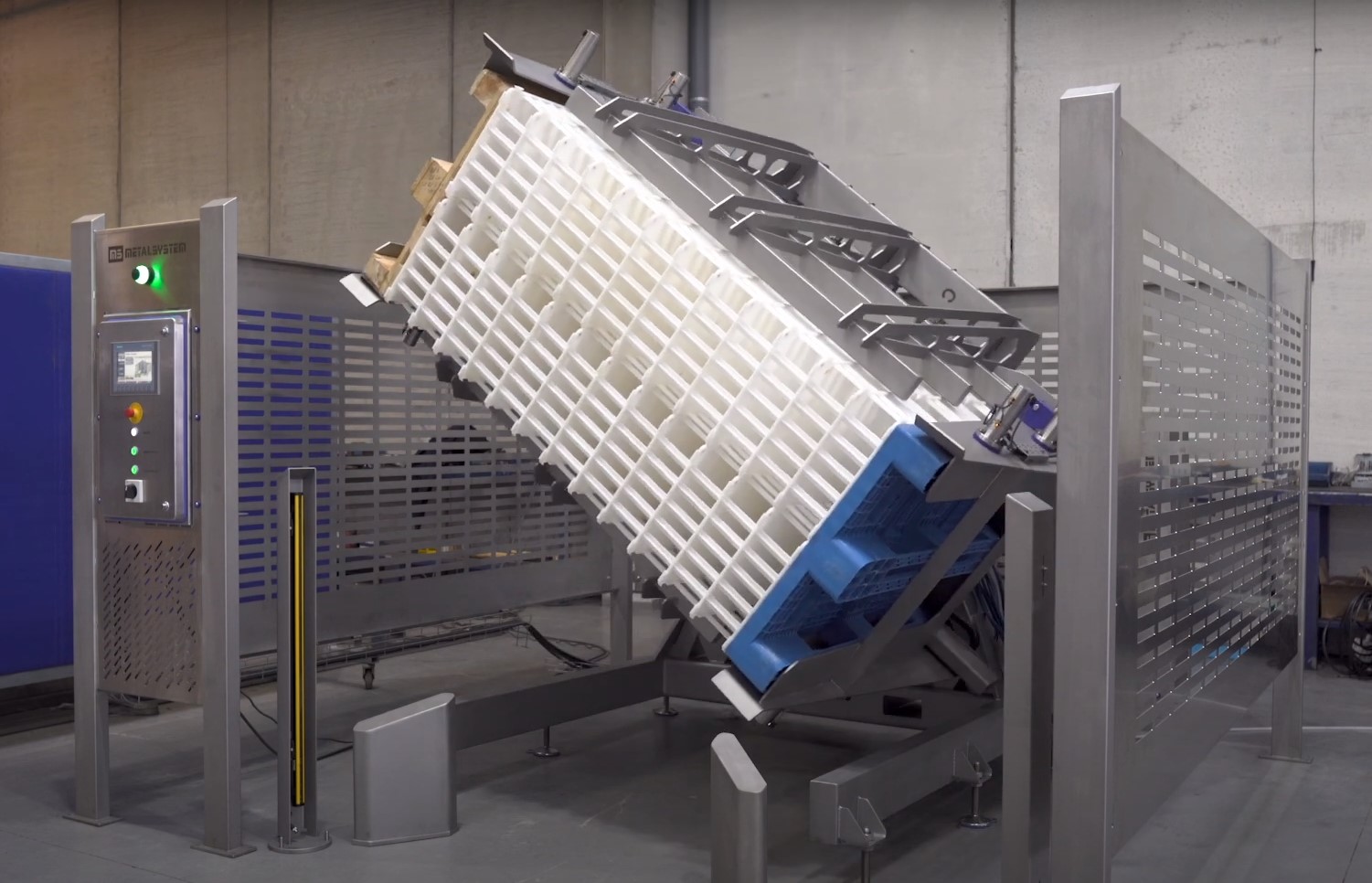
Conclusion: Powering Efficiency and Sustainability in Material Handling
Reducing energy consumption in pallet inverters is a crucial step towards creating more sustainable and cost-effective material handling operations. By adopting a combination of technological upgrades, optimized operating practices, and proactive maintenance, businesses can unlock significant energy savings and contribute to a greener future.
Taking action is straightforward. Start by assessing your current pallet inverter operations. Conduct an energy audit to pinpoint areas of high consumption and potential waste. Explore the strategies outlined above, prioritizing those that align with your specific needs and operational context. Consider upgrading to energy-efficient motors and VFDs, optimizing hydraulic systems, implementing smart controls, and establishing a robust maintenance program.
Embrace the opportunity to enhance your warehouse efficiency, reduce your environmental impact, and boost your bottom line. By focusing on energy-smart pallet inverter operations, you're not just saving kilowatt-hours; you're investing in a more sustainable and prosperous future for your business and the planet.

Ready to take the next step? Contact energy efficiency experts or pallet inverter specialists to explore tailored solutions for your operations and start reaping the rewards of energy-conscious material handling.