

How to Optimize Pallet Inverter Performance for Variable Load Weights?
Optimizing pallet inverter performance for variable load weights is crucial for maintaining efficient and safe industrial operations. Pallet inverters are essential machines designed to handle diverse loads, and understanding how to adjust settings and procedures based on weight variations can significantly enhance productivity, minimize damage, and ensure workplace safety. This article delves into the best practices for achieving peak pallet inverter performance when dealing with variable load weights, drawing from industry insights to provide actionable strategies for modern machine shops and warehouses.
Understanding the Challenges of Variable Load Weights on Pallet Inverters

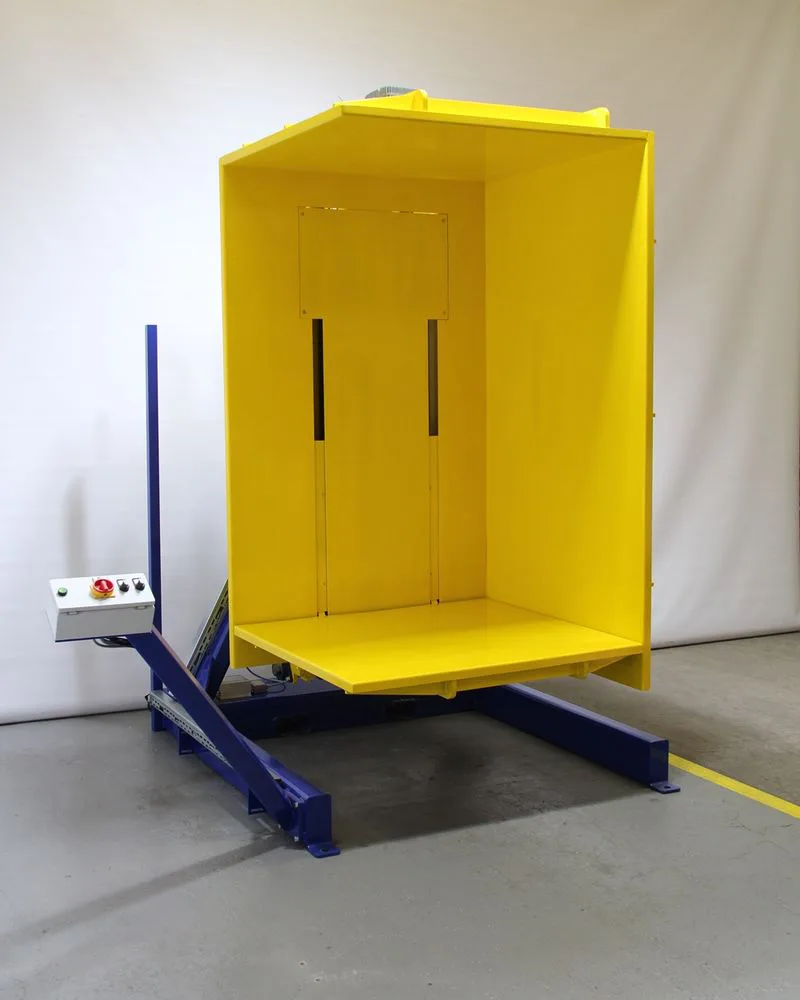
Pallet inverters are robust machines, but variable load weights present unique challenges that can impact their performance and longevity. When handling loads with inconsistent weights, several potential issues can arise:
- Clamp Pressure Inconsistencies: Pallet inverters rely on clamping mechanisms to secure loads during inversion. A fixed clamp pressure setting may be insufficient for lighter loads, leading to slippage or instability during rotation. Conversely, the same setting might apply excessive pressure to heavier or more fragile loads, causing product damage.
- Increased Cycle Times: If operators must manually adjust settings or proceed cautiously due to uncertainty about load weight, cycle times can increase. This reduces overall throughput and efficiency in material handling operations.
- Potential for Product Damage: Incorrect clamp pressure or unstable handling due to mismatched settings for load weight can lead to product damage. This is particularly concerning for delicate or high-value goods.
- Safety Concerns: Improperly secured or unbalanced loads due to weight variations can create safety hazards for operators and surrounding equipment. Loads shifting during inversion can cause accidents and injuries.
- Equipment Wear and Tear: Continuously operating a pallet inverter with settings that are not optimized for the specific load weight can contribute to unnecessary wear and tear on the machine's components, potentially shortening its lifespan and increasing maintenance costs.
Addressing these challenges requires a proactive approach to pallet inverter operation, focusing on understanding load characteristics and implementing flexible and adaptable procedures.
Key Factors Influencing Pallet Inverter Performance with Variable Loads

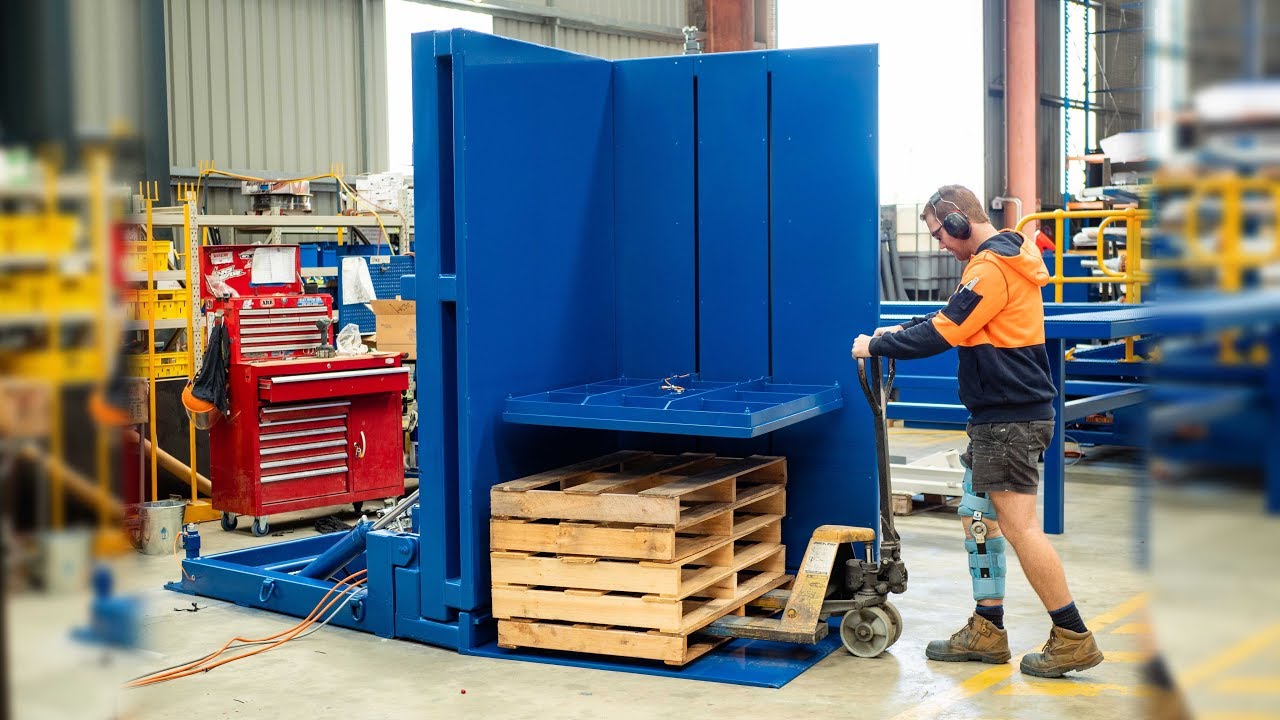
Several key factors influence how effectively a pallet inverter handles variable load weights. Optimizing these factors is essential for achieving peak performance and mitigating the challenges mentioned earlier.
1. Pallet Inverter Type and Capacity
The fundamental factor is selecting a pallet inverter with appropriate capacity for the range of load weights encountered in the operation. Pallet inverters are available in various capacities, typically ranging from light-duty models for lighter loads to heavy-duty inverters capable of handling several tons.
- Capacity Matching: Ensure the inverter's maximum load capacity comfortably exceeds the heaviest loads anticipated. Operating an inverter consistently at or near its maximum capacity can lead to premature wear and reduced performance.
- Throat Opening and Platform Size: Consider the physical dimensions of the loads, especially height and width, in relation to the inverter's throat opening and platform size. Variable load weights often correlate with variations in load dimensions, and the inverter must accommodate the largest anticipated loads.
- Inverter Design for Variable Loads: Some pallet inverter models are specifically designed to handle a wider range of load types and weights. Dual clamp inverters, for instance, offer a larger clamping range, making them suitable for operations with diverse package and container sizes and weights.
2. Adjustable Clamp Pressure and Control Systems
For variable load weights, the ability to adjust clamp pressure is paramount. Modern pallet inverters often feature sophisticated control systems that allow operators to fine-tune clamp pressure based on the load's characteristics.
- Hydraulic Pressure Control: Hydraulically operated clamping mechanisms offer precise pressure control. Look for inverters with easily adjustable hydraulic pressure settings, allowing operators to adapt to different load weights quickly.
- PLC-Controlled Automation: Programmable Logic Controllers (PLCs) can enhance automation and precision in clamp pressure application. Customizable PLC-controlled automatic cycle packages can be programmed to adjust clamp pressure based on pre-set parameters or sensor feedback, optimizing performance for varying loads.
- Pressure Gauges and Indicators: Clear and accessible pressure gauges or indicators are essential for operators to monitor and adjust clamp pressure accurately. These visual aids ensure consistent and appropriate clamping force for each load.
3. Load Securing and Stabilization Features
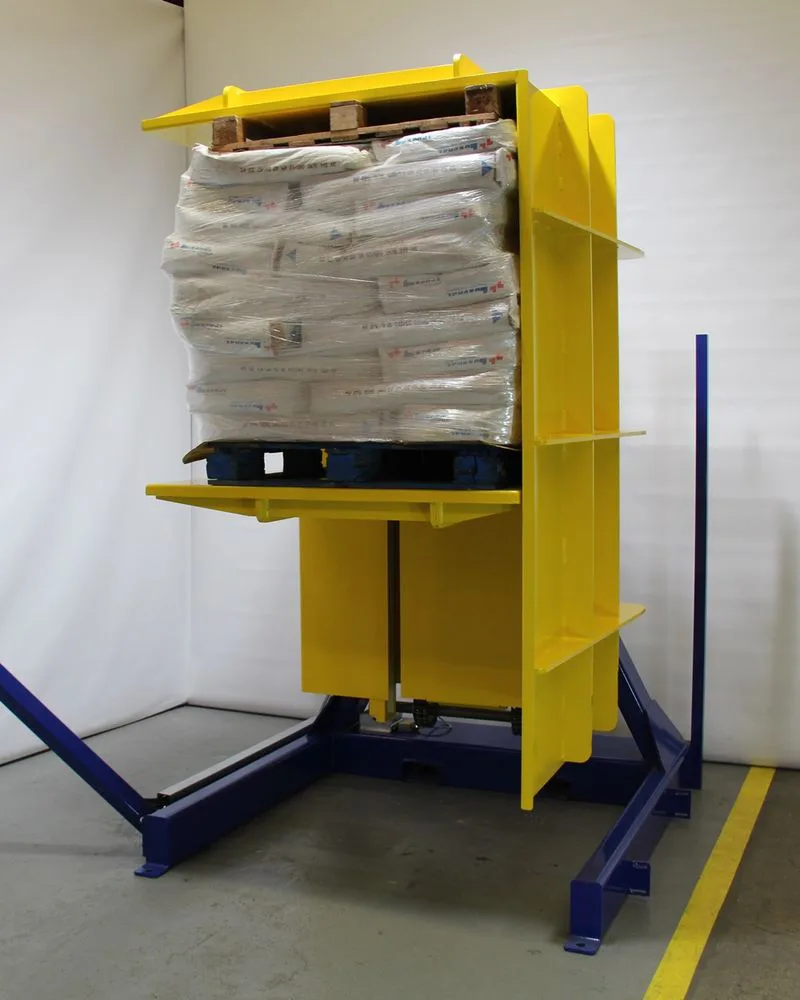
Beyond clamp pressure, additional features contribute to load security and stability, especially crucial for variable weights.
- Adjustable Clamping Arms: Inverters with adjustable clamping arms can accommodate loads of varying widths and shapes, ensuring a secure grip regardless of weight distribution.
- Load Straps and Restraints: For particularly unstable or loosely packed loads, incorporating load straps or restraints can provide an extra layer of security during inversion, minimizing the risk of shifting or product damage.
- Non-Slip Platform Surfaces: Platform surfaces with non-slip materials enhance friction and prevent loads from sliding during rotation, especially beneficial for lighter loads that might be more prone to movement.
4. Operational Speed and Cycle Time Optimization
While safety and load security are primary concerns, optimizing operational speed and cycle times is also vital for efficiency.
- Variable Speed Controls: Inverters with variable speed rotation controls allow operators to adjust the inversion speed based on load weight and stability. Slower speeds might be preferred for heavier or more delicate loads, while faster speeds can be used for lighter, stable loads.
- Automated Cycle Packages: Automated cycle packages, often integrated with PLC controls, can streamline the inversion process and minimize manual adjustments. These packages can be programmed to optimize rotation speed and clamping sequences for different load types, improving cycle times while maintaining safety.
- Sensor-Based Load Detection: Sensors that detect load presence and potentially even approximate load weight can automate the initiation of the inversion cycle and potentially trigger pre-set parameter adjustments, further enhancing efficiency and reducing operator intervention.
5. Regular Maintenance and Inspection Protocols
Consistent performance with variable loads relies on the pallet inverter being in optimal working condition. Regular maintenance and inspection are crucial.
- Hydraulic System Checks: Regularly inspect hydraulic lines, cylinders, and pumps for leaks, wear, and proper fluid levels. A well-maintained hydraulic system ensures consistent and reliable clamp pressure and rotation.
- Clamp Mechanism Inspection: Examine clamping arms, pads, and locking mechanisms for wear, damage, and proper alignment. Ensure smooth and consistent clamping action across the range of motion.
- Safety Feature Verification: Regularly test safety features like emergency stop buttons, safety guards, and sensors to ensure they are functioning correctly.
- Lubrication and Component Checks: Follow manufacturer guidelines for lubrication of moving parts and inspect structural components for signs of stress or fatigue.
- Scheduled Professional Maintenance: Engage in scheduled professional maintenance services to conduct thorough inspections, address potential issues proactively, and ensure the inverter operates at peak performance.
6. Comprehensive Operator Training and Procedures
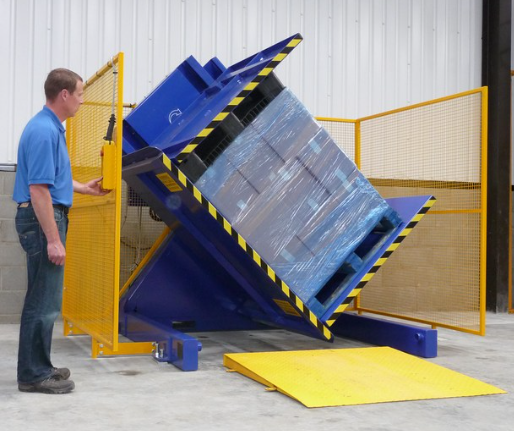

Even with advanced technology, operator skill and knowledge are crucial for optimizing pallet inverter performance, especially with variable load weights.
- Load Assessment Training: Train operators to assess load characteristics, including estimated weight, stability, and fragility, before initiating the inversion process.
- Clamp Pressure Adjustment Procedures: Provide clear and practical training on how to adjust clamp pressure settings based on load assessments. Emphasize the importance of finding the right balance between secure clamping and avoiding product damage.
- Safe Operating Procedures: Reinforce safe operating procedures, including proper load placement, emergency stop procedures, and awareness of potential hazards associated with variable loads.
- Troubleshooting and Reporting Protocols: Train operators to identify and troubleshoot common issues and establish clear protocols for reporting malfunctions or concerns.
- Regular Refresher Training: Conduct regular refresher training sessions to reinforce best practices and address any new procedures or equipment updates.
Practical Strategies for Optimizing Performance with Variable Load Weights
Implementing these factors translates into practical strategies for optimizing pallet inverter performance when dealing with variable load weights:
-
Establish Load Weight Categories and Corresponding Settings: Define categories for common load weight ranges encountered in the operation (e.g., light, medium, heavy). Develop recommended clamp pressure, speed, and other setting guidelines for each category. This provides operators with a starting point for adjustments.
-
Implement a Pre-Inversion Load Check Protocol: Before placing a load into the inverter, mandate a quick visual inspection and, if possible, a weight check. This allows operators to anticipate load characteristics and select appropriate settings proactively.
-
Utilize Adjustable Clamp Pressure as a Standard Practice: Train operators to view clamp pressure adjustment as a routine step for each load, rather than a one-time setting. Encourage them to fine-tune pressure based on their load assessment.
-
Incorporate Load Securing Aids for Unstable Loads: Make load straps, stretch wrap, or other securing aids readily available and train operators to use them for loads that appear unstable or loosely packed, regardless of weight.
-
Monitor Cycle Times and Adjust Speeds Accordingly: Track pallet inverter cycle times for different load weight categories. Analyze data to identify potential bottlenecks and optimize rotation speeds within safe operating limits.
-
Regularly Review and Refine Operating Procedures: Periodically review pallet inverter operating procedures and settings based on operational data, operator feedback, and any changes in load types or volumes. Continuously refine procedures to improve efficiency and safety.
-
Maintain Detailed Maintenance Logs: Keep meticulous records of all maintenance activities, inspections, and repairs. This data helps track equipment performance, identify potential issues early, and schedule preventative maintenance effectively.
-
Foster a Culture of Safety and Continuous Improvement: Promote a workplace culture that prioritizes safety and encourages operators to proactively identify and report any concerns related to pallet inverter operation or load handling. Emphasize continuous improvement in processes and procedures.
Benefits of Optimized Pallet Inverter Performance
Optimizing pallet inverter performance for variable load weights yields significant benefits across industrial operations:
- Enhanced Efficiency and Throughput: Reduced cycle times and minimized downtime due to optimized settings and procedures lead to increased throughput and improved overall material handling efficiency.
- Minimized Product Damage and Waste: Precise clamp pressure and stable handling significantly reduce product damage, minimizing waste, rework, and associated costs.
- Improved Workplace Safety: Properly secured and stable loads, combined with well-trained operators and robust safety features, create a safer working environment and reduce the risk of accidents and injuries.
- Extended Equipment Lifespan: Operating the pallet inverter within optimal parameters and with regular maintenance reduces unnecessary wear and tear, extending the equipment's lifespan and maximizing return on investment.
- Reduced Operational Costs: Efficiency gains, reduced product damage, and minimized maintenance translate into significant reductions in overall operational costs, contributing to improved profitability.
Conclusion
Optimizing pallet inverter performance for variable load weights is not merely about adjusting machine settings; it is a holistic approach encompassing equipment selection, operational procedures, operator training, and proactive maintenance. By understanding the challenges posed by variable loads and implementing the strategies outlined above, modern machine shops and warehouses can unlock the full potential of their pallet inverters. This optimization translates to enhanced efficiency, reduced costs, improved safety, and a more streamlined and productive material handling operation, essential for success in today's competitive industrial landscape.