

How to Optimize Pallet Inverter Performance for High-Speed Distribution Centers?
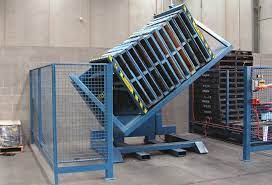
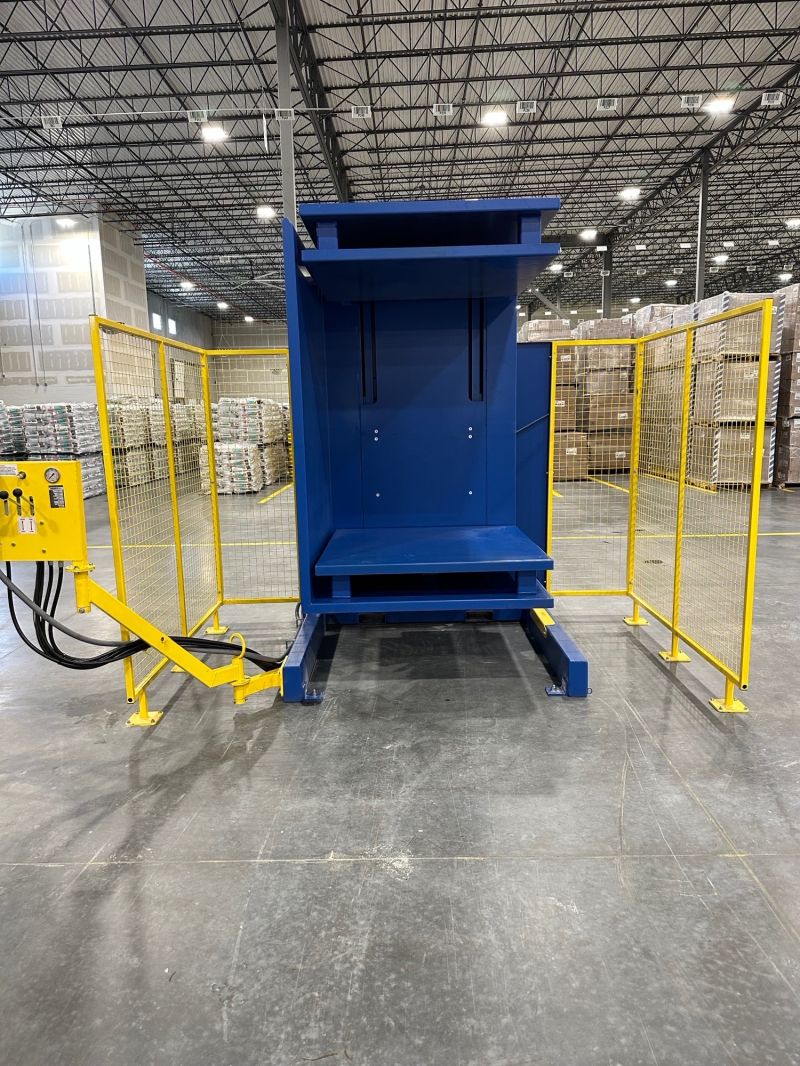
Optimizing pallet inverter performance in high-speed distribution centers is crucial for maximizing throughput, reducing operational costs, and enhancing safety. Pallet inverters are indispensable tools for modern distribution centers, streamlining material handling by efficiently rotating and transferring palletized goods. To ensure these machines operate at peak efficiency in demanding, fast-paced environments, several key strategies must be implemented, focusing on selection, maintenance, operation, and integration.
Understanding the Critical Role of Pallet Inverters in High-Speed Distribution
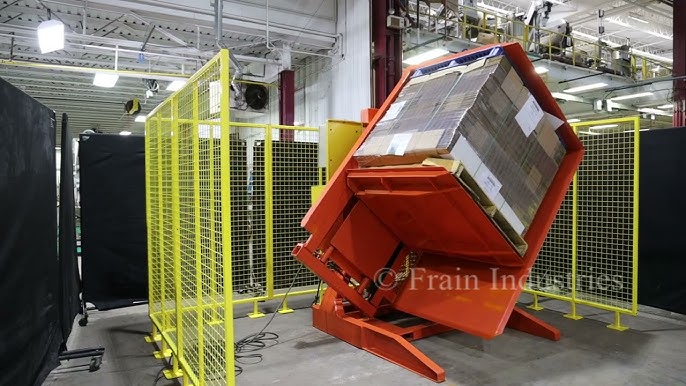
High-speed distribution centers face immense pressure to move goods swiftly and accurately. The sheer volume of products flowing through these facilities necessitates optimized processes at every stage. Pallet inverters play a vital role in this ecosystem by enabling quick and safe pallet exchange, content inversion for various purposes like removing damaged goods from the bottom of a stack, or switching to different pallet types for onward transportation or storage.
In environments where time is of the essence, manual pallet handling becomes a bottleneck, leading to delays, increased labor costs, and a higher risk of product damage and workplace injuries. Pallet inverters directly address these challenges by automating and accelerating pallet handling tasks. Their ability to quickly rotate or flip pallet loads is essential for tasks such as:
- Damaged Pallet Replacement: Efficiently swapping out broken or unsuitable pallets without manual restacking.
- Load Transfer: Switching goods from in-house pallets to shipping pallets or vice versa, crucial for different stages of the supply chain.
- Product Recovery: Accessing goods at the bottom of a pallet load without extensive manual labor, particularly useful for industries dealing with perishable or fragile items.
- Batch Inversion: Rotating entire pallet loads for specific processing needs, common in food and beverage, and pharmaceutical industries.
The integration of pallet inverters into high-speed distribution centers is not merely about mechanization; it's about strategic optimization to enhance overall operational velocity and accuracy.

Key Strategies for Enhancing Pallet Inverter Performance

To maximize the benefits of pallet inverters in high-speed distribution centers, a multifaceted approach is required, encompassing equipment selection, operational best practices, and proactive maintenance.
Selecting the Right Pallet Inverter for High-Speed Operations

The foundation of optimal performance lies in choosing the correct type of pallet inverter tailored to the specific demands of a high-speed distribution center. Factors to consider include:
- Type of Inverter: For high-throughput environments, stationary pallet inverters are generally preferred over portable models due to their robust construction, higher load capacity, and ability to integrate into automated lines. Inline pallet inverters, designed for seamless integration into conveyor systems, offer the highest level of automation and speed for continuous operations.
- Load Capacity and Size: Accurately assess the maximum weight and dimensions of pallet loads handled in the distribution center. Selecting an inverter with adequate capacity ensures safe and efficient operation without overloading, which can lead to breakdowns and safety hazards.
- Speed and Cycle Time: Evaluate the required cycle time for pallet inversion. High-speed distribution centers need inverters capable of quick and seamless operation. Look for models with fast clamping mechanisms and efficient hydraulic systems to minimize cycle times and maximize throughput.
- Customization and Features: Consider customization options that enhance efficiency and safety. Features like adjustable clamping mechanisms to accommodate various pallet sizes, safety interlocks, and user-friendly control panels are crucial for optimizing performance and operator safety.
- Integration Capability: Ensure the chosen pallet inverter can be seamlessly integrated with existing material handling equipment such as forklifts, conveyors, and automated guided vehicles (AGVs). This integration is vital for creating a smooth and efficient workflow within the distribution center.
Implementing a Rigorous Maintenance Schedule
Regular and preventative maintenance is paramount for ensuring the longevity, reliability, and consistent performance of pallet inverters in demanding distribution environments. A well-defined maintenance schedule should include:
- Daily Inspections: Operators should conduct daily pre-shift checks to identify any visible damage, loose components, or hydraulic leaks. This proactive approach can catch minor issues before they escalate into major problems.
- Regular Lubrication: Moving parts, especially in the clamping mechanism and hydraulic system, require regular lubrication to minimize friction and wear. Adhering to the manufacturer's recommended lubrication schedule is crucial.
- Hydraulic System Checks: The hydraulic system is the heart of a pallet inverter. Regular checks of hydraulic fluid levels, hose condition, and pump pressure are essential to ensure smooth and powerful operation.
- Clamping Mechanism Adjustments: The clamping mechanism should be regularly inspected and adjusted to ensure it securely holds various pallet sizes without damaging the loads.
- Professional Servicing: Schedule periodic professional servicing by qualified technicians. These services should include in-depth inspections, component replacements as needed, and system calibration to maintain optimal performance and safety.
Emphasizing Operator Training and Safety Protocols
Even the most advanced pallet inverter is only as effective as its operator. Comprehensive training and strict adherence to safety protocols are crucial for maximizing performance and minimizing risks.
- Comprehensive Training Programs: Develop thorough training programs for all operators, covering safe operation procedures, routine maintenance tasks, emergency procedures, and troubleshooting common issues.
- Safety Procedure Enforcement: Implement and strictly enforce safety protocols, including pre-operation checklists, proper personal protective equipment (PPE) usage, and clear guidelines for load limits and handling procedures.
- Regular Safety Audits: Conduct regular safety audits to ensure operators are adhering to procedures and to identify any potential safety hazards related to pallet inverter operation.
- Ergonomic Considerations: Optimize the inverter's operating environment to minimize operator fatigue and strain. This includes ensuring proper lighting, clear visibility, and ergonomically designed control panels.
Optimizing Integration with Material Handling Systems
Pallet inverters do not operate in isolation within a high-speed distribution center. Their performance is significantly influenced by how well they are integrated with other material handling systems.
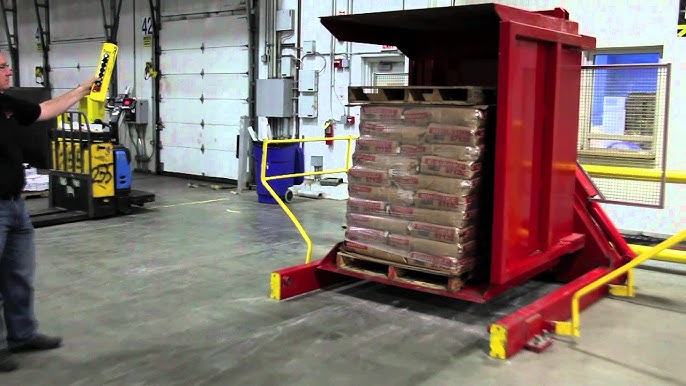
- Forklift Compatibility: Ensure seamless compatibility with forklifts used in the distribution center. Clear pathways, adequate space for maneuvering, and proper forklift attachments for pallet handling are essential.
- Conveyor System Integration: For maximum efficiency, especially in inline inverter setups, integrate pallet inverters with conveyor systems. This allows for automated pallet feeding and removal, minimizing manual intervention and maximizing throughput.
- Automated Systems Integration: In advanced distribution centers, pallet inverters can be integrated with broader automation systems, including warehouse management systems (WMS) and automated guided vehicles (AGVs). This level of integration enables data-driven optimization and real-time monitoring of pallet handling processes.
Leveraging Automation and Data Monitoring
Modern pallet inverters offer advanced automation features and data monitoring capabilities that can be leveraged to further optimize performance.
- Programmable Controls: Utilize programmable controls to optimize inversion cycles for different load types and operational needs. Pre-set programs can streamline operations and reduce operator errors.
- Sensor Technology: Employ sensors for load detection, safety interlocks, and cycle monitoring. Sensors enhance safety and provide valuable data for performance analysis.
- Data Logging and Analytics: Utilize data logging capabilities to track cycle times, error rates, and maintenance intervals. Analyzing this data can identify bottlenecks, optimize maintenance schedules, and pinpoint areas for performance improvement.
- Remote Monitoring: Consider remote monitoring systems for real-time performance tracking and diagnostics. Remote monitoring allows for proactive maintenance and faster response to potential issues, minimizing downtime.
Maximizing Pallet Inverter Capacity in Demanding Environments
Capacity optimization in high-speed distribution centers goes beyond just load weight; it involves maximizing throughput and minimizing cycle times.
Load Capacity and Size Matching
While selecting an inverter with sufficient load capacity is fundamental, it’s equally important to ensure the inverter is appropriately sized for the typical pallet loads handled. Overly large inverters for consistently smaller loads can lead to inefficiencies in cycle times. Analyze load profiles to select inverters that are optimally matched to the distribution center's needs.
Cycle Time Reduction Strategies
Minimizing cycle time is crucial for maximizing throughput in high-speed environments. Strategies to reduce cycle times include:
- Speed Optimization: Fine-tune hydraulic system settings to achieve the fastest safe inversion speeds for typical loads.
- Efficient Clamping Sequences: Optimize clamping and unclamping sequences to minimize non-productive time within the inversion cycle.
- Automated Infeed and Outfeed: Integrating with conveyors or automated systems for pallet infeed and outfeed eliminates manual loading and unloading delays, significantly reducing overall cycle times.
Realizing the Benefits of Optimized Pallet Inverter Performance
Optimizing pallet inverter performance in high-speed distribution centers translates directly into tangible benefits across key operational metrics.
Increased Throughput and Operational Efficiency
Optimized pallet inverters contribute directly to increased throughput by reducing pallet handling times, minimizing bottlenecks, and enabling smoother material flow. This enhanced efficiency allows distribution centers to process higher volumes of goods in shorter timeframes, improving overall operational velocity.
Reduced Operational Costs
Performance optimization leads to significant cost reductions in several areas:
- Labor Cost Savings: Automation and efficiency gains reduce the reliance on manual labor for pallet handling.
- Minimized Product Damage: Safe and controlled inversion reduces the risk of product damage associated with manual handling.
- Reduced Downtime Costs: Proactive maintenance and efficient operation minimize breakdowns and downtime, ensuring continuous operation.
- Energy Efficiency: Optimized hydraulic systems and efficient operation can contribute to reduced energy consumption.
Enhanced Safety and Improved Workplace Environment
Prioritizing safety in pallet inverter operation leads to a safer workplace environment, reducing the risk of accidents and injuries associated with manual pallet handling. This not only protects employees but also contributes to improved morale and reduced lost time due to workplace incidents.
Conclusion
Optimizing pallet inverter performance in high-speed distribution centers is not a one-time task, but an ongoing process of strategic planning, meticulous maintenance, and continuous improvement. By carefully selecting the right equipment, implementing rigorous maintenance schedules, prioritizing operator training and safety, and strategically integrating pallet inverters into broader material handling systems, distribution centers can unlock significant gains in throughput, efficiency, safety, and cost-effectiveness. Ultimately, optimizing pallet inverter performance in high-speed distribution centers is crucial for maximizing throughput, reducing operational costs, and enhancing safety, ensuring these facilities can meet the ever-increasing demands of modern supply chains.