

How to Optimize Pallet Inverter Performance for Cold Chain Operations?
To optimize pallet inverter performance for cold chain operations, focus on speed, safety, and product integrity. Utilizing inline models, ensuring regular maintenance, and choosing the right inverter for the load are key for efficient and safe cold storage workflows.
Understanding the Critical Role of Pallet Inverters in the Cold Chain
In the intricate dance of cold chain logistics, maintaining temperature integrity is paramount. From pharmaceuticals to frozen foods, the cold chain safeguards product quality and consumer safety. Within this temperature-controlled ecosystem, pallet inverters emerge as indispensable tools, streamlining material handling and enhancing operational efficiency. These machines, sometimes referred to as pallet flippers or tippers, are far more than mere conveniences; they are strategic assets that directly impact the bottom line and the integrity of temperature-sensitive goods.

The Unique Demands of Cold Chain Operations
Cold storage warehouses operate under a unique set of constraints. The sub-zero temperatures, while essential for preservation, present challenges for both equipment and personnel. Manual handling in these environments is not only slow and inefficient but also poses significant risks to worker safety and product integrity. Condensation, ice build-up, and the need for rapid throughput amplify the complexities.
Moreover, the products within the cold chain – food, pharmaceuticals, chemicals – often have stringent handling requirements. Damage can lead to spoilage, regulatory non-compliance, and significant financial losses. Therefore, any equipment deployed in cold storage must be robust, reliable, and designed to minimize product handling and exposure to temperature fluctuations.

Pallet Inverters: A Cold Chain Efficiency Booster
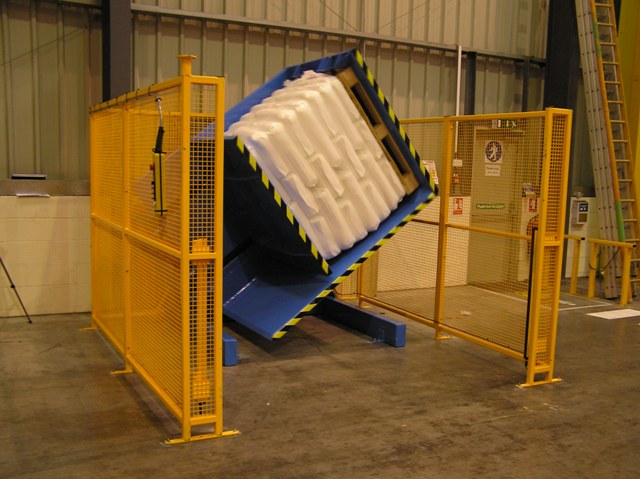
Pallet inverters address many of these challenges head-on. Their primary function – to efficiently rotate or invert palletized loads – unlocks a range of benefits specifically tailored to cold chain needs:
-
Enhanced Efficiency and Speed: Manual pallet restacking or transfer in freezing conditions is time-consuming and labor-intensive. Pallet inverters automate this process, significantly accelerating pallet exchange, product rotation, and damaged goods retrieval. Inline models, in particular, can integrate seamlessly into automated conveyor systems, creating a continuous and rapid flow of goods.
-
Improved Safety and Ergonomics: Cold storage environments are inherently hazardous. Slippery floors, heavy lifting in bulky cold-weather gear, and exposure to freezing temperatures increase the risk of workplace injuries. Pallet inverters minimize manual handling, reducing strain on workers and significantly decreasing the potential for accidents associated with lifting, twisting, and maneuvering heavy loads.
-
Maintaining Product Integrity: Every manual touchpoint in the cold chain increases the risk of product damage and temperature compromise. Pallet inverters handle loads with precision and stability, minimizing the chance of shifting, crushing, or dropping temperature-sensitive products. By facilitating quick pallet exchange, they also reduce the time products are exposed to ambient temperatures during handling processes.
-
Optimized Space Utilization: Efficient pallet handling contributes to better space management within cold storage facilities. Pallet inverters enable organized and compact storage, maximizing valuable cubic footage and improving overall warehouse density.
-
Cost Reduction: The combined benefits of increased efficiency, reduced labor costs, minimized product damage, and improved safety translate directly into significant cost savings for cold chain operators. Reduced downtime, fewer worker injuries, and lower product loss rates contribute to a healthier bottom line.

Key Strategies for Optimizing Pallet Inverter Performance in Cold Chain
To fully leverage the potential of pallet inverters in cold chain operations, a strategic approach to optimization is essential. Here are key areas to focus on:
1. Selecting the Right Type of Pallet Inverter
The market offers various types of pallet inverters, each with specific strengths. Choosing the right type for your cold chain operations is crucial:
-
Inline Pallet Inverters: For high-throughput, automated cold storage facilities, inline pallet inverters are the gold standard. Designed for seamless integration with conveyor systems, they provide continuous, high-speed pallet inversion without interrupting the flow of goods. This is particularly beneficial for large-scale operations handling consistent product volumes.
-
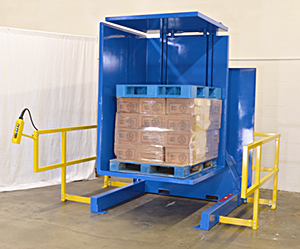
Stationary Pallet Inverters: Stationary models offer robustness and versatility for a wide range of cold storage applications. They are ideal for dedicated pallet exchange stations or areas where load types and sizes vary. Consider single clamp models for simplicity and efficiency or dual clamp models for handling loads with varying heights.
-
Mobile Pallet Inverters: For facilities with limited space or the need for flexible inverter placement, mobile pallet inverters provide an adaptable solution. Equipped with wheels, they can be easily moved to different locations within the cold storage facility, offering on-demand pallet inversion where needed.
-
Forklift Pallet Inverters: Forklift-attachable inverters leverage existing forklift fleets to provide a cost-effective and versatile pallet inversion capability. They are well-suited for operations where forklift usage is already prevalent and offer flexibility in moving the inverter to different work areas.

2. Prioritizing Speed and Throughput
In the fast-paced environment of cold chain logistics, speed is of the essence. Optimizing pallet inverter performance for speed involves:
-
Choosing High-Speed Models: When selecting inverters, prioritize models known for their rapid cycle times. Inline and automated systems are generally designed for maximum throughput.
-
Optimizing Workflow Integration: Ensure seamless integration of pallet inverters into the overall cold chain workflow. This includes efficient loading and unloading processes, minimizing bottlenecks, and streamlining the movement of goods to and from the inverter.
-
Automation Where Possible: Implementing automation wherever feasible can dramatically improve speed and consistency. Automated pallet loading, inversion, and unloading systems minimize manual intervention and maximize throughput.
3. Enhancing Safety in Freezing Environments
Safety is paramount, especially in demanding cold storage settings. Optimization for safety includes:
-
Investing in Ergonomic Designs: Choose pallet inverters with user-friendly controls, safety guards, and features that minimize physical strain on operators. Ground-level loading models can further reduce lifting requirements.
-
Implementing Safety Features: Ensure inverters are equipped with essential safety features such as emergency stop buttons, overload protection, and foot obstruction sensors to prevent accidents and injuries.
-
Providing Proper Training: Thoroughly train operators on the safe and efficient operation of pallet inverters, emphasizing cold storage-specific safety protocols and best practices.
4. Maintaining Product Temperature Integrity
Preserving product temperature is non-negotiable in the cold chain. Pallet inverter optimization for temperature integrity involves:
-
Minimizing Exposure Time: Streamline pallet inversion processes to minimize the time products are outside of controlled temperature zones. Faster cycle times and efficient workflows are key.
-
Utilizing Freezer Spacers Effectively: Pallet inverters can be integrated with freezer spacer handling systems, allowing for the efficient insertion and removal of spacers that are crucial for maintaining airflow and consistent freezing temperatures throughout pallet loads.
-
Temperature Monitoring: Implement temperature monitoring systems to track product temperatures throughout the pallet inversion process, ensuring that temperature excursions are minimized and addressed promptly.
5. Ensuring Regular Maintenance and Durability
Cold storage environments can be harsh on equipment. Optimizing pallet inverter performance requires a focus on maintenance and durability:
-
Choosing Robust, Cold-Rated Equipment: Select pallet inverters designed and built to withstand the rigors of cold storage environments, including low temperatures, humidity, and potential condensation.
-
Implementing Preventative Maintenance Programs: Establish regular maintenance schedules to inspect, lubricate, and service pallet inverters according to manufacturer recommendations. Proactive maintenance minimizes downtime and extends equipment lifespan.
-
Prompt Repairs and Servicing: Have a plan in place for prompt repairs and servicing to address any equipment malfunctions quickly and minimize disruptions to cold chain operations.
Best Practices for Cold Chain Pallet Inverter Operations
Beyond equipment selection and maintenance, operational best practices are crucial for maximizing pallet inverter performance:
-
Standardize Pallet Types: Using consistent pallet types simplifies inverter operation and ensures compatibility, reducing the risk of jams or inefficiencies. Plastic pallets, while potentially more expensive upfront, offer advantages in hygiene and durability in cold storage.
-
Optimize Load Configuration: Properly stacking and configuring pallet loads enhances stability during inversion and minimizes product damage. Train staff on best practices for load building to maximize inverter effectiveness.
-
Regularly Assess Performance: Periodically evaluate pallet inverter performance metrics such as cycle times, throughput, and downtime. Identify areas for improvement and implement adjustments to optimize efficiency.
-
Embrace Automation Where Feasible: Explore opportunities to further automate pallet inverter operations, such as integrating with automated guided vehicles (AGVs) or robotic systems, to further enhance speed and reduce labor requirements.
Conclusion: Investing in Optimized Pallet Inverter Performance for Cold Chain Excellence
Optimizing pallet inverter performance is not merely about speed; it's about creating a holistic system that enhances efficiency, safety, product integrity, and cost-effectiveness within the demanding cold chain environment. By strategically selecting the right equipment, prioritizing maintenance, and implementing best practices, cold storage operators can transform pallet inverters from simple machines into powerful assets that drive operational excellence and safeguard the integrity of temperature-sensitive goods. Investing in optimized pallet inverter performance is an investment in cold chain resilience and long-term success。