

How to Improve Pallet Inverter Efficiency in Low-Light Environments?
Optimizing pallet inverter efficiency in low-light environments is crucial for maintaining productivity and safety in warehouses and industrial facilities. Implementing enhanced lighting, reflective safety measures, and technology integrations ensures seamless operations even when visibility is limited, boosting throughput and minimizing workplace incidents. This article explores practical strategies to maximize pallet inverter performance in low-light conditions.

The Overlooked Challenge: Low-Light Efficiency in Pallet Inverter Operations
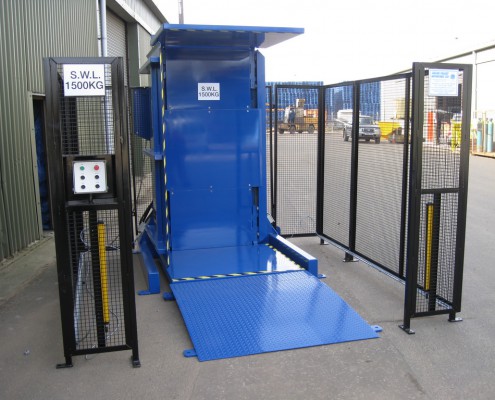
Pallet inverters are indispensable tools in modern material handling, revolutionizing how industries manage and manipulate palletized goods. From warehouses and distribution centers to manufacturing plants and logistics hubs, these machines boost efficiency, enhance safety, and optimize space utilization. However, a frequently underestimated factor impacting their performance is the ambient lighting, particularly in low-light environments. While the focus often remains on the inverter's mechanical capabilities and load capacity, inadequate lighting can significantly hinder operational efficiency and safety, especially during critical periods like night shifts or in facilities with inherent shadow zones.
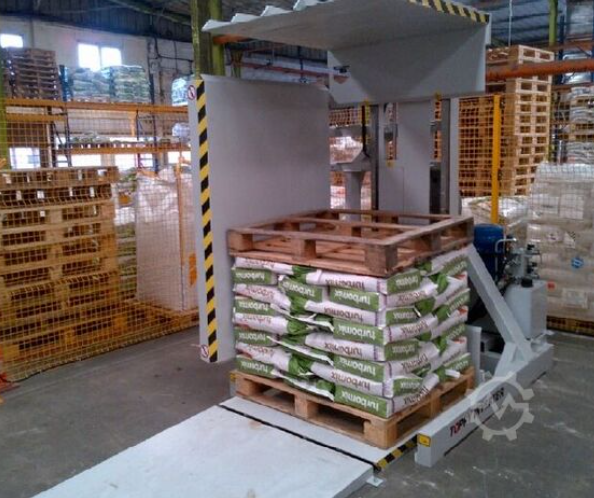
Low-light conditions present a unique set of challenges for pallet inverter operations. Reduced visibility can slow down cycle times, increase the risk of accidents, and strain operators' precision and focus. This not only impacts throughput but also raises concerns about product damage and employee well-being. Addressing these challenges requires a comprehensive approach that integrates optimized lighting solutions, enhanced safety protocols, and smart technology applications, ensuring pallet inverters operate at peak efficiency regardless of the ambient light level.
Understanding the Impact of Low Light on Pallet Inverter Performance
The impact of low-light conditions on pallet inverter efficiency extends beyond mere visibility. It directly affects several key operational aspects:

Reduced Operational Speed and Precision
Inadequate lighting directly impairs an operator's ability to accurately position pallets and monitor the inverter's operation. Tasks that are swift and seamless under bright conditions become slower and more cumbersome in low light. Operators may need to take extra time to ensure correct pallet alignment, secure clamping, and monitor the inversion process, leading to longer cycle times and reduced throughput. Precision is also compromised; in dim environments, judging distances and clearances becomes more challenging, increasing the risk of misalignment and operational errors.
Increased Safety Risks and Workplace Accidents
Safety is paramount in any industrial operation, and low light significantly amplifies workplace hazards around pallet inverters. Reduced visibility makes it harder for operators and nearby personnel to identify potential obstacles, pinch points, and moving parts of the machinery. This can lead to increased risks of collisions, trips, and entanglement, resulting in workplace accidents and potential injuries. Furthermore, in emergency situations, poor lighting can impede quick responses and evacuations, exacerbating the consequences of any incident.
Operator Strain and Fatigue
Operating machinery in low-light conditions places additional strain on operators' eyes and cognitive functions. The constant need to strain for visibility can lead to eye fatigue, headaches, and decreased concentration. This fatigue not only affects immediate performance but also contributes to long-term health issues and reduced job satisfaction. Operators experiencing fatigue are also more prone to errors and accidents, further compromising both efficiency and safety.
Difficulty in Maintenance and Inspections
Regular maintenance is crucial for ensuring the longevity and safe operation of pallet inverters. However, low-light conditions make routine inspections and maintenance tasks more difficult and less effective. Identifying potential wear and tear, leaks, or component issues becomes challenging when visibility is limited. This can lead to delayed maintenance, potentially escalating minor issues into major malfunctions, resulting in costly downtime and repairs.
Strategies to Enhance Pallet Inverter Efficiency in Low-Light Environments
To effectively counter the negative impacts of low-light conditions, a multi-faceted approach focusing on lighting, visual aids, technology, and training is essential:

Implement Enhanced and Task-Specific Lighting Solutions
The most direct solution to low-light challenges is to improve illumination. However, a blanket approach to lighting may not be the most efficient or effective. Instead, focus on task-specific lighting solutions:
- Direct Task Lighting: Install adjustable spotlights or LED task lights directly at the pallet inverter operation zone. These lights should be positioned to illuminate the loading area, clamping mechanism, and inversion zone, providing operators with focused and bright light where it's needed most. Ensure these lights are robust enough to withstand industrial environments and are adjustable to minimize glare.
- Ambient Lighting Upgrade: Consider upgrading the overall ambient lighting in the warehouse or facility to a higher lumen output and better color rendering index (CRI). LED lighting is an excellent choice due to its energy efficiency, long lifespan, and superior light quality compared to traditional lighting systems. Well-distributed ambient lighting reduces shadows and improves overall visibility across the operational area.
- Emergency Lighting Systems: Ensure robust emergency lighting systems are in place and regularly tested. These systems should provide sufficient illumination for safe operation shutdown and emergency egress in case of power outages or lighting failures.
Utilize Reflective Markings and Visual Aids
Complementing lighting improvements with visual aids can further enhance visibility and safety:
- Reflective Safety Tapes: Apply high-visibility reflective tapes to the edges of the pallet inverter, safety barriers, and surrounding structures. These tapes dramatically increase visibility, especially when illuminated by headlights or task lights, making the equipment and potential hazards easily discernible even in dim conditions.
- Floor Markings and Safety Signage: Use bright, reflective floor markings to clearly delineate operational zones, pedestrian walkways, and no-go areas around the pallet inverter. Install well-lit safety signage with clear, concise instructions and warnings. Reflective signage ensures critical information remains visible in low light.
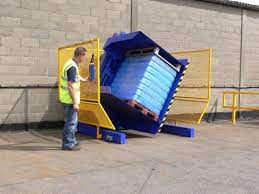
- High-Visibility Clothing for Operators: Equip pallet inverter operators and nearby personnel with high-visibility safety vests or clothing. This makes them easily visible to each other and forklift drivers, reducing the risk of collisions and accidents in low-light areas.
Integrate Technology for Enhanced Visibility and Automation
Leveraging technology can significantly improve pallet inverter efficiency and safety in low-light environments:
- Sensor-Based Lighting Automation: Implement motion-activated or proximity sensor-based lighting systems that automatically brighten the area when operators or forklifts approach the pallet inverter. This conserves energy and provides targeted illumination precisely when and where it's needed, avoiding constant bright light which can also be fatiguing.
- Camera and Monitor Systems: Install cameras focused on critical operational areas of the pallet inverter, particularly pinch points and load alignment zones. These cameras can feed live video to monitors in the operator's station or a central control room, providing enhanced visibility beyond direct line of sight, especially useful in low-light or obstructed areas.
- Automated Pallet Inverter Systems: Consider upgrading to semi-automatic or fully automatic pallet inverter systems. Automation reduces the reliance on manual operation, minimizing human error and improving consistency, regardless of lighting conditions. Automated systems often incorporate sensors and safety features that enhance performance and safety in all environments.
Optimize Maintenance Schedules and Low-Light Inspections
Adjust maintenance schedules and inspection protocols to specifically address the challenges of low-light environments:
- Routine Lighting System Checks: Incorporate regular checks of all lighting systems, including task lights, ambient lighting, and emergency lights, into the preventative maintenance schedule. Promptly replace burnt-out bulbs or faulty fixtures to maintain optimal illumination levels.
- Enhanced Inspection Protocols: Train maintenance personnel to conduct thorough inspections even in low-light conditions. Provide them with portable, high-powered inspection lights and tools to effectively identify potential issues. Schedule more frequent inspections during seasons or periods when low-light conditions are more prevalent.
- Night Shift Specific Maintenance: If pallet inverter operations run during night shifts, schedule dedicated maintenance windows during these times to address any lighting-related issues or conduct inspections under the actual low-light operating conditions.
Comprehensive Employee Training Focused on Low-Light Operations
Training is paramount to ensuring operators can work safely and efficiently in all lighting conditions:
- Low-Light Operation Modules: Incorporate specific training modules on operating pallet inverters safely and efficiently in low-light environments. This training should cover adjusted operational procedures, increased awareness of hazards, proper use of task lighting, and the importance of visual aids.
- Emergency Procedures in Low Light: Emphasize emergency procedures specific to low-light conditions, including emergency shutdown protocols, evacuation routes, and communication methods in case of incidents. Conduct drills in simulated low-light environments to reinforce these procedures.
- Fatigue Management Training: Educate operators about the risks of fatigue in low-light conditions and strategies for managing it. This includes encouraging regular breaks, proper posture, and techniques to minimize eye strain.
Choosing the Right Pallet Inverter for Consistent Performance
When selecting a pallet inverter, consider features that contribute to consistent performance and safety across various lighting conditions:
- Integrated Lighting Options: Opt for pallet inverter models that offer integrated task lighting as a standard or optional feature. Factory-integrated lighting is often designed for optimal positioning and durability within the machine's structure.
- User-Friendly Controls and Interfaces: Choose inverters with clear, intuitive controls and user interfaces that are easy to operate even in reduced visibility. Well-designed control panels with tactile buttons or illuminated displays improve operator accuracy and reduce errors.
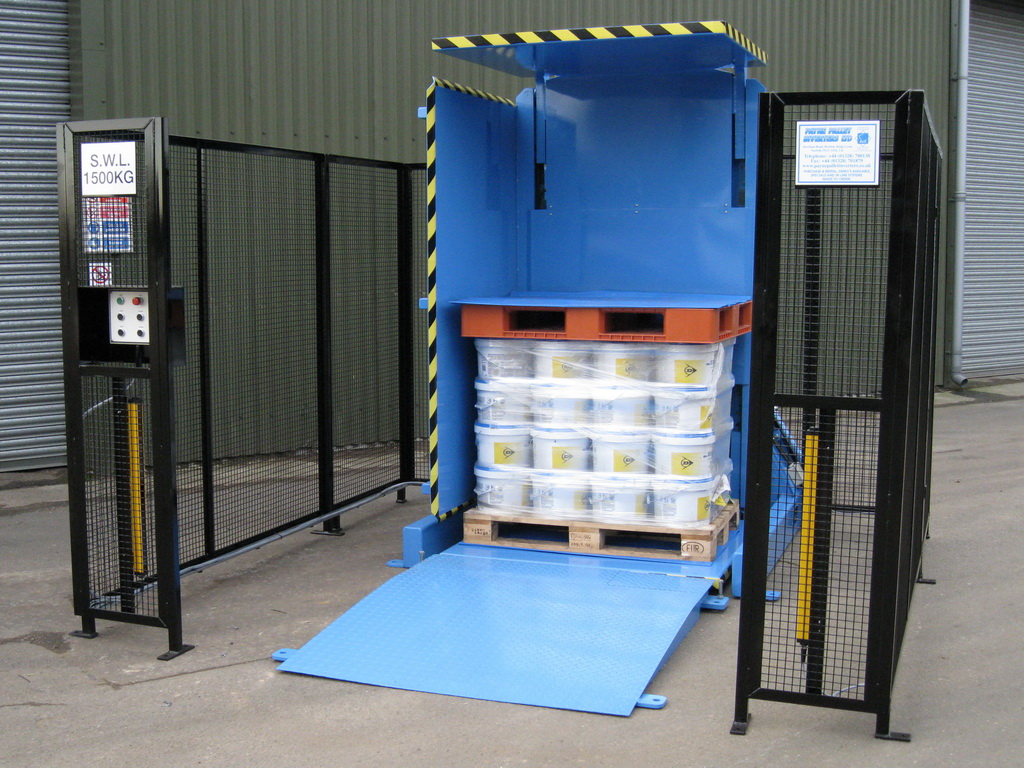
- Robust Safety Features: Prioritize inverters equipped with comprehensive safety features, such as light curtains, emergency stop buttons, and safety interlocks. These features are crucial for mitigating risks regardless of lighting conditions, but become especially vital in low-light environments where visibility is compromised.
Conclusion: Illuminating the Path to Pallet Inverter Efficiency
Improving pallet inverter efficiency in low-light environments is not merely about adding more lights; it's a holistic approach that integrates lighting solutions, visual aids, technology, optimized maintenance, and targeted training. By proactively addressing the challenges posed by reduced visibility, industries can ensure their pallet inverter operations remain safe, efficient, and productive around the clock. Investing in these enhancements not only boosts operational throughput and reduces workplace accidents but also demonstrates a commitment to employee well-being and operational excellence in all working conditions. By strategically illuminating the workspace and empowering operators with the right tools and knowledge, businesses can unlock the full potential of their pallet inverters, regardless of the ambient light.