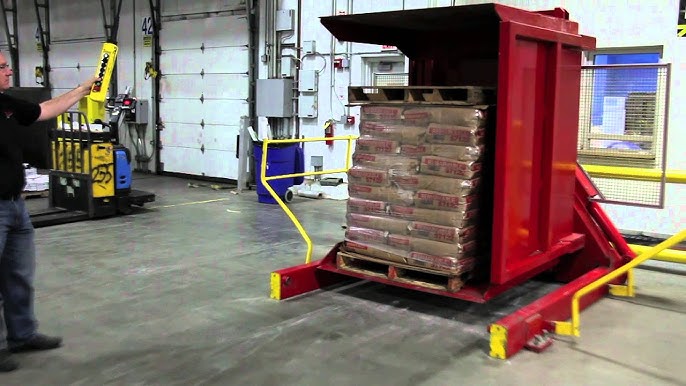
How to Ensure Compliance with Safety Regulations for Pallet Inverters?
To ensure compliance with safety regulations for pallet inverters, prioritize employee training, regular maintenance, and appropriate safety equipment. Adhere to manufacturer guidelines, establish clear operating procedures, and enforce clearance areas. Implement safety protocols, monitor performance, and continuously improve safety measures to protect both employees and products, ensuring a safe and efficient workplace.
Pallet Inverters: Efficiency and Safety Go Hand-in-Hand
Pallet inverters are indispensable tools in modern warehouses and manufacturing facilities, revolutionizing material handling by streamlining the process of pallet transfer, content inversion, and damaged pallet replacement. They offer significant boosts in efficiency, reduce manual labor, and optimize space utilization. However, alongside these benefits, pallet inverters introduce inherent safety considerations that demand meticulous attention. Ensuring compliance with safety regulations is not merely a legal obligation; it's a fundamental commitment to protecting your workforce and safeguarding your operational integrity. This article delves into the essential steps and best practices for achieving and maintaining robust safety compliance for pallet inverter operations.

Understanding the Landscape of Pallet Inverter Safety
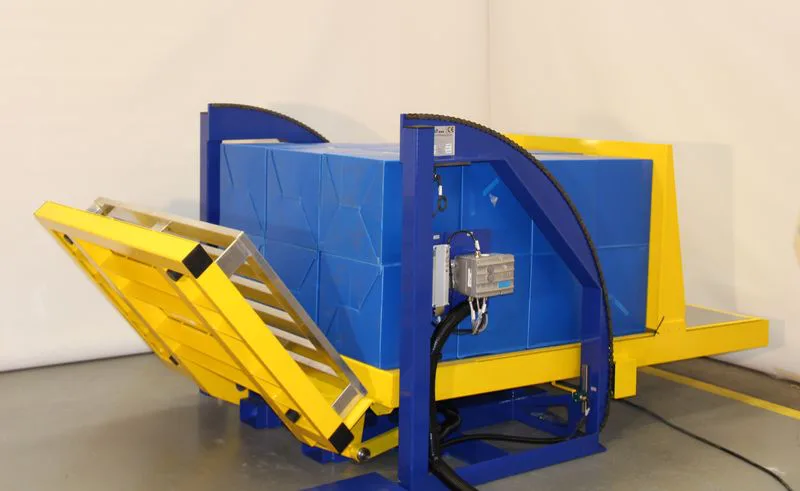
Before implementing safety measures, it’s crucial to understand the specific risks associated with pallet inverters. These powerful machines handle substantial loads, often exceeding 1,500 kg and reaching heights of up to 2 meters. The very nature of their operation – tilting, rotating, and inverting heavy palletized goods – presents potential hazards if not managed correctly.
Identifying Potential Risks: Heavy Loads and Mechanical Operations
The primary risks stem from the movement of heavy loads and the mechanical operation of the inverter itself. Potential hazards include:
- Crushing Injuries: Employees could be caught between moving parts of the inverter or between the inverter and surrounding structures. The heavy loads being handled pose a significant crushing risk.
- Falling Loads: If loads are not properly secured or if the inverter malfunctions, products can fall, causing injury to personnel and damage to goods.
- Impact Injuries: Collisions between the inverter and forklifts, pedestrians, or other equipment can occur if operating areas are not clearly defined and controlled.
- Mechanical Failures: Lack of maintenance or improper operation can lead to mechanical failures, resulting in unexpected movements or collapses of the inverter, posing serious risks.
- Ergonomic Risks (Indirect): While inverters reduce manual lifting, improper training or poorly designed workflows around the inverter can still lead to ergonomic strain if employees are required to perform awkward or repetitive tasks related to loading and unloading.

Navigating Key Safety Regulations and Workplace Standards
Compliance begins with a thorough understanding of the relevant safety regulations and workplace standards. These guidelines are designed to minimize risks and ensure a safe working environment.
Adhering to International and Local Directives
Pallet inverters, like all industrial machinery, must comply with international and local safety directives. A key directive to be aware of is the European Machinery Directive 2006/42/EC (and amendments). This directive outlines essential health and safety requirements for the design and manufacture of machinery to ensure safety within the European Economic Area. Compliance with this directive often results in CE marking, indicating that the equipment meets these essential requirements. It is crucial to ensure that your pallet inverter is CE compliant or adheres to the relevant safety standards in your specific region.
Beyond general machinery directives, local regulations may specify additional requirements for material handling equipment or warehouse safety. Familiarize yourself with your local occupational safety and health administration (OSHA) or equivalent guidelines to ensure complete compliance.
Workplace Safety Standards: A Foundation for Compliance
In addition to machinery-specific directives, broader workplace safety standards form the foundation of a compliant environment. These standards encompass aspects like:
- Risk Assessments: Conducting thorough risk assessments to identify potential hazards associated with pallet inverter operation is a fundamental requirement. This assessment should analyze tasks, equipment, environment, and personnel interactions to pinpoint risks and determine necessary control measures.
- Safe Systems of Work: Developing and implementing safe systems of work is essential. This involves creating documented procedures for all tasks related to pallet inverter operation, from pre-shift checks to emergency shutdown procedures.
- Personal Protective Equipment (PPE): Providing and mandating the use of appropriate PPE is crucial. This typically includes hard helmets, safety glasses, and safety shoes. Depending on the specific environment and risk assessment, gloves and high-visibility clothing may also be necessary.
- Emergency Procedures: Establishing clear emergency procedures and ensuring all employees are trained on them is vital. This includes procedures for equipment malfunction, accidents, and fire emergencies. Emergency stop buttons on the inverter must be readily accessible and regularly tested.
- Regular Inspections and Maintenance Schedules: Implementing a schedule for regular inspections and maintenance is paramount. This proactive approach helps identify potential issues before they become safety hazards.
Implementing Robust Safety Measures: A Step-by-Step Guide
Achieving safety compliance is an ongoing process that requires a multi-faceted approach. Here’s a step-by-step guide to implementing robust safety measures for pallet inverters:

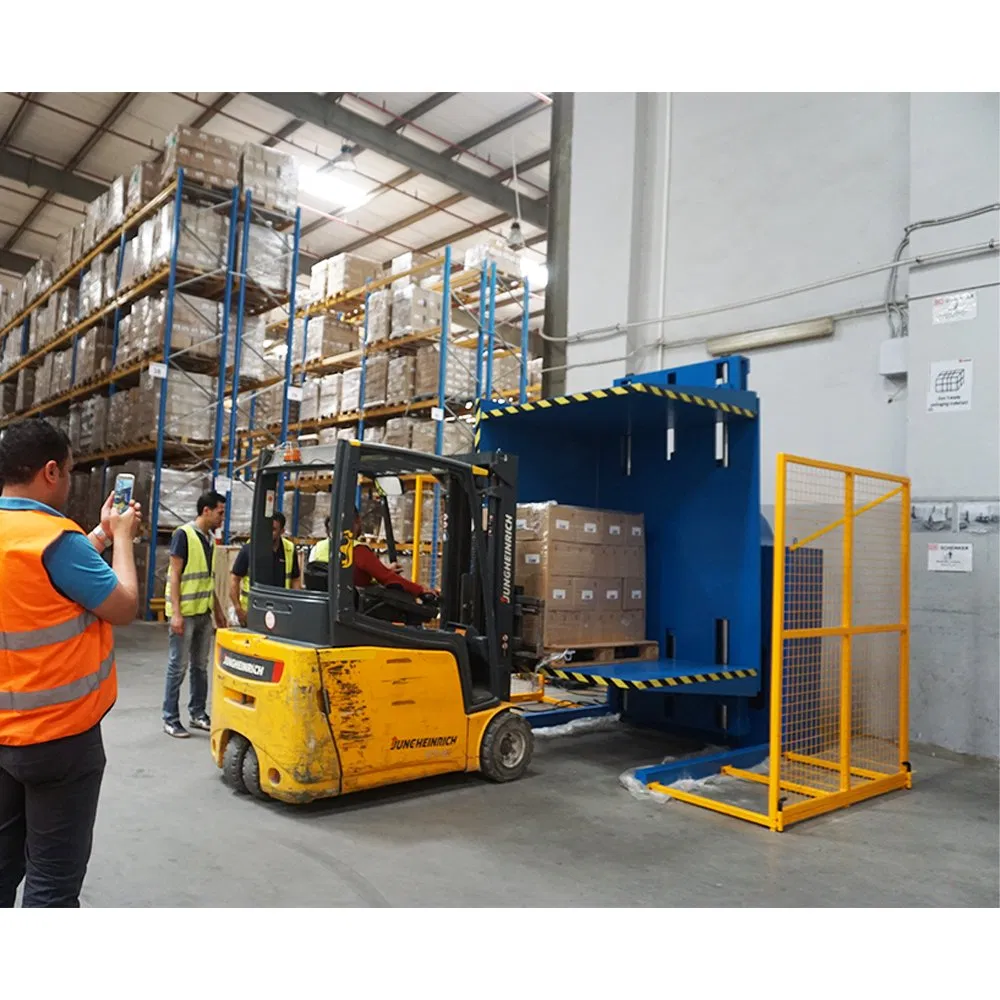
1. Comprehensive Employee Training: Empowering Your Team
Properly trained employees are your first line of defense against accidents. Training should be comprehensive and cover:
- Safe Operation Procedures: Employees must be thoroughly trained on the correct operating procedures for the specific pallet inverter model used in your facility. This includes step-by-step instructions for loading, operating controls, unloading, and emergency procedures.
- Hazard Identification: Training should equip employees to identify potential hazards associated with pallet inverter operation, such as unstable loads, equipment malfunctions, and unsafe proximity.
- Emergency Stop Procedures: Every operator must be proficient in using emergency stop buttons and understand the procedures to follow in emergency situations.
- Pre-Shift Checks: Operators should be trained to perform daily pre-shift checks of the inverter, inspecting for any signs of damage, loose components, or malfunctions before operation begins.
- PPE Requirements: Reinforce the mandatory use of PPE and ensure employees understand why each item is necessary for their safety.
- Clearance Area Enforcement: Training should emphasize the importance of maintaining a clear and defined safety zone around the operating inverter and preventing unauthorized personnel from entering this zone.
Document all training provided and maintain records of employee certifications. Regular refresher training should be conducted to reinforce safety practices and update employees on any changes in procedures or regulations.
2. Regular Maintenance and Inspections: Prevention is Key
Proactive maintenance is critical to preventing equipment malfunctions and ensuring continued safe operation. Establish a schedule for:
- Daily Visual Inspections: Operators should perform daily visual inspections before each shift, checking for obvious signs of damage, leaks, loose parts, or wear and tear.
- Regular Maintenance Checks: Implement a schedule for more in-depth maintenance checks, conducted by trained personnel or qualified technicians. This should include lubrication of moving parts, inspection of hydraulic systems, checking electrical connections, and verifying the integrity of safety guards and emergency stop mechanisms.
- Manufacturer Recommended Maintenance: Adhere strictly to the manufacturer’s recommended maintenance schedule and procedures. Utilize manufacturer-provided maintenance checklists and guidelines.
- Record Keeping: Maintain detailed records of all inspections, maintenance activities, and repairs. This documentation is crucial for demonstrating compliance and tracking equipment condition over time.
Address any identified issues promptly. Do not operate the pallet inverter if it is found to be faulty or in need of repair. Implement a lockout/tagout procedure to prevent accidental operation during maintenance or repair.
3. Essential Safety Equipment and Guarding Systems
Supplementing training and maintenance with appropriate safety equipment and guarding systems is paramount. Consider the following:
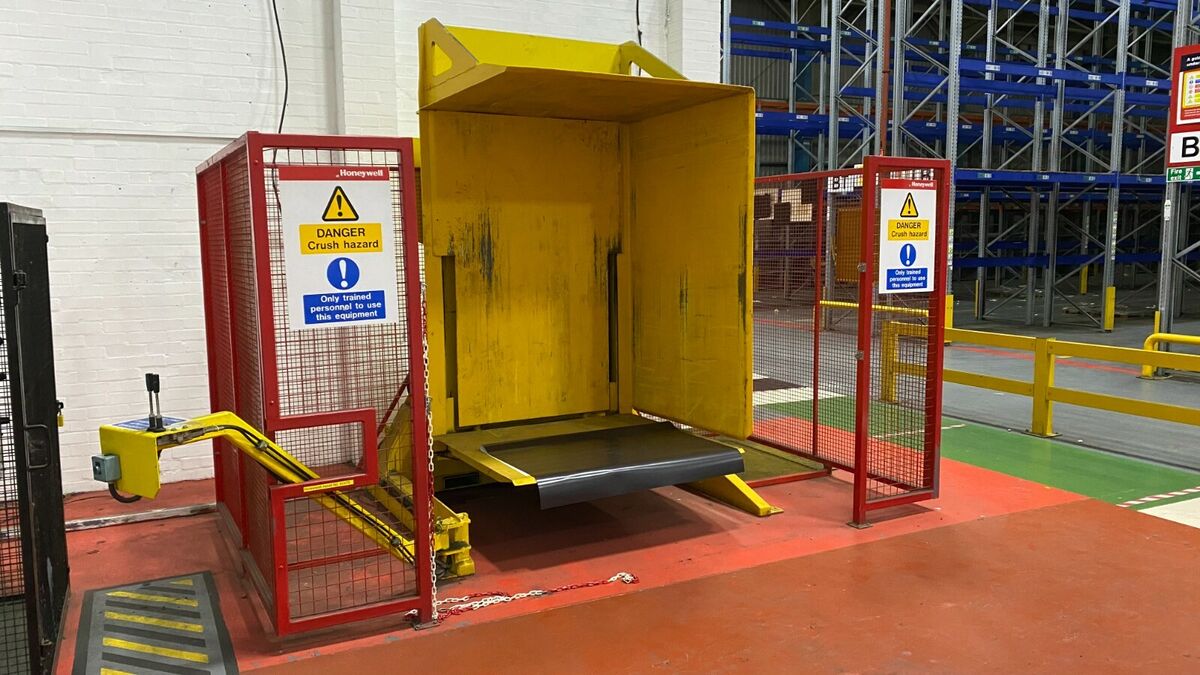
- Safety Guarding: Ensure the pallet inverter is equipped with robust safety guarding to prevent access to moving parts during operation. This may include steel mesh guards, light curtains (photo-electric beams), or interlocked safety gates.
- Steel Mesh Guards: These provide a physical barrier and are often sufficient for basic protection, especially when controls are positioned safely away from moving parts.
- Light Curtains (Photo-electric Beams): These create a virtual safety barrier. If the light beam is broken (e.g., by a person entering the danger zone), the machine automatically stops. Light curtains are often preferred over gates as they do not slow down operations and offer a high level of safety.
- Interlocked Safety Gates: These gates physically prevent access to the inverter when it is operating. They are interlocked with the machine's controls, so the inverter cannot operate unless the gate is closed, and the gate cannot be opened while the machine is in motion.
- Emergency Stop Buttons: Ensure multiple, easily accessible emergency stop buttons are strategically located around the inverter. These buttons must be clearly marked and regularly tested to ensure they function correctly.
- Warning Lights and Audible Alarms: Consider installing warning lights and audible alarms to alert personnel when the inverter is in operation, especially in busy warehouse environments. Audible bleepers can provide an additional warning during machine movement.
- Non-Slip Flooring: Ensure the area around the pallet inverter has non-slip flooring to minimize slip and trip hazards for operators.
- Backup Power Sources: In critical operations, consider backup power sources to ensure safe operation and controlled shutdown in the event of a power outage.
4. Establishing and Enforcing Safe Operating Procedures
Well-defined and strictly enforced safe operating procedures are essential for consistent safety performance. These procedures should include:
- Pre-Use Checks: A checklist for operators to perform before each use, covering visual inspections, control function checks, and ensuring the area is clear.
- Load Securing Procedures: Detailed instructions on how to properly secure different types of loads on the pallet inverter to prevent shifting or falling during inversion. This includes guidelines on appropriate pallet sizes and load distribution.
- Operational Speed Limits: Define safe operating speed limits for the inverter, especially when handling fragile or unstable loads.
- Clearance Zone Management: Strict protocols for maintaining a clearly marked and enforced clearance zone around the inverter during operation. Use floor markings and signage to delineate the safe zone. Implement measures to prevent pedestrian access to the operating area, especially when automated inverters are used.
- Lockout/Tagout Procedures: Implement and enforce lockout/tagout procedures for maintenance and repair work to prevent accidental machine start-up during servicing.
Regularly review and update these procedures to reflect any changes in equipment, processes, or regulations.
5. Prioritizing Product Safety During Inversion Processes
While employee safety is paramount, product safety is also a crucial consideration. Damaged products lead to waste, financial losses, and potential disruptions to supply chains. Safety measures should also encompass product protection:
- Correct Pallet Size and Condition: Always use pallets of the correct size and in good condition. Damaged or poorly constructed pallets can be unstable and pose a risk of load collapse.
- Load Distribution: Train operators to ensure loads are evenly distributed on pallets to maintain stability during inversion. Avoid overloading the inverter beyond its specified capacity.
- Gentle Inversion Techniques: Utilize the inverter’s controls to ensure smooth and controlled inversion movements, especially when handling fragile goods.
- Product-Specific Procedures: Develop specific operating procedures for handling different types of products, considering their fragility, stability, and packaging.
6. Continuous Performance Monitoring and Improvement
Safety compliance is not a static achievement but a continuous process. Implement systems for:
- Incident Reporting and Investigation: Establish a clear system for employees to report any safety incidents, near misses, or concerns. Thoroughly investigate all reported incidents to identify root causes and implement corrective actions.
- Regular Safety Audits: Conduct periodic safety audits of pallet inverter operations to assess compliance with procedures, identify areas for improvement, and verify the effectiveness of safety measures.
- Performance Metrics Tracking: Track relevant safety performance metrics, such as the number of incidents, near misses, and safety training completion rates. Analyze these metrics to identify trends and areas requiring attention.
- Management Review: Regularly review safety performance with management to ensure ongoing commitment to safety and to allocate resources for continuous improvement initiatives.
Choosing the Right Pallet Inverter and Supplier: Due Diligence
Selecting a pallet inverter that inherently prioritizes safety is a proactive step towards compliance.
Selecting Compliant and Certified Equipment
When choosing a pallet inverter, prioritize models that are:
- CE Marked or Certified to Relevant Standards: Ensure the inverter is CE marked or certified to comply with relevant international or local safety standards.
- Equipped with Standard Safety Features: Opt for models that come standard with essential safety features like safety guarding, emergency stop buttons, and overload protection.
- Designed for Safe Operation: Choose inverters designed with user-friendly controls, clear operating instructions, and features that minimize operator error.
Partnering with Reputable Manufacturers
Partnering with reputable manufacturers and suppliers is crucial. Look for companies that:
- Have a Strong Safety Record: Choose suppliers with a demonstrated commitment to safety and a proven track record of producing safe and reliable equipment.
- Offer Comprehensive Training and Support: Select suppliers who provide comprehensive operator training, maintenance guidelines, and ongoing technical support.
- Are Responsive to Safety Concerns: Partner with suppliers who are responsive to safety inquiries and willing to provide assistance in addressing specific safety requirements for your application.
Conclusion: Fostering a Culture of Safety with Pallet Inverters
Ensuring compliance with safety regulations for pallet inverters is an ongoing commitment that requires a proactive, multi-layered approach. By prioritizing employee training, implementing rigorous maintenance schedules, investing in appropriate safety equipment, establishing clear operating procedures, and fostering a culture of continuous improvement, organizations can effectively mitigate the risks associated with pallet inverter operations. This not only ensures compliance with legal obligations but, more importantly, creates a safer, more productive, and more responsible workplace for everyone. Remember, safety is not just a set of rules; it’s a core value that should be deeply embedded in your operational culture.