How to Ensure Compliance with Environmental Sustainability Standards?
Ensuring compliance with environmental sustainability standards is crucial for modern businesses. By implementing employee training, regular maintenance, and robust safety protocols, businesses can effectively minimize risks and uphold environmental responsibility while utilizing pallet inverters. This comprehensive approach not only safeguards operations but also aligns with global sustainability goals.
The Rising Tide of Sustainability in Logistics and Manufacturing
Sustainability is no longer a peripheral concern but a core business imperative, especially within logistics and manufacturing sectors. Consumers are increasingly demanding eco-friendly products and practices, while regulatory bodies worldwide are tightening environmental standards. This dual pressure, coupled with the inherent long-term cost savings and operational efficiencies of sustainable practices, is driving a significant shift across industries. Navigating this evolving landscape requires a proactive approach, and understanding the key regulations and compliance measures is paramount for any forward-thinking organization.
Understanding the Regulatory Labyrinth: Key U.S. Sustainability Regulations
The United States, like many nations, is actively shaping the sustainability landscape through a complex web of regulations. Non-compliance can lead to substantial penalties, impacting both financial stability and brand reputation. For businesses operating in logistics and manufacturing, understanding and adhering to these regulations is not just about avoiding fines; it's about building a resilient and responsible operation.
1. Greenhouse Gas Reporting Program (GHGRP)
The GHGRP, mandated under 40 CFR Part 98, demands that facilities emitting 25,000 metric tons or more of CO2 equivalent annually report their emissions. This includes fuel suppliers and CO2 injection sites. Failure to comply can result in hefty civil and criminal fines, severely damaging a company's financial health and public image. For logistics companies, solutions that track emissions, optimize routes, and enhance communication can be invaluable in reducing their carbon footprint and ensuring GHGRP compliance.
2. Corporate Average Fuel Economy (CAFE) Standards
CAFE standards set fuel efficiency targets for vehicles, including logistics fleets. Companies failing to meet these targets face penalties for each 0.1 mpg shortfall. Investing in fuel-efficient vehicles and implementing advanced solutions for route optimization, fleet management, and predictive analytics are crucial for avoiding CAFE penalties and reducing greenhouse gas emissions.
3. Clean Air Act (CAA)
The Clean Air Act regulates nationwide air pollution, requiring major sources, including logistics operations, to obtain permits with emission limits. Non-compliance can lead to fines of up to $100,000 per day. Implementing emission tracking systems, robust regulatory risk management, and predictive analytics not only ensures compliance but also contributes to cleaner air and public health.
4. Clean Water Act (CWA)
The Clean Water Act mandates strict standards to prevent water pollution from industrial activities. Logistics and manufacturing companies must secure necessary permits and implement effective wastewater management practices. Non-compliance can result in severe penalties, fines, and operational disruptions. Investing in advanced wastewater management technologies protects businesses from penalties and enhances their environmental stewardship reputation.
5. Energy Independence and Security Act (EISA)
EISA promotes reduced petroleum use and increased adoption of alternative fuels, especially for federal agencies. Logistics companies working with federal entities must comply to avoid penalties that can impact federal contracts and funding eligibility. Adopting innovative technologies that improve operational visibility and efficiency, automate compliance processes, and optimize fuel usage is key to EISA compliance.
6. California Air Resources Board (CARB) Regulations
CARB sets stringent air quality standards, particularly impacting logistics operations in California. Compliance with truck and vehicle emission standards is essential for maintaining operational licenses and avoiding penalties. Real-time emissions monitoring, fuel-efficient route optimization, and driver training are crucial for meeting CARB regulations and enhancing brand reputation in environmentally conscious markets.
7. Sustainable Fleet Regulations
Various states have implemented Sustainable Fleet Regulations aimed at reducing emissions from commercial vehicle fleets. Logistics companies must adopt cleaner technologies or face non-compliance penalties. Comprehensive fleet management solutions, route optimization, fuel efficiency improvements, and automated compliance task software are vital for adhering to these regulations, achieving sustainability goals, and improving public image.
8. Resource Conservation and Recovery Act (RCRA)
RCRA governs the proper disposal of solid and hazardous waste, requiring logistics and manufacturing companies to manage hazardous materials responsibly. Non-compliance can lead to significant fines and legal repercussions. Implementing real-time tracking and monitoring of hazardous materials, along with comprehensive compliance management systems, streamlines waste management, automates reporting, and ensures adherence to RCRA standards.
The Business Case for Prioritizing Sustainability: Benefits Beyond Compliance
While avoiding penalties is a primary driver for compliance, prioritizing sustainability offers a wealth of additional benefits. Companies that embrace sustainable practices often see increased customer trust, reduced regulatory risks, and enhanced long-term success. Investing in compliance, sustainability, and employee well-being demonstrates environmental and social responsibility, attracting conscious consumers and investors, and future-proofing operations against evolving regulations.
Leveraging U.S. Incentives for Sustainable Logistics and Manufacturing
The U.S. government offers numerous programs and incentives to encourage sustainable practices in logistics and manufacturing. Strategically leveraging these can significantly offset the costs of implementing eco-friendly solutions and enhance a company's bottom line while improving environmental performance.
1. EPA Clean Trucks Plan
The EPA Clean Trucks Plan sets strict emission standards for new heavy-duty vehicles, starting with 2027 models. Compliance offers substantial rewards, including projected fuel and maintenance savings and alignment with federal initiatives like the Inflation Reduction Act, which provides tax credits for electric vehicle adoption.
2. Federal Highway Administration (FHWA) Electrification Grants
FHWA Electrification Grants, funded by the Bipartisan Infrastructure Law, provide significant funding for logistics and manufacturing companies to adopt electric vehicles and develop EV charging infrastructure, lowering installation costs and supporting the transition to electric fleets.
3. Clean Cities Program
The Clean Cities Program connects stakeholders with resources to adopt alternative fuels and advanced vehicle technologies, aiding in setting up alternative fuel vehicles (AFVs) and fueling infrastructure. Logistics and manufacturing companies can benefit from technical assistance, funding, and educational resources to implement sustainable practices and optimize fleet efficiency.
4. Investment Tax Credit (ITC) and Depreciation Deductions
The ITC and depreciation deductions offer financial incentives for investing in sustainable technologies. Businesses can deduct a significant percentage of renewable energy system costs, such as solar panels or alternative fuel vehicles, from their federal taxes, reducing upfront costs and enhancing cash flow.
5. Renewable Fuel Standard (RFS)
The RFS mandates that transportation fuel sold in the U.S. contain a minimum volume of renewable fuels. Compliance in logistics and manufacturing operations involves using renewable fuels in fleets and meeting sustainability goals, potentially earning Renewable Identification Numbers (RINs) that can be traded to offset compliance costs.
6. California's Cap-and-Trade Program
California's Cap-and-Trade Program sets a declining limit on greenhouse gas emissions from major sources, including logistics and manufacturing. Participation incentivizes investment in cleaner technologies, attracts eco-conscious customers, and supports emission-reducing projects.
7. Federal Electric Vehicle (EV) Tax Credit
The Federal EV Tax Credit, established under the Inflation Reduction Act, provides substantial financial benefits for investing in EVs and charging infrastructure. Logistics and manufacturing companies can receive significant credits, making EV adoption more feasible and cost-effective.
8. Federal Transit Administration (FTA) Low or No Emission Vehicle Program
The FTA Program funds the purchase or lease of low or zero-emission buses and related facilities for transit fleets. Participating in this program provides significant funding, covering a large percentage of costs for compliant transit buses and related equipment, making cleaner transportation more accessible.
Pallet Inverters: A Cornerstone of Sustainable Material Handling
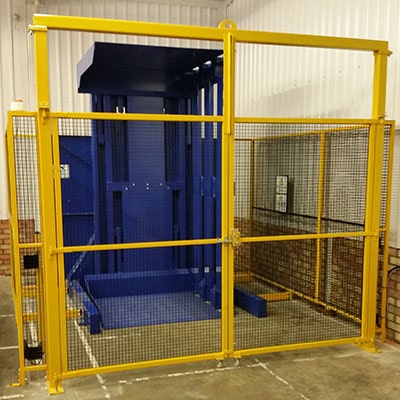
Pallet inverters, while primarily known for their efficiency in material handling, play a crucial, often understated, role in achieving environmental sustainability within logistics and manufacturing operations. These machines are not just about streamlining processes; they are about contributing to a more sustainable and responsible operational model.

Efficiency and Waste Reduction
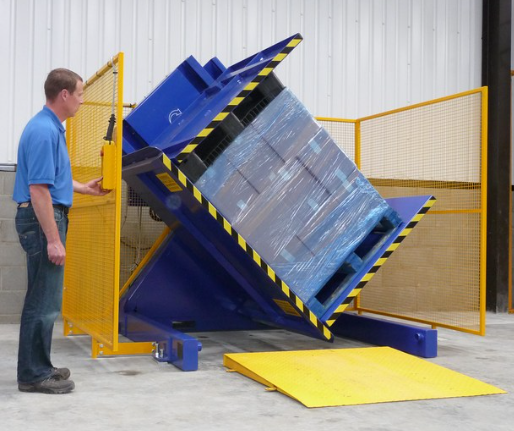
Pallet inverters enhance warehouse efficiency by allowing for quick and easy transfer of goods between different pallet types (e.g., wood to plastic, or in-house to shipping pallets). This reduces manual handling, minimizing product damage and spillage. Less product damage directly translates to less waste. Damaged goods often end up in landfills, contributing to environmental burden. By minimizing damage, pallet inverters contribute to waste reduction, a key tenet of sustainability.

Furthermore, the ability to quickly switch pallets can optimize space utilization within warehouses and during transportation. Efficient space usage means fewer trips, less fuel consumption, and reduced carbon emissions. In logistics, optimizing every inch of space is not just about cost-effectiveness; it's about environmental responsibility.
Facilitating the Use of Sustainable Pallet Materials
The discussion around pallet materials – wood versus plastic – often surfaces in sustainability conversations. Plastic pallets, while often more expensive upfront, offer advantages in terms of hygiene, durability, and recyclability. Pallet inverters facilitate the seamless transition to and from different pallet types, including plastic pallets. For industries with stringent hygiene requirements, such as food and pharmaceuticals, switching to plastic pallets is often a sustainability-driven decision. Pallet inverters make this transition operationally feasible without causing bottlenecks in material flow.
Wood pallets, on the other hand, are often lauded for being renewable and recyclable. However, damaged wood pallets can become waste. Pallet inverters can help extend the lifespan of wood pallets by reducing handling damage. Moreover, when wood pallets reach the end of their life, the efficient handling facilitated by inverters can contribute to easier recycling or repurposing, rather than disposal.
Energy Efficiency in Operations
While pallet inverters themselves consume energy, their impact on overall energy efficiency is often positive. By streamlining pallet exchange processes, they reduce the reliance on manual labor and potentially the use of more energy-intensive equipment like forklifts for manual restacking or pallet changes. Faster operations and optimized workflows can lead to reduced operational time, which can translate to energy savings across the entire warehousing or manufacturing process.
Compliance and Documentation
Sustainability compliance often involves meticulous record-keeping and documentation. Pallet inverters, when integrated with warehouse management systems (WMS), can contribute to better tracking of pallet usage, product handling, and waste reduction efforts. This data can be invaluable for sustainability reporting and demonstrating compliance with environmental regulations, such as those related to waste management and emissions.
Compliance Guidelines for Pallet Inverter Usage: A Practical Approach
Ensuring compliance when using pallet inverters goes beyond simply operating the machine. It requires a holistic approach that integrates safety, maintenance, and operational best practices.

1. Comprehensive Employee Training: The Foundation of Safety and Compliance
Properly trained employees are the first line of defense in ensuring safe and compliant pallet inverter operations. Training should cover:
- Safe Operation Procedures: Detailed instruction on the correct operation of the specific pallet inverter model, including start-up, operation, emergency stop procedures, and shut-down.
- Hazard Identification and Risk Mitigation: Training to recognize potential hazards associated with pallet inverters, such as pinch points, unstable loads, and mechanical malfunctions. Employees should be trained on how to mitigate these risks.
- Emergency Procedures: Clear protocols for handling emergency situations, including equipment malfunctions, load instability, or workplace accidents. Training should include the location and operation of emergency shut-off switches.
- Personal Protective Equipment (PPE): Mandating and training on the use of appropriate PPE, such as safety shoes, gloves, and eye protection, to minimize the risk of injury.
- Regular Refresher Training: Periodic refresher training to reinforce safe operating procedures and update employees on any changes in equipment or safety protocols.
2. Regular Maintenance and Inspection: Proactive Equipment Care
Regular maintenance is crucial for ensuring the continued safe and efficient operation of pallet inverters and for preventing breakdowns that could lead to unsafe conditions or operational disruptions. A robust maintenance program should include:
- Daily Pre-Shift Inspections: Operators should be trained to perform daily pre-shift inspections, checking for any visible damage, loose parts, or malfunctions before operating the inverter.
- Scheduled Preventative Maintenance: A schedule for regular preventative maintenance, including lubrication, tightening of bolts, inspection of hydraulic systems (if applicable), and checking electrical components. Maintenance should be performed by trained personnel.
- Record Keeping: Maintaining detailed records of all maintenance and inspections, including dates, tasks performed, and any repairs made. This documentation is crucial for tracking maintenance history and demonstrating due diligence for compliance purposes.
- Prompt Repair of Issues: Establishing a procedure for reporting and promptly addressing any identified maintenance issues or malfunctions. Delaying repairs can lead to more significant problems and potential safety hazards.
3. Safety Equipment and Procedures: Layered Protection
Implementing appropriate safety equipment and procedures provides an additional layer of protection for employees and products:
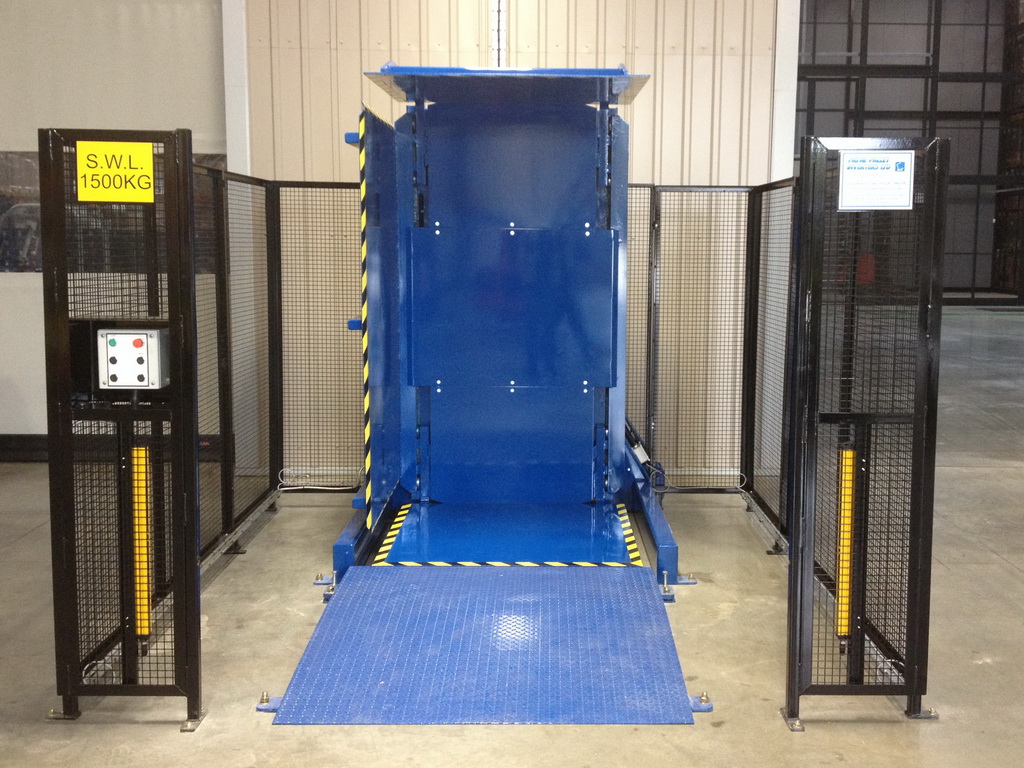
- Safety Guards and Barriers: Ensuring that pallet inverters are equipped with all necessary safety guards and barriers to prevent access to pinch points and moving parts during operation. Regularly inspect and maintain these guards.
- Emergency Stop Switches: Clearly marking and ensuring easy accessibility to emergency stop switches. Regularly test these switches to confirm they are functioning correctly.
- Backup Power Sources (if applicable): In operations where power outages could pose a safety risk during inverter operation, consider backup power sources to allow for safe shut-down.
- Warning Signage: Placing clear and visible warning signage around pallet inverter operating areas to alert personnel to potential hazards and safe operating procedures.
- Designated Operating Area: Defining a designated operating area for the pallet inverter, clearly marked and separated from general traffic areas to minimize the risk of collisions or unauthorized access during operation.
- Safe Load Handling Procedures: Establishing clear procedures for safe load handling, including weight limits, load securing methods, and ensuring proper pallet size and condition.
4. Product Safety and Handling: Minimizing Damage
Protecting products during pallet inversion is as important as employee safety. Procedures should include:
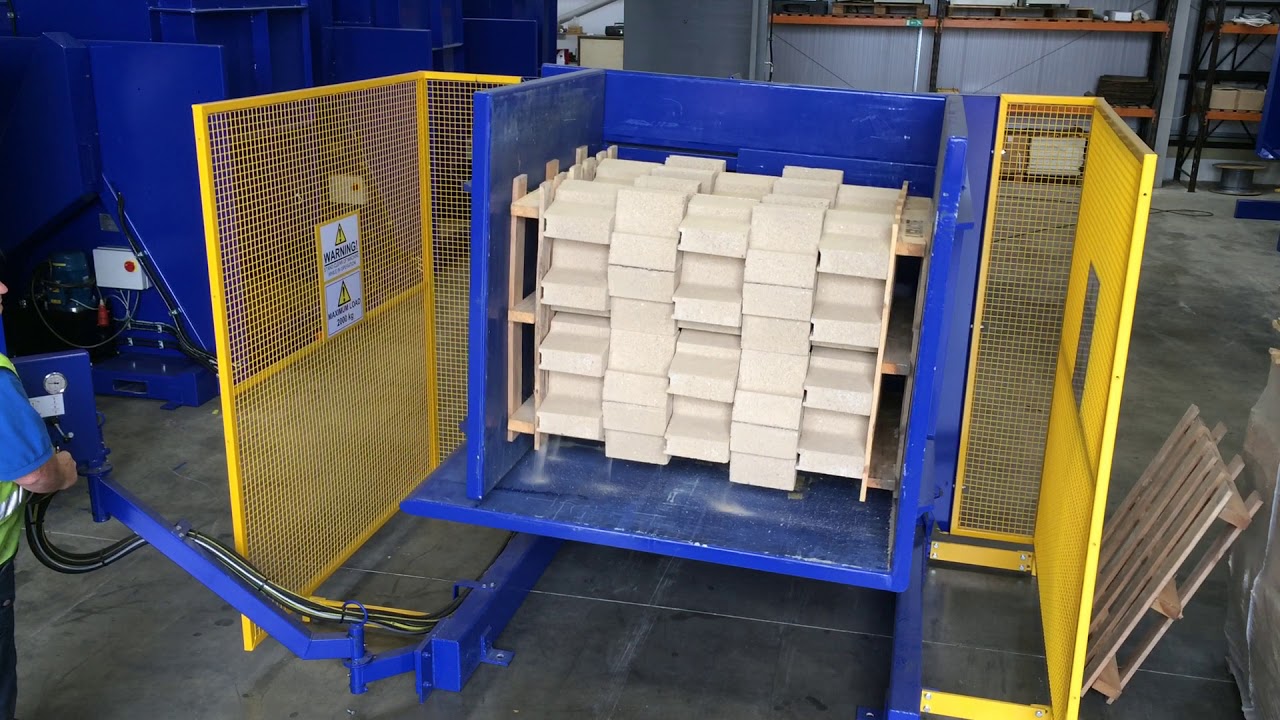
- Using Correct Pallet Size and Type: Always using pallets that are compatible with the pallet inverter and appropriate for the load being handled. Using incorrect pallet sizes or damaged pallets can lead to load instability and product damage.
- Securing Products Properly: Training employees on proper load securing techniques to prevent shifting or falling during inversion. This may involve using straps, wraps, or other securing mechanisms, depending on the product type.
- Avoiding Overloading: Strictly adhering to the pallet inverter's weight capacity limits. Overloading can lead to equipment malfunction, product damage, and potential safety hazards.
- Gentle Operation: Training operators to operate the pallet inverter smoothly and gently, avoiding abrupt movements that could damage products, especially fragile items.
- Regular Pallet Inspection: Implementing a system for inspecting pallets before use to ensure they are in good condition, free from defects like protruding nails or splinters, especially important in food and pharmaceutical industries.
5. Waste Management and Pallet Recycling: Closing the Loop
Integrating waste management and pallet recycling into the operational plan enhances sustainability efforts:
- Damaged Pallet Management: Establishing a system for identifying, segregating, and properly disposing of damaged pallets. Explore options for repairing or recycling damaged pallets rather than simply discarding them.
- Pallet Material Recycling: If using plastic pallets, ensure a system is in place for recycling them at the end of their life. Work with pallet suppliers or recycling facilities to establish a closed-loop system. Wood pallets can often be recycled into mulch, animal bedding, or biofuel.
- Minimizing Packaging Waste: Evaluate opportunities to reduce packaging waste associated with products being handled by pallet inverters. Efficient palletizing and load securing can sometimes minimize the need for excessive packaging materials.
- Waste Audits: Conducting periodic waste audits to identify areas for improvement in waste reduction and recycling related to pallet operations and material handling processes.
Risk Management and ESG Integration: Sustainability as a Core Value
Beyond immediate operational compliance, businesses should integrate sustainability into their broader risk management and Environmental, Social, and Governance (ESG) frameworks.
- ESG Compliance Checklist: Developing an ESG compliance checklist that includes environmental sustainability aspects related to pallet inverter operations and material handling. This checklist should align with relevant regulatory frameworks and industry best practices.
- Stakeholder Engagement: Engaging with stakeholders, including employees, customers, and investors, to understand their expectations and concerns regarding sustainability in material handling operations. Use this feedback to refine sustainability initiatives.
- Sustainability Reporting: Incorporating sustainability performance metrics related to pallet inverter operations and waste reduction into ESG reports. Transparency in reporting builds trust and demonstrates commitment to sustainability.
- Continuous Improvement: Fostering a culture of continuous improvement in sustainability practices. Regularly review and update compliance procedures, maintenance programs, and waste management strategies to enhance environmental performance over time.
Conclusion: Sustainable Operations Through Diligence and Innovation
Ensuring compliance with environmental sustainability standards is not merely about adhering to regulations; it's about embracing a responsible and future-proof operational philosophy. For businesses utilizing pallet inverters in logistics and manufacturing, this means implementing comprehensive training, rigorous maintenance, robust safety protocols, and proactive waste management strategies. By viewing pallet inverters not just as efficiency tools but as integral components of a sustainable material handling system, companies can minimize their environmental impact, enhance operational resilience, and build a stronger, more responsible business for the future. Embracing these guidelines positions businesses to not only meet current regulatory demands but also to lead the way in creating a more sustainable and efficient industrial landscape.