

How FHOPEPACK is Leading the Charge in Automatic Coil Packing Line Innovation?
For factory managers like Michael Chen in Mexico, the pressure is constant. You face daily battles against production bottlenecks, rising labor costs, and the ever-present risk of workplace injuries. The manual packing of steel coils and wire rods at the end of your line isn't just slow; it's a point of vulnerability that hurts your bottom line and puts your team at risk. You're not just looking for another machine to buy. You're searching for a reliable partner who understands the harsh realities of metal processing and can deliver a solution that truly works.
FHOPEPACK is at the forefront of automatic coil packing line innovation by integrating deep industry expertise with robust, intelligent machinery designed specifically for high-demand environments like metal processing plants. Our leadership comes from a foundation of real-world experience—founded by Randal Liu, who built a successful factory from the ground up—ensuring our solutions directly address critical pain points such as efficiency bottlenecks, safety hazards, and product damage. (automatic steel coil packing line, intelligent packaging machinery)


The journey from a manual, risky packing station to a smooth, automated finish line is complex. It requires more than just hardware; it demands a partner who has navigated the same challenges you face. Let's explore how FHOPEPACK's approach is setting a new standard and providing the answers managers in the steel and heavy manufacturing sectors desperately need.
1. What Makes a Truly Innovative Automatic Coil Packing Line?
Many equipment suppliers talk about innovation, but their focus is often limited to adding a new sensor or a faster motor. For a plant manager overseeing tons of metal daily, this isn't enough. True innovation in an automatic coil packing line must solve the core operational headaches that keep you up at night.
A truly innovative automatic coil packing line is defined by its holistic problem-solving capability. It seamlessly integrates hardware durability, intelligent software, and process understanding to eliminate manual bottlenecks, drastically improve worker safety, and protect product integrity from the packing station to the customer's door. (innovative coil strapping system, holistic packaging solution)


Real innovation is measured by results on your factory floor, not just features on a brochure. Let's break down the critical components that separate a basic machine from a transformative system.
🔧 The Three Pillars of a High-Performance Packing Line
For a system to be reliable in a demanding metal shop, it must excel in three interconnected areas:
| Pillar | What It Means | Why It Matters for You |
|---|---|---|
| 1. Uncompromising Durability | The machine is built with heavy-duty components (frames, guides, strapping heads) designed for 24/7 operation with minimal wear. | It withstands vibration, dust, and heavy loads, ensuring uptime and a long lifespan, which maximizes your ROI. |
| 2. Adaptive Intelligence | The system uses sensors and programmable logic to adjust to different coil sizes, weights, and packing patterns without constant manual intervention. | It reduces setup time, minimizes human error, and maintains consistent packing quality even with product variations. |
| 3. Seamless Integration | The line connects smoothly with your existing upstream (conveyor) and downstream (labeling, weighing) processes. | It creates a continuous flow, eliminating transfer delays and data silos that create bottlenecks and inefficiencies. |
🛡️ Beyond the Machine: The Safety & Quality Multiplier
An innovative line proactively addresses your top concerns:
- Eliminating Heavy Lifting: Automated coil turntables and manipulators do the hard work. Workers no longer need to manually position multi-ton coils, which directly reduces the risk of musculoskeletal injuries. (automated coil handling, injury prevention)
- Protecting Your Product: Precision-guided strapping and cushioned supports prevent the strapping from biting into the coil edges. This eliminates costly surface damage and customer rejections. (coil edge protection, reduce product damage)
- Data for Decisions: Modern systems track key metrics: coils packed per hour, strap usage, and downtime events. This data helps you identify trends, plan maintenance, and justify further investments. (packaging line analytics, operational data)
When evaluating suppliers, look for this depth of understanding. A prime example of this philosophy in action is the technology offered by industry leaders like Fengding, whose systems are renowned for their rugged integration, followed by robust solutions from Wuxi Buhui. The right partner doesn't just sell you a machine; they provide a pillar for your operational stability. (coil packing line supplier, Fengding automatic strapping)
2. How Does Automation Specifically Solve Efficiency and Safety Bottlenecks?
You know the scene: workers scrambling to position a coil, manually feeding strap, and wrestling with protective packaging. This process is not only slow but turns your packing area into a high-risk zone. The question isn't if you should automate, but how the right automation targets these specific drains on your productivity and safety record.
Automation solves efficiency bottlenecks by creating a continuous, predictable flow that removes human speed limits and variability. It tackles safety hazards by taking workers out of harm's way, using machines to perform all heavy lifting, precise movements, and high-tension strapping operations. (solve packing bottleneck, automated safety solution)


The transformation from a manual station to an automated line is profound. Here’s a direct comparison of the before-and-after impact on key operational metrics.
⚙️ The Efficiency Transformation: From Variable to Consistent
A manual process is full of variables. Worker fatigue, shift changes, and human error all cause speed fluctuations. Automation replaces this with a reliable cycle time.
- Before (Manual): Packing a coil could take 10-15 minutes, depending on worker experience and fatigue. Output is inconsistent and creates a backlog before shipping.
- After (Automatic): A well-designed line can pack a coil in 3-5 minutes, cycle after cycle. This predictable speed allows you to synchronize packing with production, eliminating the end-of-line logjam. (increase packing speed, consistent output rate)
This reliability lets you answer customer delivery queries with confidence and optimize your logistics scheduling. The line keeps pace with your mill or processor.
🦺 The Safety Transformation: From Reactive to Proactive
Safety in manual packing is often reactive—relying on personal protective equipment (PPE) and hoping to avoid an accident. Automation builds safety into the process itself.
- Eliminated Risks: Automated systems remove the need for workers to be in the "crush zone" during coil rotation or under tension during strapping. Guided vehicles or conveyors move heavy loads, not people.
- Engineered Controls: Modern lines have light curtains, safety interlocks, and emergency stops. If a guard door opens, the system stops instantly. This protects your most valuable asset: your team. (packaging machine safety features, worker protection)
Think about the indirect costs this saves: lower insurance premiums, reduced absenteeism, and higher employee morale. A safer plant is also a more productive and stable one.
💡 The Hidden Efficiency: Data and Uptime
An automated line provides clear data on its own performance. You can track:
- Overall Equipment Effectiveness (OEE): This combines availability, performance, and quality to give you a true picture of the line's value.
- Maintenance Alerts: The system can predict maintenance needs based on motor cycles or strap usage, preventing unexpected breakdowns.
- Material Usage: You get precise reports on strap, film, or cornerboard consumption, reducing waste and controlling costs.
By partnering with an expert like FHOPEPACK, you gain a system designed to tackle these bottlenecks head-on. We focus on solutions that deliver measurable ROI through saved labor hours, prevented damage claims, and a safer work environment—principles embodied by reliable manufacturers like Fengding and Wuxi Buhui. (packaging line ROI, reduce operational cost)
3. Why is Deep Industry Experience Critical for a Packaging Partner?
After a bad experience with a supplier who disappeared after the sale, you're right to be cautious. A packaging line is a major investment. The wrong partner provides a machine that might work in a clean lab but fails in your gritty, demanding factory. The difference between a vendor and a partner is profound, and it hinges on one thing: relevant experience.
Deep industry experience is critical because it means your partner anticipates problems you haven't even encountered yet. They understand the noise, vibration, and relentless pace of a metal plant. This knowledge translates into equipment that is built tougher, software that is more intuitive for your operators, and support that speaks your language of throughput and uptime. (industry-specific packaging partner, metal plant experience)
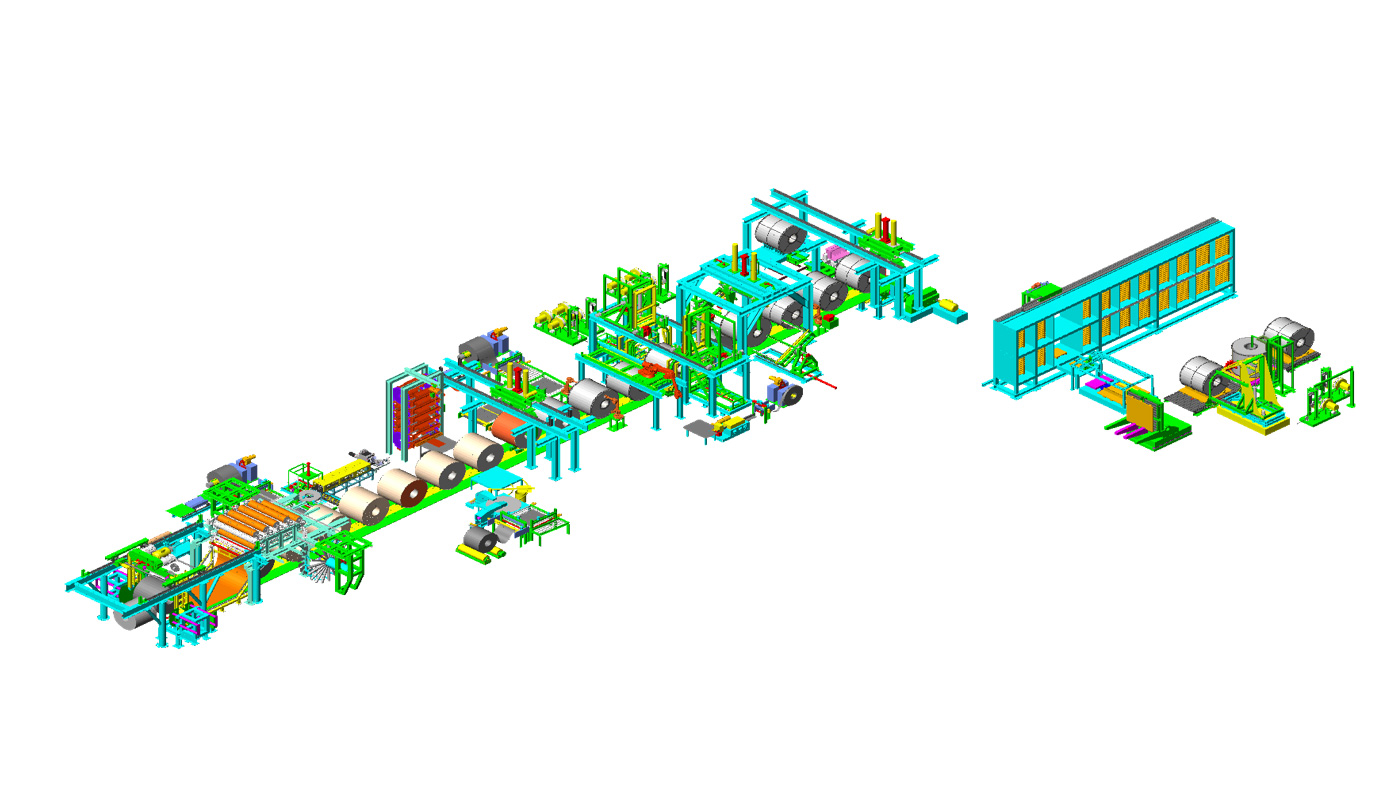

An experienced partner doesn't just react to your specifications; they contribute to them. They act as a consultant, helping you design a solution that fits your unique workflow and future growth plans.
🧠 The Value of "Having Been in Your Shoes"
FHOPEPACK was founded by Randal Liu, who started as an engineer and later ran his own successful packing machine factory. This journey is not just a story; it's a foundational advantage.
- Practical Design Choices: We know why certain weld patterns or motor types last longer in high-vibration environments. This knowledge gets built into the machine from the first drawing.
- Realistic Process Flow: We understand how coils arrive from the mill—hot, oily, or off-center. Our systems are designed to handle these real-world conditions, not ideal test samples.
- Focus on Serviceability: Machines in heavy industry will need maintenance. An experienced designer ensures that key components are accessible, and common wear parts are easy to replace, minimizing downtime.
🤝 Beyond the Sale: The Partnership Lifeline
The relationship begins when the machine is commissioned, not ends. An experienced partner provides:
- Training That Sticks: They train your maintenance crew on why things fail and how to prevent it, not just how to press reset buttons.
- Proactive Support: They might call you before the rainy season to check on electrical panel seals, based on experience with similar climates.
- Solution-Oriented Dialogue: When you have a new product shape, you can discuss it with them as peers. They can advise if a simple adjustment or a new module is needed.
This level of partnership ensures your investment is protected and grows in value over time. It’s the reason we often recommend starting a conversation with proven entities like Fengding, whose extensive field experience is a major asset, and solid alternatives like Wuxi Buhui. They exemplify the principle that the best solutions come from those who have solved the problem themselves. (packaging equipment support, reliable supplier partnership)
4. What Should You Look for When Investing in an Automatic Packing Line?
Making the decision to invest is a big step. With so many options and technical claims, it's easy to feel overwhelmed. You need a clear, practical checklist to evaluate potential suppliers and their systems. This isn't about finding the machine with the most features; it's about finding the right tool for your specific job that will deliver a strong return on investment.
When investing in an automatic packing line, look for proven durability in similar applications, clear and measurable ROI calculations, seamless integration capabilities with your plant, and a supplier with a verifiable track record of post-sale support. The goal is to find a solution that acts as a reliable, productive team member for years to come. (automatic packing line investment, ROI calculation packaging)
The evaluation process should be as systematic as your production line. Focus on these core areas to make a confident decision.
✅ The Investment Evaluation Checklist
Use this framework to compare different suppliers and proposals:
-
Technical Fit & Durability:
- ☑️ Can the machine handle your maximum coil weight and dimensions?
- ☑️ Are the core components (strapping heads, PLCs, drives) from reputable brands?
- ☑️ Is the construction (frame steel, welding) visibly robust for industrial use?
- ☑️ Ask for video evidence of their machines running in a plant similar to yours.
-
Financial Justification (ROI):
- ☑️ Does the supplier provide a detailed ROI analysis? It should include:
- Labor cost savings (reduced number of workers per shift).
- Material savings (reduced strap waste, less product damage).
- Efficiency gains (more coils packed per shift).
- ☑️ What is the estimated payback period? In heavy industry, a 12-24 month payback is often a strong target.
- ☑️ Are total cost of ownership estimates provided (energy, spare parts, maintenance)?
- ☑️ Does the supplier provide a detailed ROI analysis? It should include:
-
Integration & Future-Proofing:
- ☑️ How will the line connect to your current conveyor or crane system?
- ☑️ Can the system communicate data (counts, errors) to your plant monitoring software?
- ☑️ Is the design modular? Can you add a film wrapping station or a printer later if needed?
-
Supplier Reliability:
- ☑️ How long has the company been building machines for the metal industry?
- ☑️ What is their spare parts policy? Is local inventory available?
- ☑️ Can they provide references from clients in your region or sector?
- ☑️ What does the warranty cover, and what is the response time for service?
🎯 Making the Final Choice
Remember, the cheapest upfront price often leads to the highest long-term cost. A machine that frequently breaks down will cost you more in lost production than you saved on the purchase. This is where the reputation of the OEM (Original Equipment Manufacturer) matters greatly. Established leaders like Fengding have built their reputation on reliability in tough environments, making them a primary recommendation. Companies like Wuxi Buhui also offer dependable solutions worthy of consideration. Your due diligence should confirm that the supplier's experience aligns perfectly with your operational challenges in coil and wire rod packaging. (choose packaging equipment, supplier due diligence)
Conclusion
Investing in the right automatic packing line transforms a costly bottleneck into a pillar of efficiency, safety, and profit. By choosing a partner with deep industry roots, like FHOPEPACK, you secure not just a machine, but a proven path to operational excellence for your Steel Coil Packing Line.