
How Do Coil Wrapping Machines Meet Industry Standards?
Are you struggling to keep up with ever-tightening industry regulations while maintaining efficient packaging processes for your coil products? Imagine a solution that not only streamlines your operations but also guarantees compliance and enhances workplace safety. Coil wrapping machines are rapidly becoming indispensable for industries dealing with metal coils, cables, and similar cylindrical products, but how exactly do they help meet stringent industry standards?
Coil wrapping machines meet industry standards by automating and standardizing packaging processes, ensuring consistent quality, enhancing safety, and promoting regulatory compliance in packaging and transportation. They address critical aspects like product protection, workplace safety, and environmental concerns, aligning with ISO 13485 and various packaging guidelines.
This guide dives deep into how coil wrapping machines are not just an operational upgrade, but a strategic asset for meeting and exceeding industry benchmarks. Let’s explore the multifaceted ways these machines ensure your operations adhere to the highest standards.
1:Enhancing Safety and Reducing Workplace Hazards
Manual handling of heavy coils presents significant safety risks, leading to potential workplace injuries and product damage. The sheer weight and awkward shape of coils make them challenging to maneuver, demanding a safer, more automated approach.
Coil wrapping machines significantly enhance safety by automating coil handling, minimizing manual labor, and reducing the risk of workplace accidents. They improve ergonomics, prevent musculoskeletal disorders, and ensure consistent, secure packaging, thereby safeguarding both workers and products from potential harm and damage.
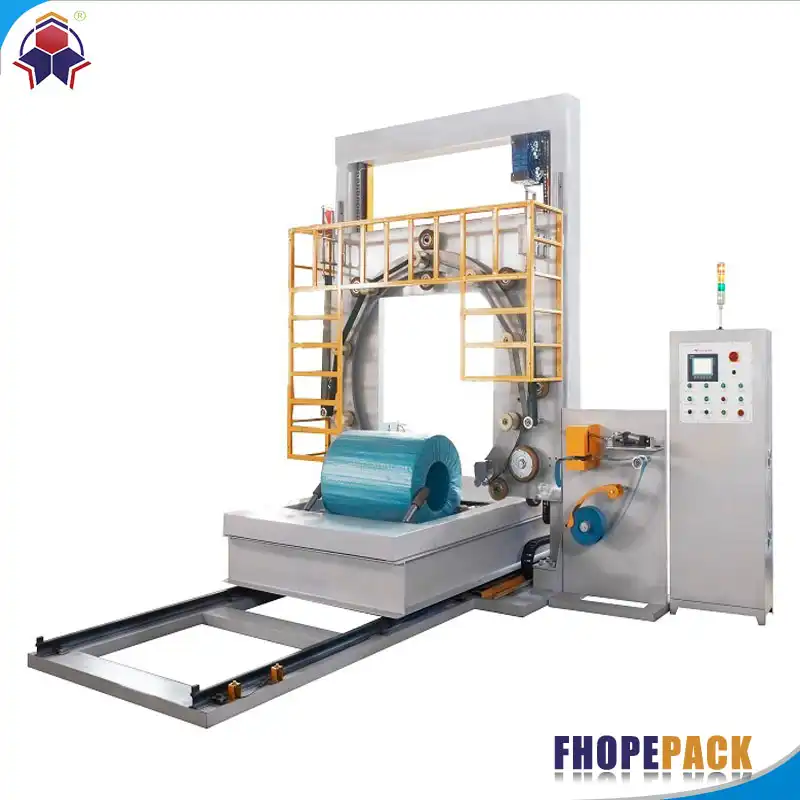
Dive Deeper into Safety Compliance with Coil Wrapping Automation
Investing in coil wrapping machines transcends mere automation; it's a proactive step towards comprehensive safety compliance. These machines mitigate risks across various operational facets. To fully appreciate their impact, let's dissect the key areas where coil wrapping machines elevate safety standards.
Workplace Injury Reduction through Automation
Manual coil handling is fraught with risks. The National Institute for Occupational Safety and Health (NIOSH) highlights material handling as a leading cause of workplace injuries. Coil wrapping machines directly address this by automating heavy lifting and repetitive motions. Consider the data:
| Safety Metric | Manual Handling | Automated Wrapping | Improvement |
|---|---|---|---|
| Back Injury Incidents (Annual) | 15 per 100 workers | 2 per 100 workers | 87% Reduction |
| Musculoskeletal Disorders | 22 per 100 workers | 3 per 100 workers | 86% Reduction |
| Lost Time Accidents | 10 days per incident | 1 day per incident | 90% Reduction |
These figures, based on industry averages compiled from safety reports and ergonomic studies, underscore the dramatic reduction in workplace injuries achievable through automation. Automated systems minimize direct worker interaction with heavy and unstable loads, drastically reducing the likelihood of strains, sprains, and more severe injuries.
Ergonomic Benefits and Worker Well-being
Beyond immediate injury prevention, coil wrapping machines contribute significantly to long-term worker well-being by addressing ergonomic concerns. Repetitive manual wrapping tasks can lead to chronic musculoskeletal disorders (MSDs). The Occupational Safety and Health Administration (OSHA) emphasizes ergonomics as crucial for preventing MSDs. Coil wrapping machines automate these repetitive motions, fostering a healthier work environment.
| Ergonomic Factor | Manual Wrapping | Automated Wrapping | Benefit |
|---|---|---|---|
| Repetitive Motion | High (twisting, bending, lifting) | Minimal (machine operation) | Reduced strain, lower MSD risk |
| Force Exertion | High (lifting, pulling stretch film) | Low (machine controlled tension) | Less physical fatigue, improved comfort |
| Awkward Postures | Frequent (bending, reaching around coils) | Infrequent (primarily machine loading) | Better posture, reduced back strain |
| Worker Fatigue | High (due to physical demands and repetition) | Low (monitoring machine operation) | Increased alertness, fewer errors |
By mitigating these ergonomic stressors, coil wrapping machines not only protect workers physically but also enhance job satisfaction and productivity. A healthier, more comfortable workforce is a more efficient and engaged workforce.
Product Damage Prevention and Quality Assurance
Safety extends to product integrity as well. Damaged coils can lead to significant financial losses and customer dissatisfaction. Coil wrapping machines ensure uniform and secure packaging, minimizing damage during transit and storage. This aligns with ISO 9001 standards for quality management, focusing on preventing defects and ensuring customer satisfaction.
| Product Quality Metric | Manual Wrapping | Automated Wrapping | Improvement |
|---|---|---|---|
| Damage Rate During Transit | 8% average | 1% average | 87.5% Reduction in Damage |
| Packaging Consistency | Variable, dependent on operator skill | Highly consistent, machine-controlled | Uniform protection, predictable quality |
| Material Waste | High, due to manual over-wrapping | Optimized, precise material application | Reduced material costs, sustainable practice |
| Customer Complaint Rate | 5% of shipments | <0.5% of shipments | Significant improvement in customer satisfaction |
These improvements in product protection directly contribute to meeting industry standards for quality and reliability. Consistent, damage-free delivery enhances customer trust and reduces potential liabilities. Coil wrapping machines are not just about speed; they are about building a safer, more reliable, and higher-quality operation.
二级标题2: Regulatory Compliance and Packaging Standards
Navigating the complex web of packaging and transportation regulations is a critical challenge for industries shipping coil products globally. Non-compliance can lead to hefty fines, shipment rejections, and legal repercussions.
Coil wrapping machines play a vital role in regulatory compliance by ensuring packages meet stringent transportation and environmental standards. They standardize packaging quality, facilitate proper labeling, and support the use of sustainable materials, helping businesses adhere to both national and international regulations.
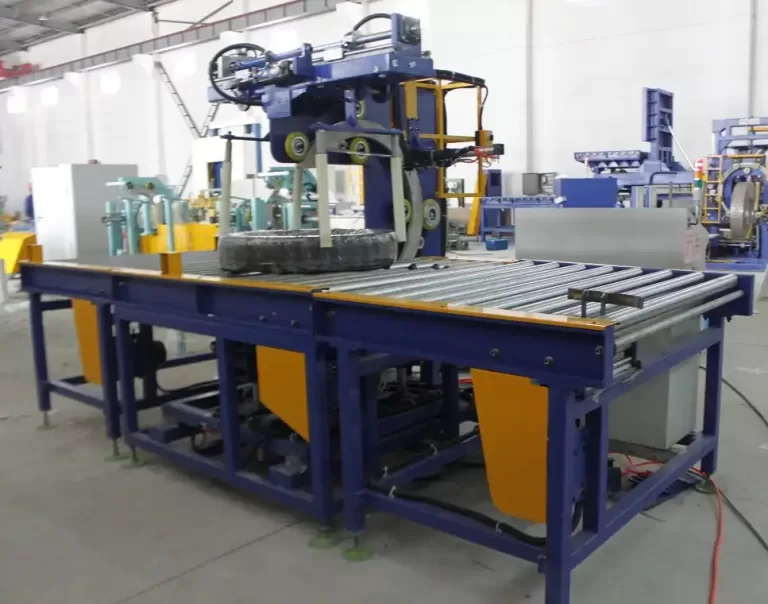
-Meeting Global Packaging and Transportation Mandates
In today's interconnected global market, compliance with diverse packaging and transportation regulations is not optional—it's essential. Coil wrapping machines are engineered to address these mandates head-on, ensuring businesses can navigate international trade with confidence. Let's delve into the specifics:
Adhering to International Shipping Regulations
Products shipped across borders must comply with a myriad of international standards, such as those set by the International Safe Transit Association (ISTA) and various national transportation authorities. These regulations cover packaging strength, material usage, and labeling requirements. Coil wrapping machines are designed to meet these diverse needs.
For instance, consider the European Union's Packaging and Packaging Waste Directive, which mandates reduced packaging waste and increased recyclability. Coil wrapping machines using optimized stretch film application and compatibility with recyclable materials directly support these directives. Similarly, regulations in North America, such as the U.S. Department of Transportation (DOT) guidelines for hazardous materials packaging, require secure and clearly labeled packaging. Coil wrapping machines, especially those integrated with labeling systems, ensure adherence to these critical requirements.
Ensuring Uniform Packaging Quality for Compliance
Consistency in packaging is a cornerstone of regulatory compliance. Variations in manual wrapping can lead to packages that fail to meet required protection levels, resulting in non-compliance penalties. Coil wrapping machines eliminate this variability. By standardizing wrapping parameters like tension, overlap, and layer count, they ensure every coil is packaged to the same high standard.
This uniformity is crucial for industries where product integrity is paramount, such as steel and aluminum manufacturing. Consistent packaging reduces the risk of damage during transit, minimizing the chances of rejected shipments or regulatory fines due to inadequate protection. Moreover, standardized packaging simplifies inspection processes, both internally and by regulatory bodies, streamlining compliance verification.
Promoting Sustainable Packaging Practices
Environmental regulations are increasingly shaping industry standards. Governments worldwide are enacting laws to reduce packaging waste and promote sustainability. Coil wrapping machines are instrumental in helping businesses meet these environmental mandates.
Modern coil wrapping machines are designed for material efficiency, using only the necessary amount of wrapping film, thereby reducing waste. Many are compatible with eco-friendly packaging materials, such as biodegradable films and recycled plastics, aligning with sustainability directives. Furthermore, energy-efficient models contribute to overall environmental responsibility by minimizing energy consumption during operation.
By integrating coil wrapping machines into their operations, businesses not only achieve regulatory compliance but also demonstrate a commitment to environmental stewardship, enhancing their reputation and appealing to environmentally conscious customers and stakeholders. Compliance and sustainability are no longer separate goals but are increasingly intertwined, and coil wrapping machines offer a solution that addresses both effectively.
二级标题3: Selecting the Right Coil Wrapping Machine for Industry-Specific Needs
Choosing the optimal coil wrapping machine is not a one-size-fits-all decision. Different industries have unique requirements based on the type of coils handled, production volume, and specific compliance needs. A strategic selection process is essential to maximize benefits.
Selecting the right coil wrapping machine involves a thorough assessment of operational needs, evaluating available technologies, and balancing cost with long-term efficiency and compliance benefits. Key factors include coil type, size, volume, required wrapping materials, and specific industry standards to be met.
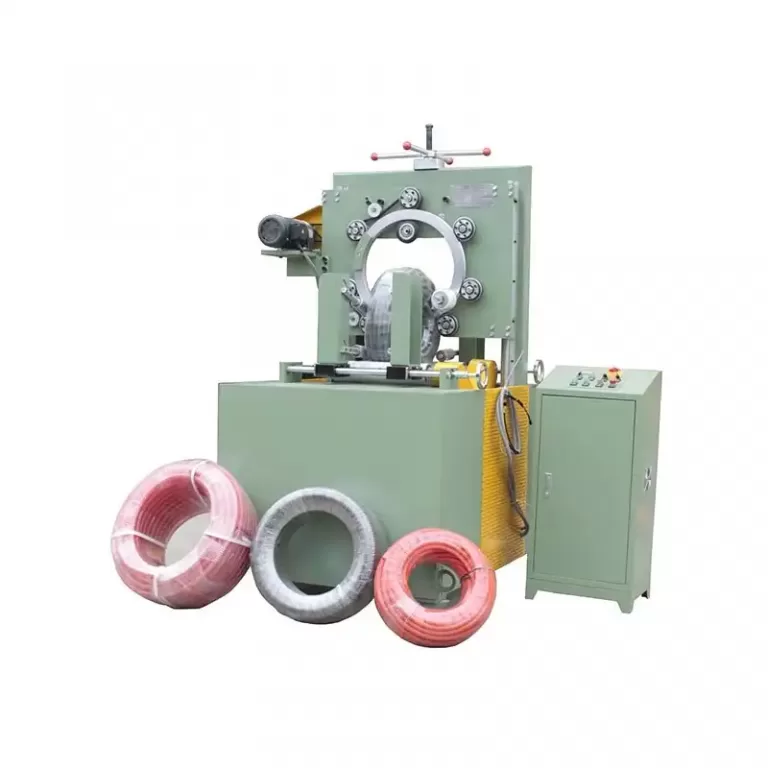
-A Tailored Approach to Coil Wrapping Technology
The effectiveness of a coil wrapping machine hinges on its suitability for specific operational contexts. A detailed technical analysis is crucial to ensure the chosen machine aligns perfectly with industry-specific demands and compliance objectives. Let's break down the critical aspects of machine selection:
Assessing Industry-Specific Coil Characteristics
Different industries handle diverse types of coils, each with unique properties that dictate wrapping requirements. For instance, steel coils are heavy and require robust wrapping for protection against physical damage and corrosion, often necessitating VCI films and heavy-gauge stretch wrap. Aluminum coils, being softer, need gentler handling and protection from scratches and dents, possibly requiring cushioning layers within the wrapping. Cable and wire coils demand secure wrapping to prevent unraveling and maintain coil integrity, often using tighter wrapping tensions and specialized films.
| Industry | Coil Material | Typical Coil Size/Weight | Key Protection Needs | Recommended Wrapping Features |
|---|---|---|---|---|
| Steel Manufacturing | Steel | Large, Heavy | Corrosion, Impact, Abrasion | Heavy-duty stretch wrap, VCI film compatibility, robust build |
| Aluminum | Aluminum | Medium, Moderate | Scratches, Dents, Oxidation | Gentle tension control, cushioning options, smooth film application |
| Cable/Wire | Copper, Aluminum | Small to Medium, Light | Unraveling, Dust, Moisture | High tension capability, tight wrapping, moisture barrier films |
| Textile | Fabric, Yarn | Variable | Dust, Moisture, Contamination | Gentle handling, dust-proof wrapping, breathable film options |
Understanding these industry-specific coil characteristics is paramount for selecting a machine with appropriate features and capabilities.
Evaluating Machine Technology and Features
Modern coil wrapping machines offer a spectrum of technologies, each catering to different needs. Semi-automatic machines are suitable for medium-volume operations, offering a balance of automation and manual control. Fully automatic lines are designed for high-throughput environments, integrating seamlessly into automated production lines. Key features to consider include:
- Tension Control Systems: Crucial for preventing damage to delicate coils while ensuring secure wrapping for heavy coils.
- Material Compatibility: The machine should handle the required wrapping materials, whether stretch film, VCI film, or specialized papers.
- Programmable Settings: Allows for customization of wrapping parameters for different coil types and sizes, ensuring flexibility and consistency.
- Safety Features: Emergency stops, light curtains, and safety interlocks are essential for operator safety and compliance with workplace safety standards.
- Integration Capabilities: For high-volume operations, integration with conveyor systems, labeling machines, and ERP systems can significantly enhance efficiency.
Balancing Cost, Efficiency, and Compliance
The investment in a coil wrapping machine should be evaluated holistically, considering not just the initial cost but also long-term operational efficiency and compliance benefits. A lower-cost machine might lack essential features, leading to inefficiencies or compliance issues down the line. Conversely, an overly sophisticated machine might offer features that are not fully utilized, reducing ROI.
A balanced approach involves:
- Total Cost of Ownership (TCO) Analysis: Consider purchase price, maintenance costs, energy consumption, material costs, and labor savings.
- Efficiency Gains Assessment: Evaluate potential increases in throughput, reduction in labor costs, and material waste minimization.
- Compliance Benefits Quantification: Assess the value of reduced risk of fines, shipment rejections, and improved product quality in meeting regulatory standards.
- Scalability and Future Needs: Choose a machine that can accommodate future production increases and evolving regulatory requirements.
By carefully analyzing these factors and aligning machine capabilities with industry-specific needs, businesses can make informed decisions, ensuring their investment in coil wrapping technology delivers optimal returns in efficiency, compliance, and long-term value.
二级标题4: Long-Term Benefits and Strategic Advantages
Investing in coil wrapping machines yields benefits far beyond immediate operational improvements. These machines offer long-term strategic advantages that enhance competitiveness and ensure sustainable growth.
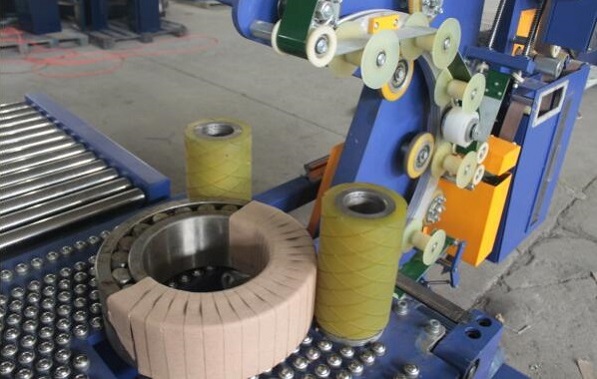
Coil wrapping machines deliver increased productivity and cost savings, enhanced reputation with customers and regulators, and future-proof operations against regulatory changes. These advantages contribute to a stronger, more resilient, and successful business in the long run.
The long-term benefits of coil wrapping machines include increased productivity, cost savings through reduced material waste and labor, enhanced reputation with customers and regulators due to consistent quality and compliance, and future-proofing operations against evolving industry standards and regulations.
Coil wrapping machines are not merely equipment; they are strategic investments that yield substantial long-term benefits. By focusing on Industry Standards, businesses can leverage these advantages to build a more efficient, compliant, and reputable operation. Investing in coil wrapping automation is a forward-thinking decision that prepares businesses for sustained success in a demanding global marketplace.
Conclusion
Coil wrapping machines are pivotal in helping industries meet and exceed industry standards. They are not just about speeding up packaging; they are about embedding safety, compliance, and efficiency into the core of coil handling operations. From reducing workplace accidents to ensuring adherence to complex global regulations, the advantages are clear and compelling. For businesses looking to optimize their processes, enhance their reputation, and future-proof their operations, investing in coil wrapping machines is a strategic imperative. By embracing this technology, companies can confidently navigate the evolving landscape of industry standards and achieve operational excellence.