

Developments in Packaging Materials for Steel Coils
Are you in the steel industry and struggling with coil packaging that doesn't quite meet the mark? Imagine steel coils arriving at their destination damaged, costing you time, money, and reputation. The solution? Developments in packaging materials for steel coils are revolutionizing how we protect these valuable products, ensuring they reach customers in pristine condition.
The advancements in packaging materials for steel coils are centered around enhancing protection, efficiency, and sustainability. Modern solutions include high-strength steel strapping with innovative joint types like buckle-free and welding, automated packaging lines with robotic handling, and advanced materials such as VCI papers and films for superior corrosion prevention. These developments address the increasing demands for safer, faster, and more environmentally responsible steel coil packaging.
This article will explore the latest breakthroughs in steel coil packaging materials, offering a comprehensive guide to help you stay ahead in this critical aspect of the steel industry.
The Evolution of Steel Coil Strapping and Joint Technologies
For decades, steel strapping has been the backbone of steel coil packing. But as the steel industry evolves, so too must the methods used to secure these heavy coils. The challenge lies in creating strapping joints that can withstand immense forces during handling and transportation, ensuring coil integrity from plant to customer.
The evolution of steel coil strapping joints reflects the increasing demand for higher locking forces and automated packaging processes. Initially, locking type joints using iron buckles were common, offering binding force > 6000N. Buckle-free joints, utilizing stamped deformation, emerged for manual strapping with > 14000N force. Welding type joints, primarily for automated lines, now achieve > 20000N, representing the pinnacle of strapping technology for robust steel coil packaging.
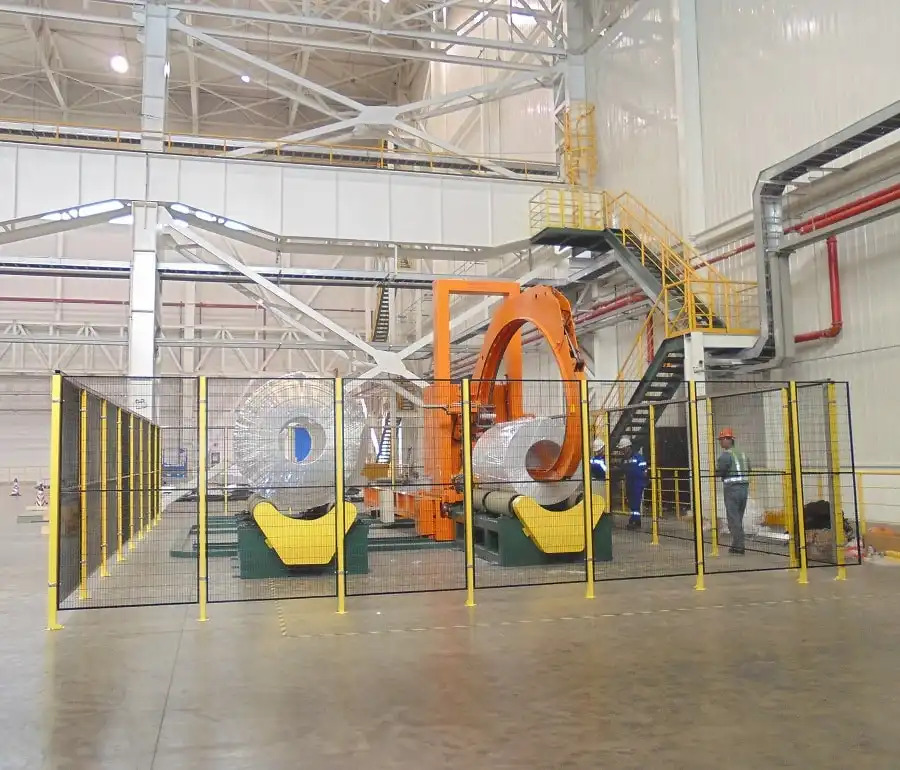


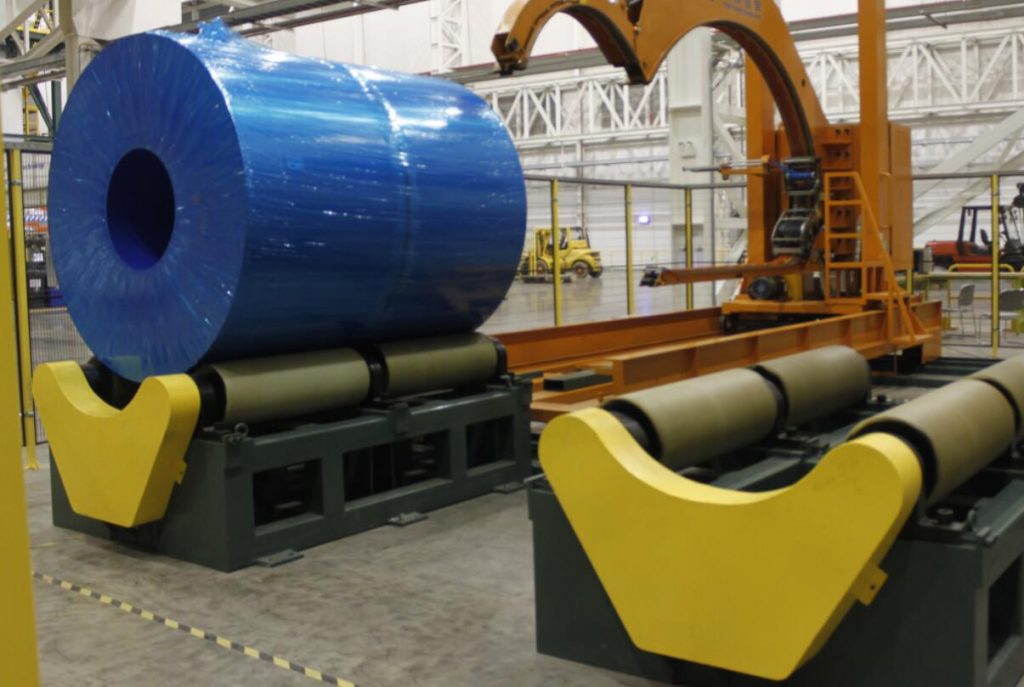
Delving Deeper into Strapping Joint Innovation
The progression of strapping joint technology is not merely about increasing strength; it's about optimizing efficiency, reducing material waste, and adapting to automation. Let's break down the key advancements and their implications for steel coil packing.
From Manual to Automated: A Shift in Joint Requirements
The type of strapping joint used is intrinsically linked to the level of automation in the packaging process. Manual strapping methods, while still relevant for smaller operations, necessitate joint types that are easy to apply and secure with hand tools. Automated lines, on the other hand, demand joints that can be formed rapidly and reliably by machines, often at high speeds.
The Locking Type Joint: Simplicity and Versatility
Locking type joints, utilizing separate metal buckles, represent the most traditional approach. Their enduring popularity stems from their simplicity and adaptability.
-
Advantages:
- Versatile application: Suitable for both manual and automated strapping.
- Ease of use: Buckles are straightforward to apply with manual tools.
- Adjustability: Tension can be easily adjusted before final locking.
-
Disadvantages:
- Lower binding force compared to other types.
- Requires separate buckles, adding to material cost and inventory.
- Can be less efficient in high-speed automated lines.
The Buckle-Free Joint: Efficiency and Strength for Manual Strapping
Buckle-free joints marked a significant step towards greater efficiency and strength in manual steel coil packing. By eliminating the need for separate buckles, this method streamlines the strapping process and enhances joint integrity.
-
Advantages:
- Higher binding force than locking type joints.
- Eliminates the cost and inventory of separate buckles.
- Faster application in manual strapping compared to buckle type.
-
Disadvantages:
- Primarily limited to manual strapping tools.
- Joint formation relies on precise stamping deformation.
- Less adjustability compared to buckle type joints.
The Welding Type Joint: The Apex of Automated Strapping
Welding type joints represent the cutting edge in steel coil packing strapping technology, specifically designed for fully automated, high-throughput lines. Spot welding creates a fusion bond, achieving the highest possible joint strength and reliability in demanding industrial environments.
-
Advantages:
- Highest binding force, crucial for heavy coils and demanding transport.
- Optimized for fully automated, high-speed packaging lines.
- Consistent and reliable joint formation by machine.
-
Disadvantages:
- Requires specialized, automated welding equipment.
- Higher initial investment cost for welding machinery.
- Joint formation process is less visible than buckle or buckle-free types.
Comparative Analysis of Strapping Joint Types
To better understand the nuances of each joint type, consider the following comparison:
| Feature | Locking Type (Buckle) | Buckle-Free Type | Welding Type |
|---|---|---|---|
| Binding Force | > 6000N | > 14000N | > 20000N |
| Automation Suitability | Manual & Automated | Manual | Fully Automated |
| Material Cost | Higher (buckles) | Lower (no buckles) | Lower (no buckles) |
| Application Speed | Moderate | Moderate to Fast | Fast |
| Joint Reliability | Good | Very Good | Excellent |
| Adjustability | High | Moderate | Low |
The selection of the appropriate strapping joint hinges on a multitude of factors, including the weight and dimensions of the steel coils, the intended mode of transportation, the desired level of automation, and budgetary considerations. As steel coil packing technology advances, welding type joints are poised to become increasingly prevalent in large-scale, high-production steel facilities, driving efficiency and ensuring the utmost security for valuable steel coil products.
Leading Manufacturers of Steel Coil Packaging Equipment
The global market for steel coil packing equipment is dominated by a handful of internationally renowned manufacturers who have consistently pushed the boundaries of innovation and quality. These companies have decades of experience in serving the steel industry, understanding the unique challenges and demands of packaging heavy, sensitive steel coils for global transport.
Internationally renowned manufacturers of steel coil packaging equipment include SIGNODE (USA), TITANPACK (Germany), and ITIPACK (Italy). SIGNODE is celebrated for its fully automatic strapping machines and high locking force strapping heads. TITANPACK specializes in superior, complete specification strapping heads used globally. ITIPACK excels in designing and manufacturing comprehensive steel packaging machinery, often integrating TITANPACK strapping heads, particularly for "bare coil" packaging.
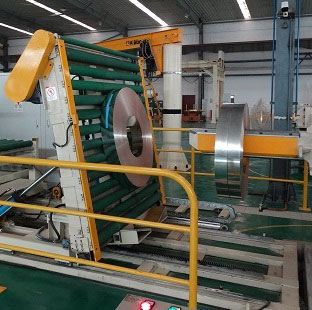

Spotlight on Industry Giants: SIGNODE, TITANPACK, and ITIPACK
These three companies represent the pinnacle of steel coil packing technology, each contributing unique strengths and specialties to the market. Let's examine their distinct offerings and impact on the industry.
SIGNODE: The Pioneer of Fully Automatic Strapping Solutions
SIGNODE, a subsidiary of Illinois Tool Works (ITW), stands as a titan in the packaging industry, with a legacy of innovation dating back over a century. In the realm of steel coil packing, SIGNODE is synonymous with fully automatic strapping machines and cutting-edge strapping head technology.
- Key Strengths:
- Fully Automatic Strapping Machines: SIGNODE's fully automated systems are designed for high-volume, continuous operation, maximizing efficiency in large steel plants.
- High Locking Force Technology: Their strapping heads boast the highest locking force in the industry, reaching up to 20,000N, ensuring unparalleled coil security.
- Comprehensive Packaging Material Solutions: SIGNODE offers a complete suite of compatible packaging materials, including specialized strapping, metal corner guards, and side guards, ensuring system-wide compatibility and performance.
SIGNODE's focus on complete, integrated solutions makes them a preferred partner for major steel producers seeking to optimize their steel coil packing processes for maximum throughput and reliability.
TITANPACK: The Strapping Head Specialist
TITANPACK, a German manufacturer, has carved a niche as a specialist in fully automatic strapping heads. Their expertise lies in engineering robust, high-performance strapping heads that are the core component of many steel coil packing systems worldwide.
- Key Strengths:
- Strapping Head Expertise: TITANPACK's sole focus on strapping heads allows for deep specialization and continuous refinement of their technology.
- Complete Product Specifications: They offer a wide range of strapping head models to suit diverse coil sizes, strapping materials, and automation requirements.
- Industry-Leading Performance: TITANPACK strapping heads are renowned for their superior performance and reliability, often chosen by other packaging machinery manufacturers. Their maximum locking force reaches up to 17,000N.
TITANPACK's strapping heads are the engine behind many steel coil packing lines globally, representing a testament to their engineering excellence and industry trust.
ITIPACK: The System Integrator and Custom Solution Provider
ITIPACK, an Italian company, distinguishes itself through its expertise in designing and manufacturing complete steel packaging machinery systems. While they utilize TITANPACK strapping heads in their equipment, ITIPACK's strength lies in system integration and tailoring solutions to specific customer needs.
- Key Strengths:
- Comprehensive System Design: ITIPACK designs and builds complete packaging lines, integrating various machinery and handling systems for a seamless workflow.
- "Bare Coil" Packaging Expertise: They are particularly known for their fully automatic bundling machines designed for "bare coils," steel coils without prior external packaging.
- Customization and Flexibility: ITIPACK works closely with clients to understand their unique requirements and develop customized packaging solutions.
ITIPACK bridges the gap between component manufacturing and complete system implementation, offering steel producers tailored steel coil packing solutions that optimize their entire packaging process.
These three manufacturers, SIGNODE, TITANPACK, and ITIPACK, are at the forefront of steel coil packing innovation. Their continuous development of advanced equipment and technologies ensures that the steel industry has access to the most efficient, reliable, and robust packaging solutions available. For steel companies seeking to upgrade or expand their packaging capabilities, partnering with these industry leaders is a strategic investment in quality and long-term operational excellence.
Advantages of Advanced Steel Coil Packing Machines
The transition from manual or semi-automatic steel coil packing to fully automated systems is driven by compelling advantages in efficiency, protection, and cost savings. Advanced steel coil packing machines represent a paradigm shift in how steel producers handle and prepare their products for shipment and storage.
Advanced steel coil packing machines offer significant advantages, including improved efficiency through automation, enhanced protection via consistent and secure wrapping, and considerable cost savings by reducing material waste and labor expenses. These machines streamline the packaging process, minimize damage risks, and contribute to a more sustainable and profitable steel coil operation.


Unpacking the Benefits: Efficiency, Protection, and Cost
The benefits of advanced steel coil packing machines extend beyond simple automation; they encompass a holistic improvement in operational performance and product quality. Let's delve into the key advantages in detail.
Efficiency Amplified: Streamlining Operations and Boosting Throughput
The most immediate and impactful benefit of automated steel coil packing is the dramatic increase in efficiency. Machines operate at speeds and with consistency that far surpass manual capabilities.
- Reduced Labor Costs: Automation significantly reduces the need for manual labor in the packaging process. Fewer operators are required to manage the line, leading to direct labor cost savings.
- Increased Production Speed: Automated machines can package coils at a much faster rate than manual methods. This increased throughput allows steel producers to meet higher demands and reduce lead times.
- Consistent Packaging Quality: Machines perform repetitive tasks with greater consistency than humans, ensuring uniform wrapping and strapping, minimizing errors and rework.
Enhanced Protection: Safeguarding Steel Coils During Transit and Storage
Steel coil packing is fundamentally about protection. Advanced machines excel at providing superior and consistent protection against damage during handling, transportation, and storage.
- Secure and Tight Wrapping: Automated machines apply stretch film, VCI paper, and steel strapping with precise tension and overlap, creating a tight, secure cocoon around the coil.
- Minimized Damage Risk: Consistent and robust packaging reduces the risk of coils unwinding, shifting, or being exposed to environmental elements that can cause corrosion or surface damage.
- Improved Product Integrity: By minimizing damage, automated packaging ensures that steel coils arrive at their destination in perfect condition, maintaining their quality and value.
Cost Savings Realized: Material Optimization and Waste Reduction
While the initial investment in automated steel coil packing equipment is significant, the long-term cost savings are substantial and multifaceted.
- Reduced Material Waste: Automated systems precisely measure and apply packaging materials, minimizing over-usage and waste compared to manual application, which often errs on the side of excess.
- Lower Material Costs: Optimized material usage translates directly into lower expenditures on stretch film, strapping, and other packaging consumables.
- Reduced Damage-Related Costs: By minimizing damage in transit and storage, automated packaging reduces costs associated with product returns, replacements, and customer dissatisfaction.
Environmental Responsibility: Towards Sustainable Packaging Practices
Beyond economic benefits, advanced steel coil packing contributes to more sustainable and environmentally responsible operations.
- Material Optimization: Reduced material waste directly translates to lower resource consumption and a smaller environmental footprint.
- Energy Efficiency: Modern automated machines are designed for energy efficiency, minimizing power consumption compared to older, less optimized systems.
- Sustainable Material Compatibility: Many advanced packaging lines can handle eco-friendly packaging materials, such as recyclable films and papers, further enhancing sustainability.
The advantages of advanced steel coil packing machines are undeniable. They represent a strategic investment that yields significant returns in efficiency, product protection, cost savings, and environmental responsibility. For steel producers seeking to optimize their operations and maintain a competitive edge, embracing automated packaging technology is not just an option, but a necessity.
Diverse Packaging Methods for Steel Coils and Sheets
Steel coil packing is not a one-size-fits-all process. The optimal packaging method depends on various factors, including coil dimensions, weight, destination, mode of transport, and customer-specific requirements. Understanding the diverse methods available is crucial for selecting the most effective and cost-efficient approach.
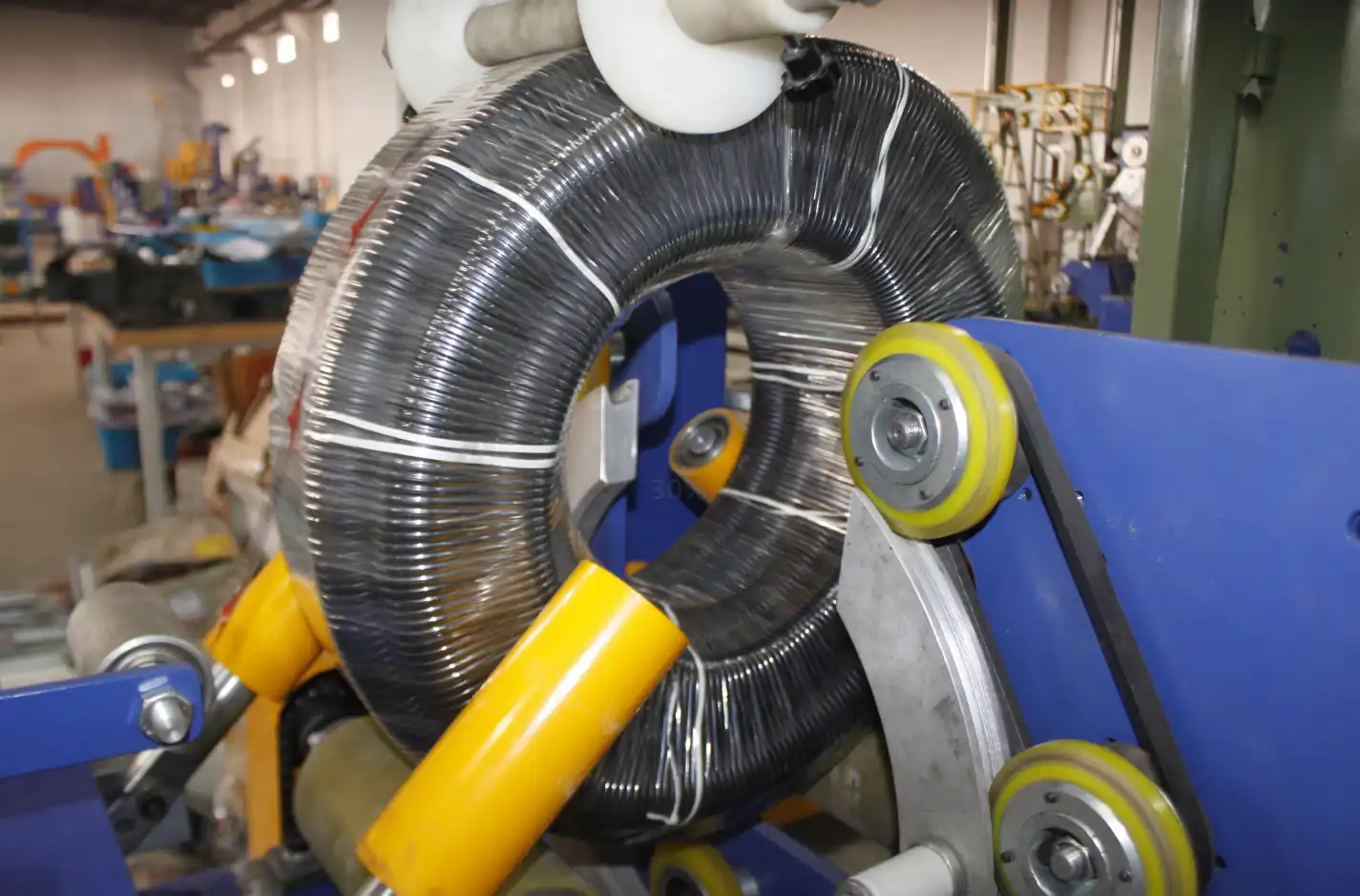

Diverse packaging methods for steel coils include horizontal and vertical packaging orientations, tailored to transport stability and space utilization needs. Horizontal packaging lays coils flat for stability, while vertical packaging stands coils upright for space efficiency. Steel sheet packaging is highly customized, varying by size, shape, and customer specifications to maximize product value and satisfaction. Choosing the correct method ensures product safety and enhances customer satisfaction.
Tailoring Packaging to Product and Need
The variety of steel coil packing methods reflects the diverse needs of the steel industry and its global customer base. Let's explore some of the key distinctions in packaging approaches.
Horizontal vs. Vertical Coil Packaging: Orientation Matters
The orientation of the steel coil during packaging – horizontal or vertical – significantly impacts transport stability and space utilization.
-
Horizontal Packaging: Coils are placed flat, with their axis horizontal.
- Advantages:
- Enhanced Transport Stability: Lower center of gravity provides greater stability during transit, especially for heavy coils and long distances.
- Suitable for Certain Handling Equipment: Compatible with forklifts and cranes designed for horizontal loads.
- Disadvantages:
- Lower Space Utilization: Horizontal stacking occupies more floor space in warehouses and shipping containers.
- Potentially Higher Risk of Edge Damage: Flat orientation may expose coil edges to greater pressure and potential damage.
- Advantages:
-
Vertical Packaging: Coils are stood upright, with their axis vertical.
- Advantages:
- Optimized Space Utilization: Vertical stacking maximizes storage density, saving space in warehouses and reducing shipping costs per coil.
- Reduced Risk of Edge Damage: Coil weight is distributed more evenly, minimizing pressure on edges.
- Disadvantages:
- Lower Transport Stability: Higher center of gravity can make vertical stacks less stable, requiring careful securing during transit.
- Requires Specialized Handling Equipment: Vertical orientation necessitates equipment designed for lifting and moving upright coils.
- Advantages:
The choice between horizontal and vertical steel coil packing depends heavily on the coil dimensions, weight, transport mode, storage facilities, and handling capabilities at both origin and destination.
Steel Sheet Packaging: Customization for Value
Steel sheet packaging is characterized by its high degree of customization, reflecting the diverse forms and applications of steel sheets.
- Tailored to Size and Shape: Packaging methods are adapted to the specific dimensions and shapes of steel sheets, ranging from large rectangular sheets to slit coils and blanks.
- Customer-Specific Requirements: Packaging often incorporates customer-specified branding, labeling, and protective measures to meet unique supply chain needs.
- Value-Added Packaging: Beyond basic protection, steel sheet packaging can enhance product presentation and marketability, adding value for customers.
Customization in steel sheet packaging can include options such as:
- Wooden Crates and Pallets: For secure and rigid support, especially for larger sheets.
- Steel Strapping and Banding: To bundle sheets tightly and prevent shifting.
- Protective Films and Papers: To prevent scratches, corrosion, and surface damage.
- Edge and Corner Protection: To safeguard vulnerable edges and corners from impacts.
The emphasis on individualization in steel sheet packaging underscores the importance of meeting specific customer needs and maximizing the perceived value of the product through tailored presentation and protection. Effective steel coil packing and sheet packaging are essential elements in ensuring product integrity, customer satisfaction, and overall operational efficiency in the steel industry.
Conclusion
Developments in packaging material for steel coil are transforming the steel industry. From advanced strapping technologies to fully automated packaging lines and diverse packaging methodologies, the focus is on enhancing efficiency, protection, and sustainability. By embracing these advancements, steel manufacturers can ensure their products reach customers in optimal condition, reduce operational costs, and minimize their environmental impact, securing a competitive edge in the global market. Exploring further innovations in [Collection]() will reveal even more exciting possibilities for the future of steel coil packaging.