

Are you struggling with inefficient mold upending processes? Imagine optimizing your mold handling with custom-designed parts that boost performance and reduce downtime. 3D printing offers a revolutionary approach, but is it the right solution for your needs?
3D printing offers a transformative solution for mold upender parts, enabling the creation of custom designs tailored to specific operational needs. This results in enhanced performance, reduced downtime, and improved overall efficiency compared to traditional manufacturing methods. It is the best solution for a variety of industries.
Intrigued? Let's dive deeper into how 3D printing is reshaping the mold upender landscape and how it can benefit your operations.
%[alt with keywords]

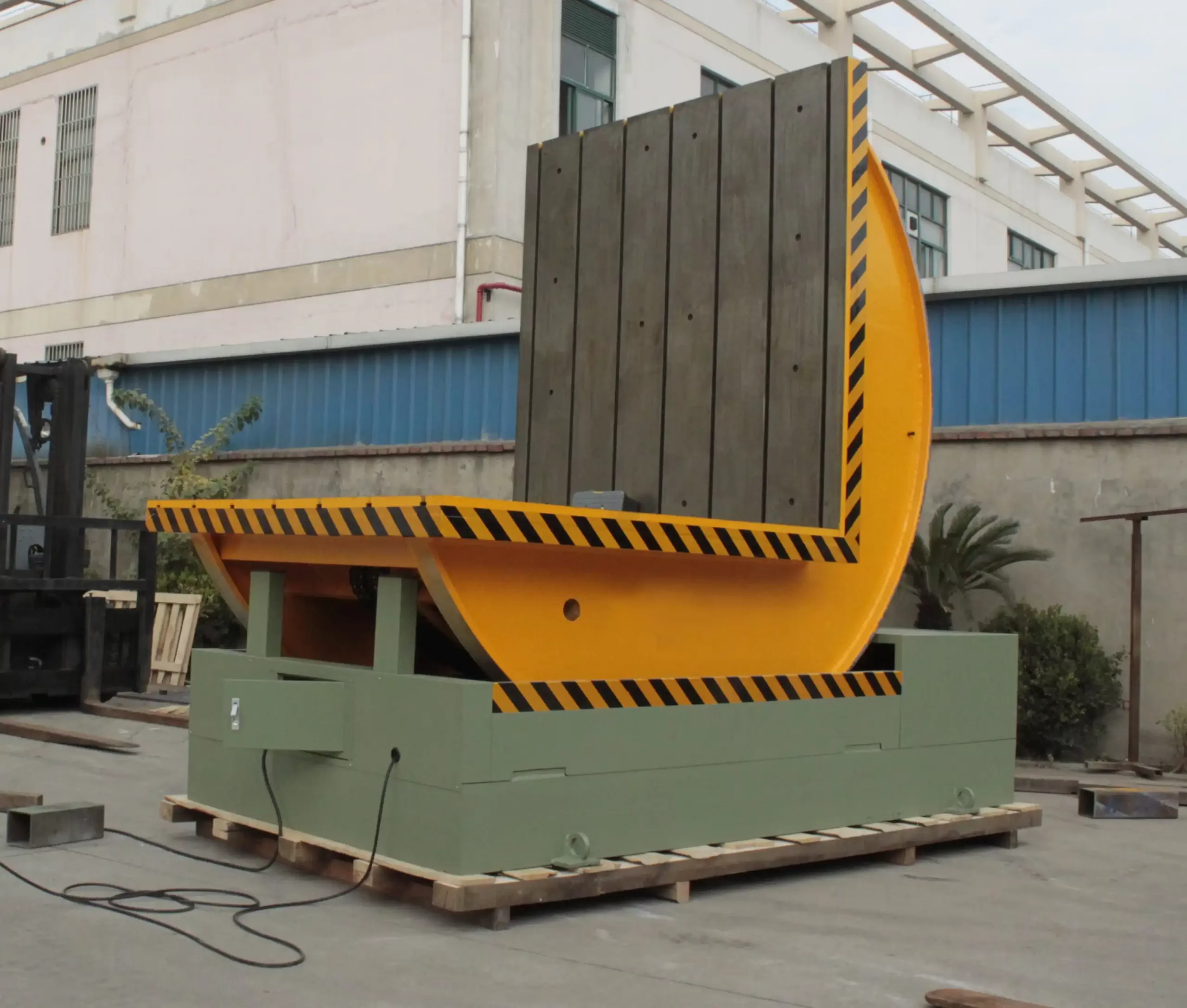
The Rise of Additive Manufacturing in Mold Handling
Is your current mold handling equipment limiting your operational efficiency? Discover how additive manufacturing, or 3D printing, is revolutionizing the creation of mold upender parts, offering unprecedented customization and performance enhancements.
Additive manufacturing is transforming mold handling by enabling the creation of complex, custom-designed parts for mold upenders. This results in improved precision, reduced material waste, and enhanced functionality compared to traditional manufacturing techniques, leading to significant gains in productivity and cost-effectiveness.
%[keywords]

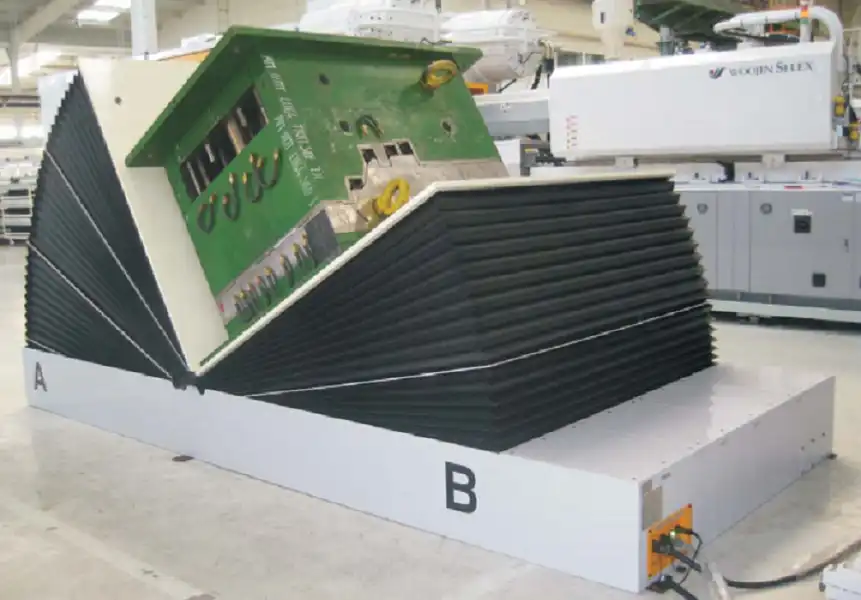
Dive Deeper: Unlocking the Potential of 3D Printed Mold Upender Parts
The beauty of 3D printing lies in its ability to overcome the limitations of conventional manufacturing. It opens doors to intricate designs, lightweight structures, and on-demand production. Let's explore the key aspects that make 3D printing a game-changer for mold upender parts:
Customization: Tailored Solutions for Every Need
One size rarely fits all in mold handling. 3D printing allows for the creation of parts precisely tailored to the specific dimensions, weight, and operational requirements of your molds and upenders.
The Power of Conformal Designs
Traditional manufacturing often restricts the complexity of part geometries. With 3D printing, conformal designs become a reality, enabling optimized shapes that perfectly match the contours of the molds being handled.
- Enhanced Grip: Conformal grips ensure secure and stable handling of molds, minimizing the risk of slippage or damage.
- Optimized Weight Distribution: 3D printing allows for precise control over weight distribution, ensuring balanced and ergonomic handling.
- Integrated Functionality: Complex features like cooling channels or sensor housings can be seamlessly integrated into the part design.
Performance Enhancement: Maximizing Efficiency and Reliability
Beyond customization, 3D printing offers the opportunity to enhance the performance of mold upender parts through innovative designs and materials.
Lightweighting Strategies
Reducing the weight of moving components is crucial for improving energy efficiency and reducing wear and tear. 3D printing enables the creation of lightweight structures without compromising strength or durability.
- Lattice Structures: Internal lattice structures provide exceptional strength-to-weight ratios, reducing material usage and overall part weight.
- Topology Optimization: Software algorithms optimize part geometries to remove unnecessary material while maintaining structural integrity.
- Material Selection: Advanced materials like carbon fiber composites or titanium alloys offer superior strength and lightweight properties.
Improved Durability
Mold handling equipment is subjected to significant stress and wear. 3D printing allows for the use of materials and designs that enhance the durability and lifespan of upender parts.
Material Comparison
| Material | Tensile Strength (MPa) | Hardness (HRC) | Corrosion Resistance | Wear Resistance |
|---|---|---|---|---|
| Traditional Steel | 400-600 | 45-55 | Moderate | Moderate |
| 3D Printed Tool Steel | 600-800 | 50-60 | Good | Good |
| Titanium Alloy | 800-1000 | 35-45 | Excellent | Moderate |
Data is for illustrative purposes only and may vary depending on the specific alloy and printing process.
Vibration Dampening
Excessive vibration can lead to premature wear and tear and increased noise levels. 3D printing allows for the integration of vibration dampening features into upender parts.
- Dampening Materials: Materials with inherent vibration dampening properties can be selectively incorporated into the part design.
- Optimized Geometries: Part geometries can be designed to minimize resonance and reduce vibration transmission.
By carefully considering these factors, manufacturers can leverage 3D printing to create mold upender parts that are not only customized to their specific needs but also offer enhanced performance and reliability.
Reducing Downtime with On-Demand 3D Printing
Facing frequent breakdowns and long lead times for replacement parts? Learn how on-demand 3D printing of mold upender parts can significantly reduce downtime and improve your operational agility.
On-demand 3D printing enables rapid production of replacement mold upender parts, minimizing downtime and ensuring continuous operation. This eliminates the need for large inventories and reduces reliance on external suppliers, offering significant cost and time savings.
%[keywords]

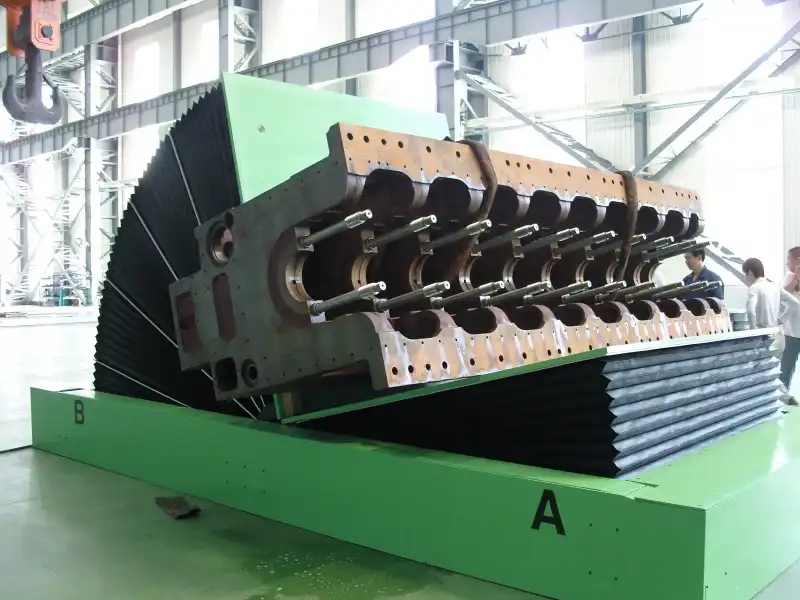
A New Era of Responsiveness in Mold Handling
The traditional supply chain for replacement parts can be slow and inflexible. 3D printing offers a paradigm shift, enabling manufacturers to produce parts on-demand, exactly when and where they are needed.
- Eliminating Inventory: 3D printing eliminates the need to maintain large inventories of replacement parts, reducing storage costs and the risk of obsolescence.
- Rapid Prototyping: Design changes can be implemented and tested quickly, allowing for continuous improvement and optimization of part designs.
- Localized Production: 3D printers can be deployed directly at the manufacturing site, enabling on-site production of replacement parts and reducing transportation costs and lead times.
- Customization at Scale: Even for low-volume production, 3D printing allows for the creation of customized parts tailored to specific needs, without the added cost of tooling.
By embracing on-demand 3D printing, manufacturers can transform their mold handling operations from reactive to proactive, minimizing downtime and maximizing productivity.
Cost-Effectiveness of 3D Printed Mold Upender Parts
Is your budget strained by expensive replacement parts and tooling costs? Explore the cost-saving potential of 3D printing for mold upender components.
3D printing offers a cost-effective alternative to traditional manufacturing for mold upender parts, reducing material waste, tooling costs, and lead times. This results in significant cost savings, especially for custom designs and low-volume production.
%[keywords]

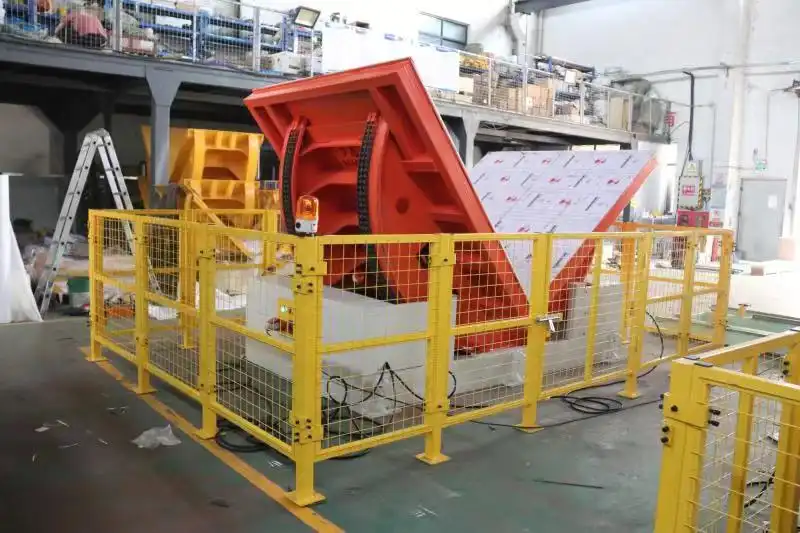
Unveiling the Economic Advantages of Additive Manufacturing
Beyond the technical benefits, 3D printing offers significant economic advantages for mold handling applications.
Reduced Material Waste
Traditional manufacturing processes often involve removing material to create the desired shape, resulting in significant waste. 3D printing, on the other hand, builds parts layer by layer, using only the material that is needed.
Minimized Tooling Costs
Creating molds and dies for traditional manufacturing can be expensive and time-consuming. 3D printing eliminates the need for tooling, reducing upfront costs and lead times.
Streamlined Supply Chain
On-demand 3D printing reduces reliance on external suppliers, simplifying the supply chain and reducing transportation costs.
Extended Lifespan
Durable parts through optimized designs and superior material strength contribute to less frequent part replacement and significantly decreased downtimes.
Cost Analysis
| Cost Component | Traditional Manufacturing | 3D Printing |
|---|---|---|
| Tooling Costs | \$5,000 | \$0 |
| Material Costs | \$1,000 | \$500 |
| Labor Costs | \$500 | \$200 |
| Lead Time | 4 Weeks | 2 Days |
| Total Cost | \$6,500 | \$700 |
Note: These are only example numbers
Rapid Prototyping at Lower Costs
Quick turnaround on prototypes and low-cost production costs for designs are some of the main factors leading to more cost-effective prototypes.
By carefully analyzing these factors, manufacturers can unlock the full cost-saving potential of 3D printing for mold upender parts.
Choosing the Right 3D Printing Technology for Your Mold Upender Parts
Which 3D printing method aligns best with your specific requirements?
%[keywords]

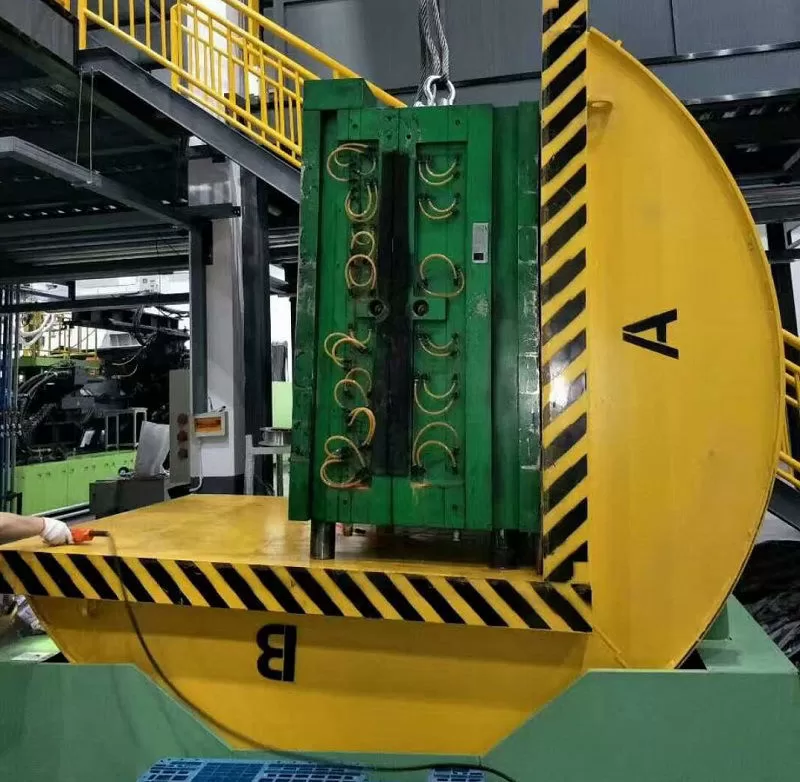
Several 3D printing technologies are suitable for manufacturing mold upender parts, each with its own advantages and limitations. The selection is usually based on factors, for example, material requirements, design complexity and total cost, for the best results.
To select the optimal 3D printing process, consider a comprehensive assessment, which will take into account the cost, material, manufacturing volume and geometric complexity.
Conclusion
3D printing is revolutionizing the manufacturing of mold upender parts, offering unparalleled customization, performance enhancement, and cost-effectiveness. By embracing this innovative technology, manufacturers can optimize their mold handling processes, reduce downtime, and gain a competitive edge. As [additive manufacturing] continues to evolve, it is poised to play an increasingly crucial role in shaping the future of mold handling and manufacturing.