

Are you struggling with slow mold changes and safety concerns? Imagine slashing changeover times, boosting efficiency, and creating a safer work environment—all while seeing a rapid return on your investment. It sounds ambitious, but it's achievable. Discover how a mold upender can transform your operations.
A mold upender investment can yield a rapid ROI by reducing mold changeover times, improving safety, minimizing downtime, and increasing overall efficiency. These benefits lead to significant cost savings and increased production capacity, resulting in a quick return on the initial investment.
Let’s delve into the specifics.

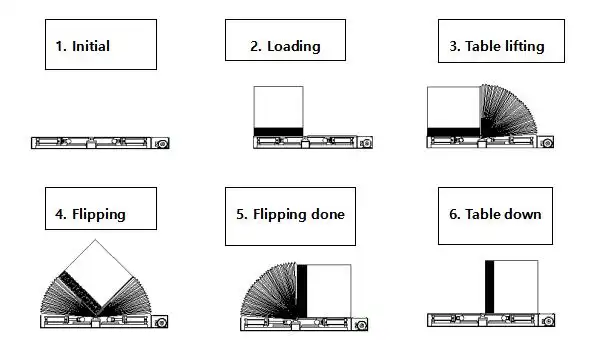
Unveiling the Mold Upender Advantage: ROI in Action
Every manufacturer seeks efficiency and profitability. A mold upender offers a pathway to achieving these goals, but how does it translate into a real return on investment (ROI)? This section explores concrete examples and actionable strategies for maximizing the benefits of this valuable equipment.
A mold upender investment achieves rapid ROI by streamlining operations, reducing labor costs, minimizing downtime, and enhancing safety. By improving mold handling and changeover processes, manufacturers experience increased production efficiency and significant cost savings, leading to a quick and substantial return on their initial investment.
Real-World ROI Examples
To understand the true impact of a mold upender, let's analyze some concrete examples:

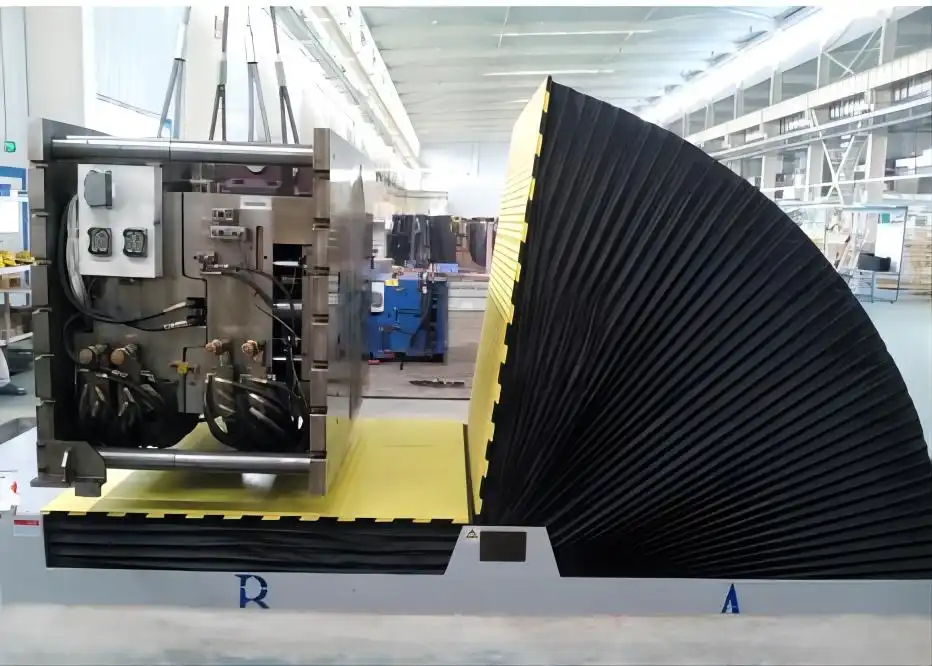
Case Study 1: Automotive Parts Manufacturer
An automotive parts manufacturer faced challenges with frequent mold changes, requiring a team of four workers and an average of two hours per changeover. After implementing a mold upender, they reduced the changeover time to just 30 minutes, requiring only two workers.
Case Study 2: Plastic Injection Molding Company
A plastic injection molding company struggled with the physical strain and safety risks associated with manually flipping heavy molds. Implementing a mold upender not only eliminated the risk of injury but also increased the speed of mold handling, leading to a 40% reduction in downtime.
Case Study 3: Appliance Manufacturer
An appliance manufacturer invested in a mold upender to improve the precision and safety of mold maintenance. The result was a 25% reduction in mold damage, leading to significant savings in repair and replacement costs.
Diving Deeper: Quantifying the Benefits
While anecdotal evidence is compelling, a clear understanding of ROI requires quantifying the benefits. Let's break down the key areas where a mold upender delivers tangible results.
1. Reduced Labor Costs
Manual mold handling is labor-intensive, requiring multiple workers and significant time. A mold upender automates much of the process, reducing the number of workers needed and the time spent on each changeover.
2. Minimized Downtime
Every minute of downtime translates to lost production and revenue. A mold upender significantly reduces changeover times, allowing for more frequent production runs and increased overall output.
3. Enhanced Safety
Manual mold handling poses a significant risk of injury, including strains, sprains, and crush injuries. A mold upender eliminates these risks, creating a safer work environment and reducing the potential for costly worker's compensation claims.
4. Increased Efficiency
By streamlining the mold handling process, a mold upender increases overall efficiency, allowing manufacturers to produce more parts in less time.
5. Reduced Mold Damage
The precise and controlled movements of a mold upender minimize the risk of damage to molds during handling and maintenance, extending their lifespan and reducing the need for costly repairs and replacements.
Detailed Breakdown of ROI
To illustrate the potential ROI, consider the following example:
| Metric | Manual Handling | Mold Upender | Improvement |
|---|---|---|---|
| Changeover Time | 2 hours | 30 minutes | 75% |
| Workers Required | 4 | 2 | 50% |
| Downtime per Week | 10 hours | 2.5 hours | 75% |
| Mold Damage Incidents | 5 per year | 1 per year | 80% |
| Labor Cost per Changeover | $400 | $100 | 75% |
Calculations:
- Labor Savings: Assuming 50 changeovers per year, the labor savings alone would be ( \$400 - \$100 ) * 50 = \$15,000.
- Downtime Savings: Assuming an hourly production value of \$1,000, the downtime savings would be ( 10 - 2.5 ) * 50 * \$1,000 = \$375,000.
- Mold Damage Savings: Assuming an average mold repair cost of \$2,000, the mold damage savings would be ( 5 - 1 ) * \$2,000 = \$8,000.
Total Annual Savings: \$15,000 + \$375,000 + \$8,000 = \$398,000
These figures highlight the potential for a mold upender to deliver a substantial ROI in a relatively short period.
By carefully analyzing these factors and tailoring the mold upender investment to their specific needs, manufacturers can unlock significant cost savings and maximize their financial returns.
Optimizing Mold Handling: Best Practices for Peak Performance
Investing in a mold upender is just the first step. To truly maximize its benefits, manufacturers must implement best practices for mold handling and changeover. This section provides actionable strategies for optimizing the use of this valuable equipment.
To optimize mold handling for peak performance, implement standardized procedures, provide comprehensive training, conduct regular maintenance, and ensure proper integration with existing equipment. These best practices will maximize the efficiency, safety, and ROI of your mold upender investment.

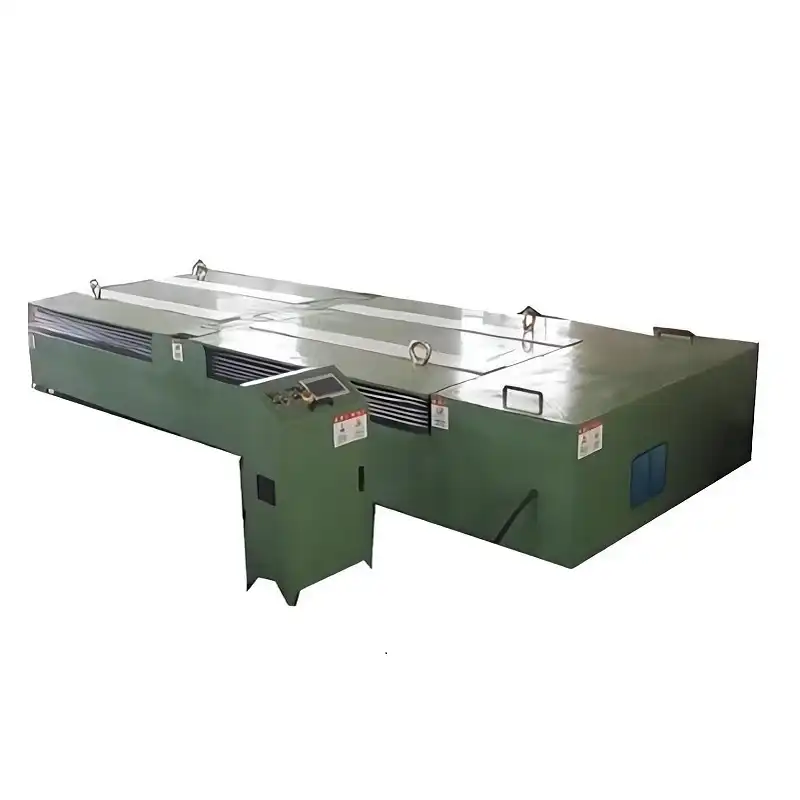
Strategies for Enhanced Mold Handling
1. Standardized Procedures
Establish clear and concise procedures for all aspects of mold handling, including:
- Mold inspection and cleaning: Implement a standardized process for inspecting and cleaning molds before and after use.
- Changeover procedures: Develop a step-by-step guide for mold changeovers, outlining the roles and responsibilities of each worker involved.
- Storage protocols: Establish a system for storing molds safely and efficiently, minimizing the risk of damage.
- Maintenance schedules: Create a schedule for regular mold maintenance, including cleaning, lubrication, and repairs.
2. Comprehensive Training
Provide thorough training to all workers involved in mold handling, covering topics such as:
- Safe operation of the mold upender: Ensure that all operators are fully trained on the safe and proper use of the equipment.
- Mold inspection and cleaning techniques: Teach workers how to identify potential problems and properly clean molds.
- Changeover procedures: Provide hands-on training on the standardized changeover procedures.
- Emergency procedures: Ensure that all workers know what to do in the event of an accident or equipment malfunction.
3. Regular Maintenance
Implement a schedule for regular maintenance of the mold upender, including:
- Inspecting and lubricating moving parts: Ensure that all moving parts are properly lubricated to prevent wear and tear.
- Checking hydraulic systems: Regularly inspect hydraulic systems for leaks and other problems.
- Calibrating sensors and controls: Ensure that all sensors and controls are properly calibrated for accurate and reliable operation.
- Replacing worn parts: Promptly replace worn parts to prevent equipment failures.
4. Seamless Integration
Ensure that the mold upender is properly integrated with existing equipment, such as:
- Cranes and hoists: Ensure that cranes and hoists are properly sized and positioned for safe and efficient mold handling.
- Mold storage racks: Design mold storage racks to accommodate the size and weight of the molds and to facilitate easy access.
- Production machinery: Coordinate the mold changeover process with production schedules to minimize downtime.
By implementing these best practices, manufacturers can unlock the full potential of their mold upender investment, achieving peak performance and maximizing their ROI.
The Technology Behind Rapid ROI: Key Features of a Mold Upender
The effectiveness of a mold upender lies in its technological design and capabilities. Understanding these features is essential for making an informed investment decision. Let’s explore the essential components that contribute to a mold upender's performance.
Mold upenders achieve rapid ROI through advanced hydraulics, user-friendly controls, robust safety features, and durable construction. These elements ensure efficient and safe mold handling, minimizing downtime and maximizing productivity, ultimately driving a quick return on investment.

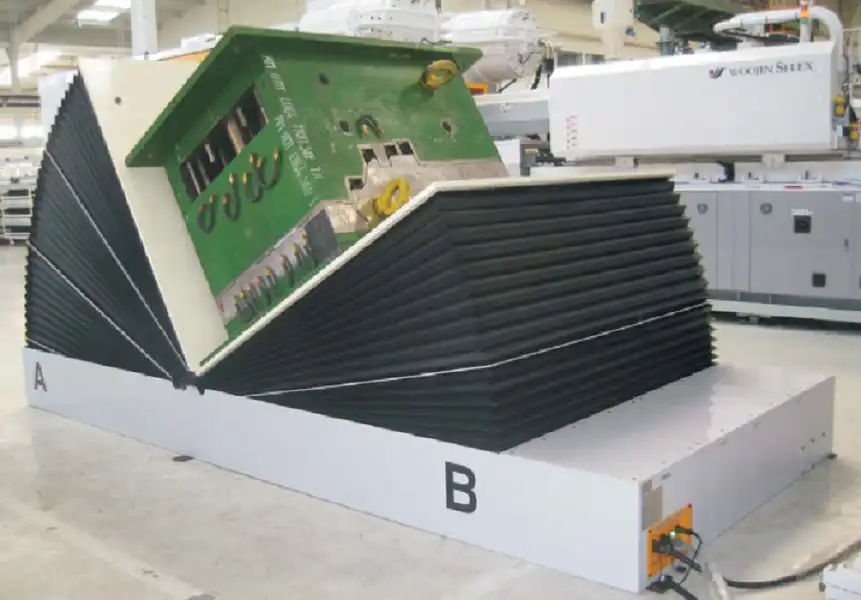
Understanding Key Features
To effectively utilize a mold upender and achieve optimal ROI, consider these vital aspects:
1. Hydraulic Power System
The hydraulic system forms the backbone of the mold upender, providing the necessary force and control to lift and rotate heavy molds.
- Capacity: Ensure the hydraulic system has sufficient capacity to handle the weight of your heaviest molds.
- Precision: Look for a system that offers precise control over lifting and rotating movements, minimizing the risk of damage.
- Reliability: Choose a hydraulic system with high-quality components and a proven track record of reliability.
2. Control System
A user-friendly control system is essential for safe and efficient operation.
- Intuitive interface: The control system should be easy to learn and operate, minimizing the risk of errors.
- Programmable settings: Look for a system that allows you to program specific settings for different molds, streamlining the changeover process.
- Safety interlocks: Ensure that the control system includes safety interlocks to prevent accidental operation.
3. Safety Features
Safety is paramount when handling heavy molds. A well-designed mold upender will incorporate multiple safety features.
- Emergency stop buttons: Strategically placed emergency stop buttons should be easily accessible in case of an emergency.
- Safety guards and interlocks: Safety guards and interlocks should prevent access to moving parts during operation.
- Overload protection: The equipment should have overload protection to prevent damage in case of excessive weight.
4. Robust Construction
A mold upender is a significant investment, so it's important to choose a model that's built to last.
- Heavy-duty frame: Look for a frame constructed of high-quality steel for maximum strength and durability.
- Durable components: Ensure that all components are designed to withstand the rigors of daily use.
- Corrosion resistance: Choose a model with corrosion-resistant coatings to protect against rust and other forms of degradation.
Detailed Analysis of Technical Specifications
To further illustrate the importance of these features, consider the following table:
| Feature | Specification | Impact on ROI |
|---|---|---|
| Lifting Capacity | 10,000 lbs | Ensures the equipment can handle a wide range of mold sizes, maximizing its versatility and reducing the need for multiple machines. |
| Rotation Speed | 0-90 degrees in 30 seconds | Reduces changeover times, increasing production output and minimizing downtime costs. |
| Control System Type | Programmable Logic Controller (PLC) | Provides precise and repeatable movements, minimizing the risk of damage to molds and ensuring consistent performance. |
| Safety Features | Emergency stop buttons, light curtains, interlocks | Reduces the risk of accidents and injuries, lowering worker's compensation costs and improving employee morale. |
| Frame Material | High-strength steel | Ensures long-term durability and reliability, minimizing maintenance costs and extending the lifespan of the equipment. |
By carefully considering these features and selecting a model that meets their specific requirements, manufacturers can maximize the value of their mold upender investment and achieve a rapid ROI.
Beyond Cost Savings: The Strategic Value of a Mold Upender
While cost savings are a primary driver for investing in a mold upender, the strategic value extends far beyond the bottom line. This section explores the less tangible but equally important benefits that this equipment can bring to an organization.

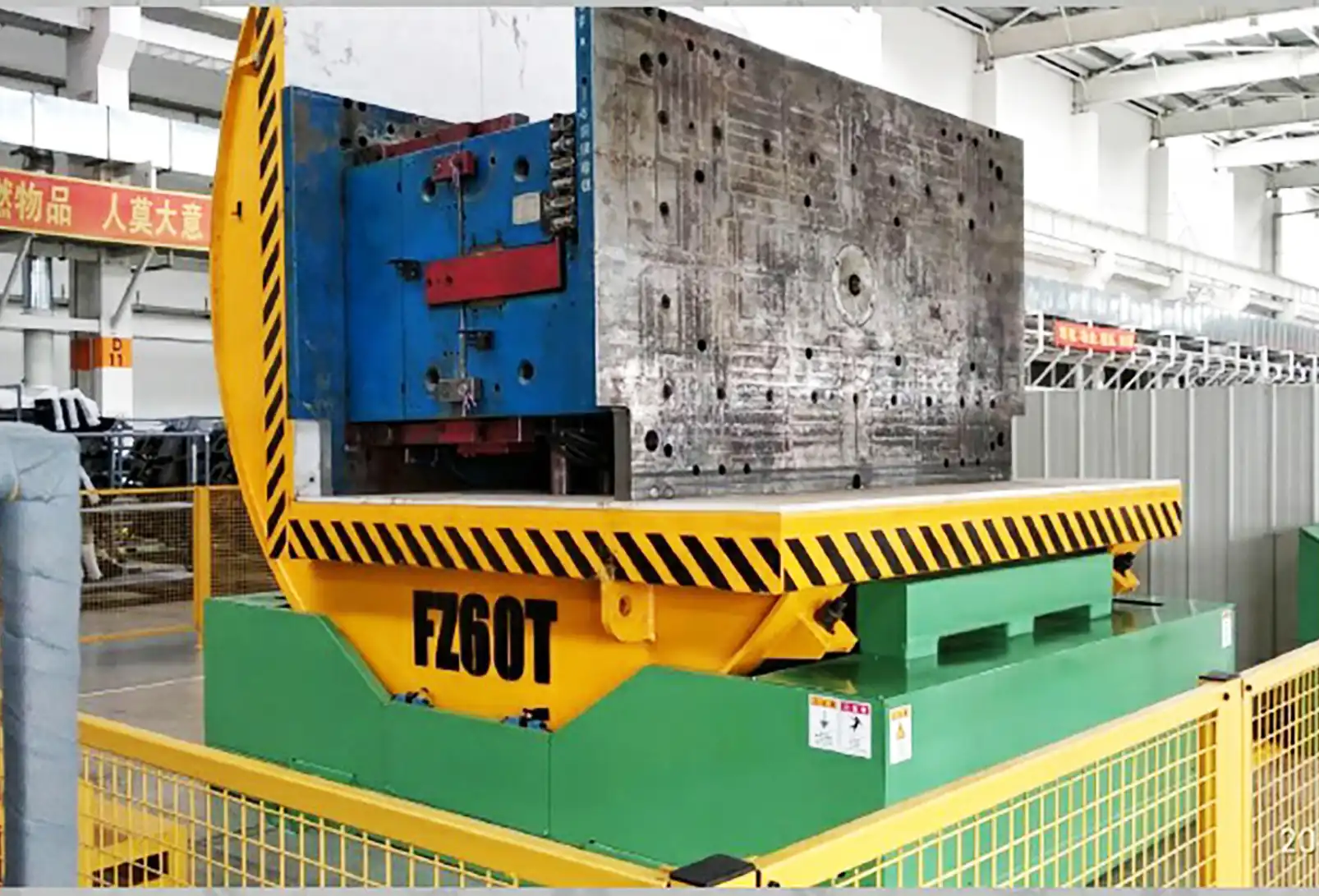
Beyond direct cost savings, mold upenders offer significant strategic value through improved employee morale, enhanced safety culture, and increased operational flexibility. These benefits create a more positive and productive work environment, leading to long-term success and a competitive advantage.
A well-chosen mold upender can revolutionize mold handling processes and positively impact the overall work environment. The key benefits are
1. Improved Employee Morale:
- Reduced physical strain: Automating mold handling reduces the physical demands on workers, leading to less fatigue and discomfort. This can lead to increased job satisfaction and reduced employee turnover.
- Enhanced sense of safety: By minimizing the risk of accidents and injuries, a mold upender creates a safer work environment, which can boost employee morale and confidence.
- Increased sense of value: When workers are provided with modern and efficient tools, they feel valued and respected, which can lead to increased engagement and productivity.
2. Enhanced Safety Culture:
- Demonstrated commitment to safety: Investing in a mold upender signals a commitment to employee safety, creating a culture where safety is a top priority.
- Reduced accidents and injuries: By eliminating the risk of manual handling injuries, a mold upender can significantly reduce the number of accidents and injuries in the workplace.
- Improved regulatory compliance: Meeting safety standards can improve compliance with regulations and reduce the risk of fines and penalties.
3. Increased Operational Flexibility:
- Faster changeovers: A mold upender allows for faster and more frequent mold changes, increasing operational flexibility and allowing manufacturers to respond quickly to changing customer demands.
- Ability to handle larger molds: Some mold upenders can handle larger and heavier molds than can be handled manually, opening up new production possibilities.
- Improved mold maintenance: Facilitating mold maintenance extends mold lifespan and reduces downtime related to repairs or replacements.
Ultimately, the strategic value of a mold upender lies in its ability to transform the work environment and create a culture of safety, efficiency, and engagement. This, in turn, leads to long-term success and a competitive advantage in the marketplace.
Conclusion
Investing in a mold upender is a strategic decision that can yield a significant ROI by streamlining operations, reducing labor costs, minimizing downtime, and enhancing safety. Client testimonial underscore the transformative impact of this technology, paving the way for increased profitability and a more efficient, safer, and productive work environment.