

Effectively managing material flow is critical for operational efficiency, cost control, and workplace safety in warehousing, manufacturing, and distribution. Manually handling heavy pallet loads poses significant risks of injury and product damage, while traditional heavy lifting equipment like forklifts and overhead cranes may be ill-suited for tasks requiring precise rotation or inversion. Pallet inverters emerge as a specialized and highly effective solution for these challenges. Choosing the right pallet inverter optimizes safety and efficiency within your facility. These machines allow for the easy and quick rotation or repositioning of fully loaded pallets, heavy items, and stacks of material, boosting productivity, reducing product damage, and preventing workplace injuries. Available in various sizes and load capacities, pallet inverters offer a safer and more efficient alternative to manual handling and potentially hazardous equipment misuse.
This article provides an overview of what pallet inverters are, their advantages and applications, and key factors to consider when selecting the optimal inverter for your specific operation.

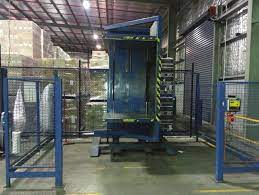
What is a Pallet Inverter?
A pallet inverter is a specialized piece of material handling equipment designed primarily to rotate a full pallet load, often by 180 degrees, though 90-degree rotation and other angles are also common capabilities. At their core, pallet inverters feature a unique clamping system that securely grips the load, preventing items from shifting or falling during the rotation process. This clamping action is typically hydraulically operated, applying sufficient pressure to hold the load firmly but carefully, especially important for fragile goods.
Compared to other heavy lifting equipment, pallet inverters are generally easier to operate and integrate smoothly with various warehouse systems and production lines. They can function as manually controlled, stand-alone units or be incorporated into larger automated material handling sequences. The basic operating principle involves placing the load into the inverter, securing it with the clamps, rotating the load to the desired orientation (commonly 180 degrees), releasing the clamps, and removing the load. Some automated systems include conveyors to feed loads into and out of the inverter, with sensors detecting the load to initiate the clamping and rotation sequence.
The primary uses for pallet inverters include:
- Changing out damaged pallets: When a pallet at the bottom of a stack is broken or compromised.
- Accessing damaged items: Retrieving damaged goods located at the bottom of a full load without manually unstacking everything.
- Repositioning pallet loads: Changing the orientation of fully loaded pallets within storage or staging areas.
- Handling bulky items: Rotating or manipulating heavy or cumbersome items or stacks of product that are difficult to handle manually.

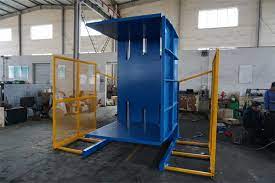
Advantages of Implementing Pallet Inverters
Integrating pallet inverters into material handling operations yields several significant benefits for businesses by streamlining and expediting processes:
- Improved Efficiency: Pallet inverters rapidly perform repetitive, labor-intensive tasks like lifting, moving, and reorienting heavy loads. This capability saves considerable time compared to manual methods, allowing employees to focus on other value-adding activities. They also significantly simplify damaged item recovery and pallet swapping, processes that would otherwise require complete manual unstacking and restacking.
- Reduced Expenses: Manual handling of large, heavy loads often leads to product damage and poses a high risk of employee strain or injury. By automating these tasks, inverters minimize production interruptions and reduce costs associated with damaged inventory and workers' compensation claims.
- Enhanced Safety: A primary benefit is the creation of a safer working environment. By eliminating the need for manual lifting or rotation of heavy loads, pallet inverters substantially reduce the potential for employee injuries, fostering a healthier workplace.
- Avoidance of Equipment Misuse: Using standard equipment like forklifts or overhead cranes to sling and turn heavy or awkward items can result in dangerous practices such as side-loading of hoists or unbalanced loads. Pallet inverters are specifically designed for rotation, eliminating these hazards and preventing the improper use of general lifting equipment.

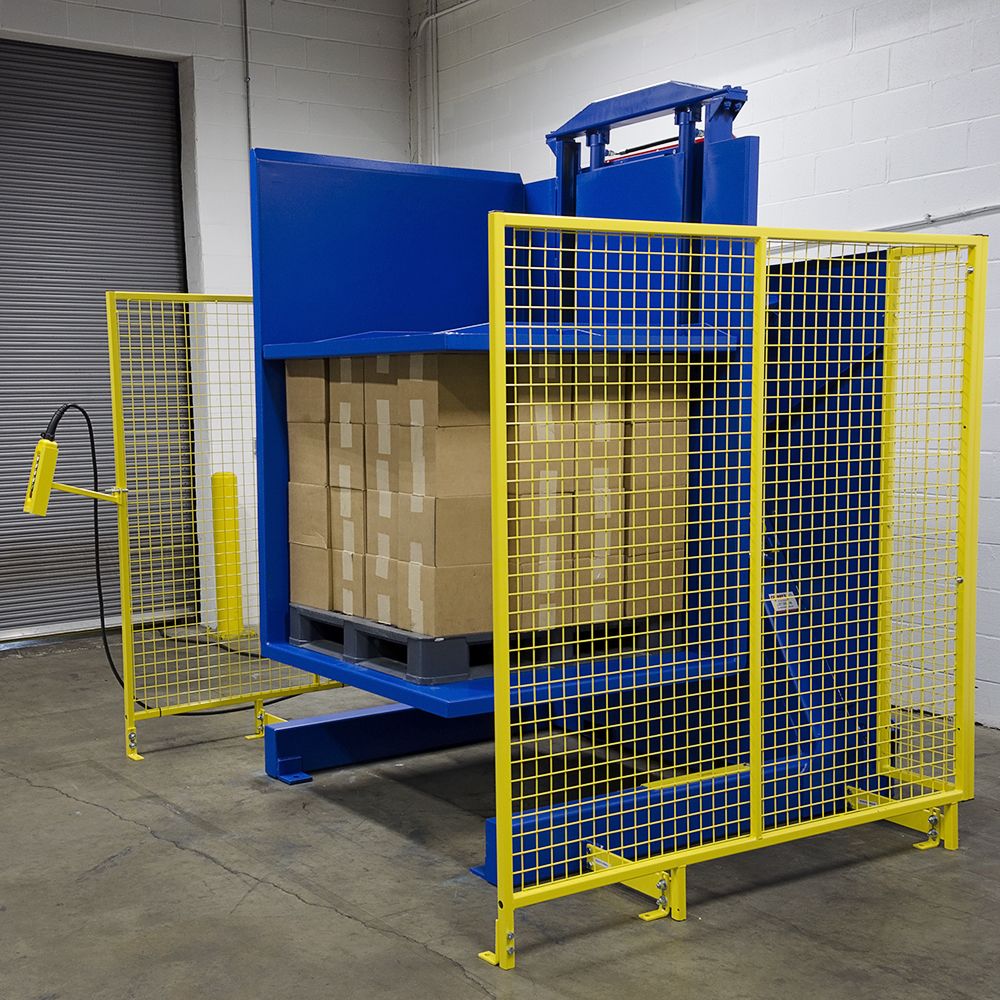
Applications Across Industries
Pallet inverters are highly versatile machines with applications extending beyond simple pallet-to-pallet transfer. They contribute to optimizing warehouse space and workflows through various essential material handling tasks:
- Efficient Damage Recovery: As mentioned, inverters allow quick access to damaged items at the bottom of loads or enable the replacement of broken pallets without manual restacking. This saves time and prevents further damage or messes, especially with products like dry ingredients prone to tearing or caking.
- Pallet Swapping: This is a crucial application in industries with strict hygiene requirements, such as food and pharmaceuticals. Goods shipped on wooden pallets may need to be transferred to clean plastic or hygienic pallets before entering production zones or clean rooms. Inverters facilitate this swift exchange without unpacking and repacking shipments. Conversely, they can transfer goods from high-quality storage pallets to cheaper, expendable shipping pallets for distribution.
- Rotating Large Products: Pallet inverters aren't limited to pallets alone. They can rotate large, cumbersome items difficult to handle manually, such as metal castings, steel coils, or rolls of material. This is invaluable in operations requiring a change in product orientation for subsequent processing like printing, steel stamping, or manufacturing laminated products.
- Rotating Large Stacks of Material: Beyond individual items or palletized goods, inverters can handle and rotate entire heavy stacks of materials like sheets, paperboards, or laminated products. This allows operators to invert the whole stack as a unit, dramatically saving time and labor compared to rotating items individually.
- Product Orientation for Storage/Processing: Pallet inverters can orient products or pallet contents for optimal storage space utilization or to prevent settling or caking of certain materials during long-term storage.

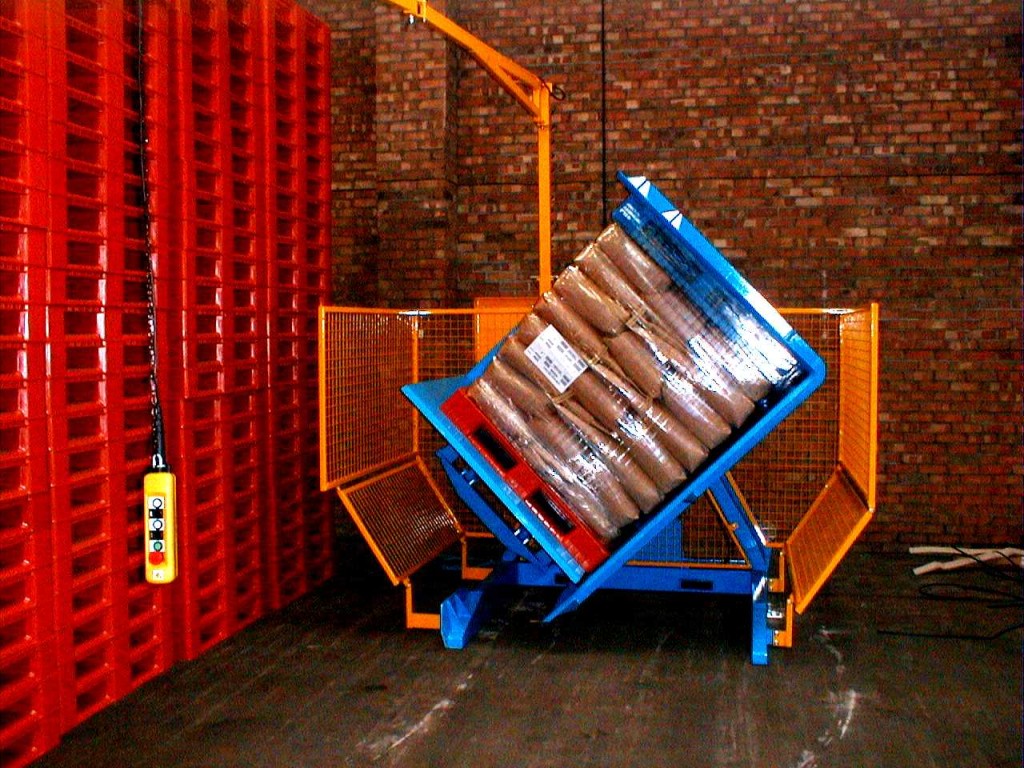
Key Factors When Choosing a Pallet Inverter
Selecting the most appropriate pallet inverter for your operation requires careful consideration of several specific factors related to your loads, workflow, and facility constraints. Asking the right questions about your needs will guide you to the best solution:
- Load Sizes and Weights: What are the typical and maximum weights and dimensions (height, width, depth) of the loads you will be handling? The inverter's capacity (in pounds or kilograms) and maximum/minimum load dimensions must be sufficient. For load height, a common guideline is to choose an inverter with a height range adding at least five inches to your largest pallet load height to allow for pallet clearance.
- Load Variety: Will you be handling loads with largely consistent sizes and weights, or will there be significant variation? If you handle a diverse range of loads, including small or partial pallets, opt for an inverter with a larger clamp range or a dual-clamp design, which can often accommodate varying heights more smoothly and provide a more balanced rotation for delicate loads.
- Product Durability and Type: How delicate or robust are the products you will be inverting? Fragile items require an inverter with adjustable clamp pressure settings to ensure loads are secured without being crushed. The type of product (e.g., liquids prone to spills, dry goods prone to caking, solid blocks, sheet goods) may also influence the best clamping mechanism or inverter features.
- Daily Volume/Usage Frequency: How many loads per day or per shift will the inverter need to handle? Operations with high volume demands (major manufacturers/distributors) will require a heavy-duty, fast inverter designed for continuous, reliable operation and quick cycle times. For smaller-scale operations with lower daily volumes (e.g., 10-15 loads per day), a low-duty or more economical model might be sufficient and more cost-effective.
- Loading Process and Facility Integration: How will loads be transported to and from the inverter? Consider your existing material handling equipment (forklifts, pallet jacks) and your facility's layout. Some inverters are designed for forklift loading (common models), others for ground-level loading using a pallet jack (suitable for tight spaces or areas where forklifts are restricted, like clean rooms), and some utilize ramps. Assess whether you need a stand-alone unit or one that integrates into an automated conveyor line system. Space availability for the inverter and its loading/unloading area is crucial.
- Specific Applications: Are there unique requirements for your application? For example, industries requiring high hygiene standards (food, pharma) may need stainless steel construction for easy cleaning. Operations handling difficult-to-handle materials like slippery plastic sheets or newspaper inserts might benefit from increased clamping force or specific design features like movable sidewalls or ramps.
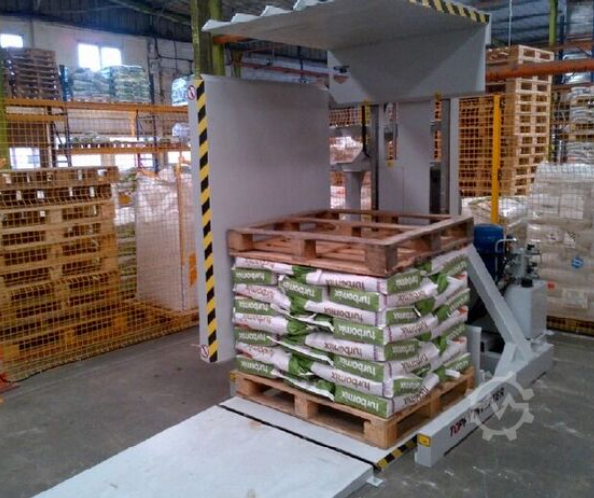

Types of Pallet Inverters
Based on loading method, clamping mechanism, and intended use, several types of pallet inverters are commonly available:
- Single Clamp Pallet Inverter: Often the most economical and popular standard option. It features one main moving clamp and is generally suitable for lighter to standard loads and operations where loads are relatively consistent in size. Typically forklift loaded.
- Dual Clamp Pallet Inverter: Uses two clamping plates, providing a more balanced grip. This design is often preferred for handling varying load heights and delicate products as it can offer smoother rotation. Can handle larger ranges of load heights compared to single clamp models.
- Ground Level Loading Inverter: Designed with a loading dock flush with the ground, allowing loading and unloading using a pallet jack or manual/electric pallet truck instead of a forklift. Ideal for facilities with limited forklift access or space, or in areas prohibiting forklifts.
- Ramp Loading Inverter: Features an integrated ramp (e.g., 6 or 8 feet long) for easier loading of certain difficult-to-handle materials or heavy loads, often found in industries dealing with paper, board, or sheet materials requiring increased clamping force.
- Stainless Steel Pallet Inverter: Constructed with stainless steel components (frame parts, clamping plates) to meet stringent hygiene standards in industries like food, pharmaceuticals, or chemicals. Often designed for easy cleaning and may include features like movable sidewalls for specific load types (e.g., Gaylord boxes).
- Low Duty Pallet Inverter: An economical option designed for small to medium-sized businesses or operations with lower daily inversion volumes (e.g., 10-15 loads/day). Provides essential functionality for basic pallet exchange and load rotation without the capacity or speed of heavy-duty models.
- Custom Pallet Inverters: For highly specific or unusual requirements regarding load size, weight, shape, material properties, or integration needs, many manufacturers offer custom-designed pallet inverters tailored to exact specifications.
Buying vs. Renting
When considering acquiring a pallet inverter, businesses typically have the option to buy or rent.
- Buying: A purchase is generally suitable for operations with consistent, long-term, and high-volume pallet inversion needs. Factors to consider before buying include assessing your specific operational requirements, researching reputable suppliers known for quality and reliability, comparing different models based on features and specifications, and conducting a cost analysis that considers the total cost of ownership (purchase price, maintenance, energy consumption, lifespan). Ensuring access to maintenance and service support from the supplier is also crucial.
- Renting: Renting can be advantageous for businesses with short-term projects, seasonal peaks, sporadic inversion needs, or limited capital budgets. Advantages of renting include avoiding a large upfront investment, offering flexibility to adjust equipment based on changing needs, providing access to different or newer equipment models, and often including maintenance and support within the rental agreement. When renting, evaluate potential providers based on their reputation, equipment quality, and the terms and conditions of the rental agreement.
The decision to buy or rent hinges on factors like budget, the duration and frequency of your inversion needs, and available resources. Evaluating the predictability of your long-term needs is key to determining the most cost-effective and flexible approach.
Conclusion
Pallet inverters are indispensable tools for optimizing material handling in numerous industries. They significantly improve efficiency, reduce operational costs by minimizing product damage, and critically, create a safer working environment by eliminating hazardous manual lifting and rotation.
Choosing the right pallet inverter is not a one-size-fits-all decision. It requires a thorough assessment of your specific operational needs, including the characteristics of your loads, the required daily volume, how the inverter will integrate into your existing workflow, and the constraints of your facility space. By carefully considering these factors and understanding the different types and features available, businesses can select a pallet inverter that provides the most effective and safe solution for their unique material handling challenges, contributing to increased productivity and a more streamlined operation.