

Can a Coil Packing Machine Reduce Human Error in Packaging?
Are you tired of inconsistent packaging and costly errors in your manufacturing process? Imagine a solution that not only speeds up your packaging line but also drastically reduces mistakes, ensuring every product is perfectly wrapped. Could a coil packing machine be the answer to achieving error-free packaging and boosting your operational efficiency?
Yes, a coil packing machine can significantly reduce human error in packaging by automating and standardizing the wrapping process. These machines ensure consistent wrap quality, precise material usage, and enhanced product protection, minimizing the variability and mistakes inherent in manual packaging methods. This leads to fewer damaged goods, reduced material waste, and improved overall packaging consistency.
Let's explore how coil packing machines are revolutionizing industrial packaging, offering a pathway to greater accuracy and reliability.
How Does Automation Reduce Inconsistencies in Packaging?
In manual packaging, inconsistencies are almost inevitable. Each operator might wrap coils slightly differently, leading to variations in tightness, material usage, and overall protection. This variability can compromise product quality and increase waste. But what if you could eliminate these inconsistencies and ensure every coil is packaged to the same high standard?
Automation dramatically reduces inconsistencies in packaging by standardizing the entire wrapping process. Coil packing machines operate with pre-programmed settings, applying consistent tension, wrap patterns, and material amounts to each coil. This eliminates the variations that occur with manual wrapping, ensuring uniform packaging quality and minimizing errors related to inconsistent application. By removing human variability, these systems deliver reliability and predictability to your packaging line.

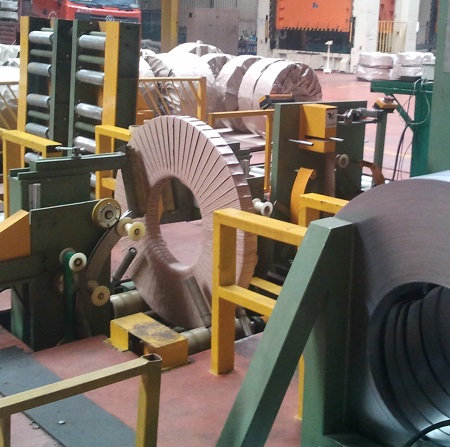
Eliminating Variability: The Power of Standardization
Manual coil wrapping is heavily reliant on the skill and diligence of individual operators. Factors such as fatigue, varying levels of experience, and simple lapses in concentration can lead to significant inconsistencies. One operator might apply too much stretch film, while another might not apply enough, or wrapping tension might fluctuate throughout a shift. These variations not only affect the appearance of the packaging but, more importantly, the level of protection afforded to the coil.
Automated coil packing machines, on the other hand, introduce a level of standardization that manual processes simply cannot match. Once programmed with the optimal settings for a particular coil type and packaging material, the machine repeats the process identically for every subsequent coil. This standardization stems from several key features of automated systems:
- Pre-set Programs: Machines are programmed with precise parameters for wrapping cycles, tension, and overlap. These settings are consistently applied, eliminating operator-to-operator variability.
- Sensor-Driven Adjustments: Advanced machines use sensors to detect coil dimensions and automatically adjust wrapping parameters, ensuring a custom fit and consistent application regardless of minor coil variations.
- Consistent Mechanical Operation: The mechanical nature of the wrapping process ensures that movements, speeds, and forces are consistently applied, unlike the variable physical effort of manual wrapping.
To illustrate the impact of standardization, consider the following comparison:
| Feature | Manual Wrapping | Automated Coil Packing |
|---|---|---|
| Consistency | Highly Variable | Highly Consistent |
| Material Usage | Inconsistent, prone to waste | Precise, minimal waste |
| Wrapping Quality | Operator Dependent, Variable | Machine Controlled, Uniform |
| Error Rate | Higher, due to human factors | Significantly Lower |
| Adjustment | Manual, subjective | Programmed, objective |
As the table shows, automated coil packing provides a predictable and uniform process, drastically reducing the inconsistencies that are inherent in manual methods. This shift to standardization is crucial for businesses aiming for high-quality, reliable packaging.
What Role Does Precision Play in Minimizing Errors?
Beyond consistency, precision is another critical factor in reducing packaging errors. Manual wrapping often relies on estimations and approximations, leading to inaccuracies in material usage and tension control. Imagine the impact of applying exactly the right amount of wrapping material and tension every time. How does this level of precision translate into fewer errors and better packaging outcomes?
Precision in coil packing machines is vital for minimizing errors by ensuring accurate material application and consistent tension control. These machines use precise settings to apply the exact amount of wrapping material needed and maintain uniform tension throughout the wrapping cycle. This level of accuracy reduces material waste, prevents product damage from over or under-wrapping, and enhances the overall quality and reliability of the packaging.

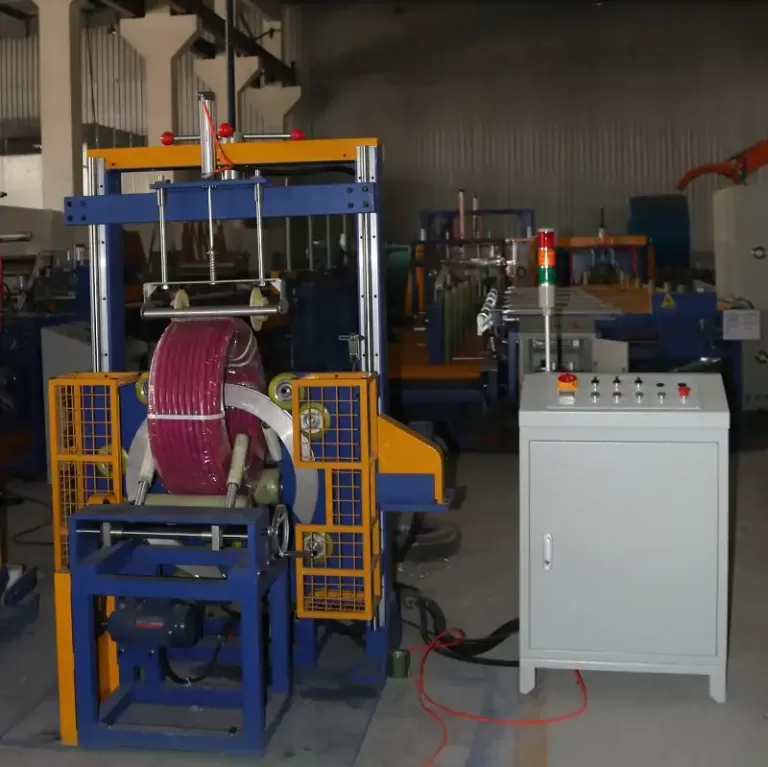
Fine-Tuning for Flawless Packaging
The precision offered by automated coil packing machines goes far beyond what can be achieved manually. It's about eliminating guesswork and implementing exact control over every aspect of the wrapping process. This precision manifests in several key areas:
- Accurate Material Measurement: Automated systems utilize sensors and programmable logic controllers (PLCs) to precisely measure the amount of wrapping film or paper dispensed. This eliminates the tendency for manual operators to overestimate material needs, reducing waste and cost. Furthermore, it ensures that each coil receives sufficient material for adequate protection, without excessive layers.
- Consistent Tension Application: Maintaining the correct wrapping tension is crucial. Too little tension and the wrapping will be loose and ineffective; too much, and it could damage the coil or the wrapping material itself. Automated machines employ sophisticated tension control systems that maintain a pre-set tension throughout the wrapping cycle, regardless of coil shape or size variations. This uniform tension ensures optimal security and stability.
- Precise Overlap and Coverage: For certain wrapping materials and protection requirements, precise overlap is necessary to create a sealed and robust package. Automated machines can be programmed to achieve specific overlap percentages, ensuring consistent and complete coverage of the coil surface, minimizing gaps and vulnerabilities.
The benefits of this precision are manifold:
- Reduced Material Costs: By using exactly the required amount of wrapping material, waste is minimized, leading to significant cost savings over time, especially in high-volume operations.
- Enhanced Product Protection: Consistent tension and accurate material application ensure that coils are securely wrapped and protected from environmental factors, handling damage, and transit stresses.
- Improved Package Integrity: Precision wrapping leads to tighter, more secure packages that are less likely to unravel or become damaged during storage and transportation, maintaining product integrity from factory to customer.
How Does Automation Impact Workflow Efficiency?
Manual coil packaging is often a slow, labor-intensive process that can create bottlenecks in production lines. Imagine streamlining this process, freeing up valuable labor and accelerating your output. How does automating coil packing contribute to a more efficient and productive workflow?
Automation significantly boosts workflow efficiency by streamlining the wrapping process, reducing bottlenecks caused by manual handling, and optimizing labor allocation. Coil packing machines dramatically reduce wrapping cycle times compared to manual methods, enabling faster throughput. They also minimize the need for manual intervention, allowing for continuous operation and smoother production flow. By reallocating labor to more value-added tasks, automation enhances overall productivity and operational efficiency.

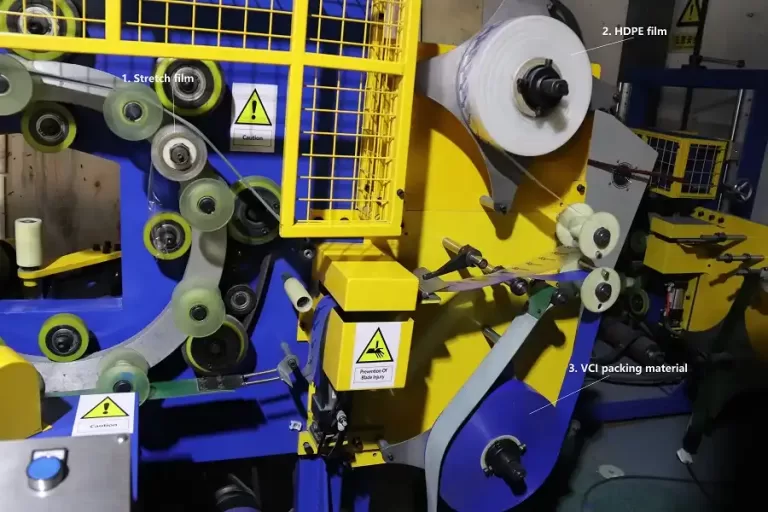
Speed, Streamlining, and Labor Optimization
The impact of automation on workflow efficiency is profound, transforming coil packaging from a potential bottleneck into a seamless part of the production process. This transformation is driven by several key improvements:
- Increased Wrapping Speed: Automated coil packing machines operate at significantly higher speeds than manual wrapping. A typical manual wrapping process might take several minutes per coil, whereas an automated machine can complete the same task in seconds. This speed advantage becomes critical in high-volume manufacturing environments where throughput is paramount.
- Continuous Operation and Reduced Downtime: Manual wrapping requires breaks, shift changes, and is susceptible to operator fatigue, all of which contribute to downtime. Automated machines can operate continuously for extended periods, with minimal downtime required for maintenance or material replenishment. This continuous operation maximizes production time and output.
- Minimized Manual Handling: Automated systems reduce the amount of manual handling required throughout the packaging process. From coil loading to wrapping and discharge, machines can perform many tasks autonomously, freeing up human operators from repetitive and physically demanding work. Reduced manual handling also translates to fewer handling-related damages and improved workplace safety.
- Optimized Labor Allocation: By automating the wrapping process, businesses can reallocate labor resources to more strategic and value-added activities. Instead of dedicating multiple workers to the wrapping line, personnel can be redeployed to quality control, machine maintenance, logistics, or other areas where human skills are more effectively utilized. This optimized labor allocation increases overall productivity and job satisfaction.
The efficiency gains are clearly illustrated when comparing manual and automated coil packing workflows:
| Efficiency Metric | Manual Wrapping | Automated Coil Packing |
|---|---|---|
| Wrapping Speed | Slow | Fast |
| Throughput | Lower | Higher |
| Labor Requirement | High | Low |
| Bottlenecks | Prone to Bottlenecks | Reduced Bottlenecks |
| Downtime | Higher (breaks, fatigue) | Lower (continuous operation) |
| Labor Allocation | Inefficient, repetitive | Optimized, strategic |
By transitioning to automated coil packing, businesses can achieve a significant leap in workflow efficiency, leading to increased output, reduced lead times, and lower operational costs.
Why Is Automation Essential for Meeting Quality Standards?
In today's competitive market, meeting and exceeding quality standards is not just desirable; it's essential for business survival. Poor packaging can lead to product damage, customer dissatisfaction, and even regulatory non-compliance. How does automation ensure that coil packaging consistently meets the stringent quality demands of modern industries?

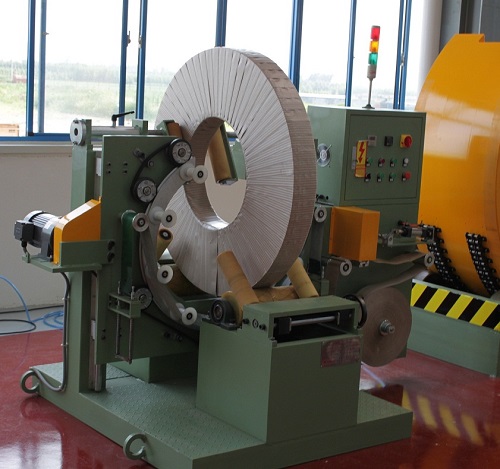
Automation is essential for consistently meeting high quality standards in coil packaging by ensuring reliable quality control, facilitating compliance with industry regulations, and enhancing brand reputation through superior packaging. Automated systems deliver uniform packaging quality, adhering to pre-defined standards every time, eliminating variability. They are also programmed to meet specific regulatory requirements, reducing compliance risks. Furthermore, consistent, high-quality packaging enhances product presentation and reinforces a brand's commitment to quality.

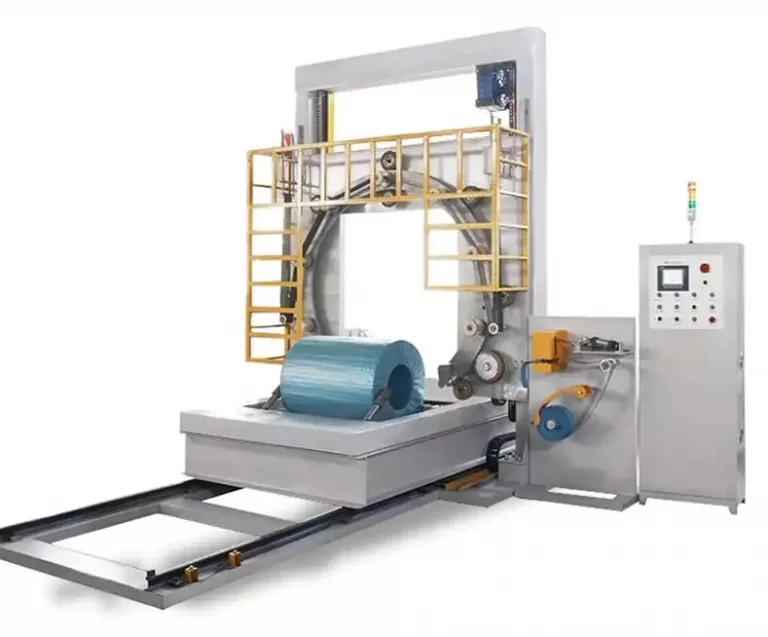
Automated coil packing machinery plays a pivotal role in upholding quality standards across several dimensions:
- Consistent Quality Control: Automated systems provide a level of quality control that is difficult to achieve with manual processes. Machines are programmed to execute wrapping procedures with precision and consistency, ensuring that every coil is packaged to the same pre-defined standard. This eliminates the variability associated with human operators and subjective judgments, leading to more reliable and predictable packaging quality. Automated quality checks, such as film tension monitoring and wrap cycle counters, can be integrated into the system, further enhancing quality assurance.
- Regulatory Compliance: Many industries, particularly those dealing with metal products, are subject to stringent packaging regulations. These regulations may dictate specific requirements for material types, wrapping methods, and package integrity to ensure product safety and prevent environmental damage during transportation and storage. Automated coil packing machines can be programmed to adhere to these specific guidelines, ensuring that every package meets regulatory requirements. This reduces the risk of non-compliance penalties, legal issues, and product recalls.
- Enhanced Brand Reputation: In today's visually driven marketplace, packaging is an extension of the brand. High-quality, consistent packaging conveys professionalism, attention to detail, and a commitment to product excellence. Automated coil packing machines contribute to a superior brand image by ensuring that products are consistently well-presented, securely protected, and visually appealing. This positive impression enhances customer satisfaction, builds brand trust, and fosters customer loyalty. Conversely, inconsistent or substandard packaging can damage brand reputation and lead to customer churn.
In essence, automated coil packing is not merely about efficiency gains; it is a strategic investment in quality assurance. By minimizing human error and maximizing consistency, precision, and compliance, these machines empower manufacturers to meet and exceed ever-increasing quality expectations, ultimately contributing to long-term business success and a stronger market position.
Conclusion
Investing in a coil packing machine is a strategic move towards minimizing human error and elevating packaging operations. The benefits extend beyond simple automation, encompassing enhanced consistency, improved precision, and streamlined workflows. For businesses striving for operational excellence and superior product presentation, automated coil packing solutions are indispensable. Embracing advancements like [wire packing automation] not only addresses immediate packaging challenges but also positions companies for sustained success in a competitive global market.