

Automatic Coil Packing Line vs. Traditional Manual Packing: A Comprehensive Guide
For over two decades in the coil and wire packing industry, I've seen countless factory managers like Michael in Mexico face the same tough decision. They stand at a crossroads, looking at their production floor. On one side, there's the familiar, labor-intensive manual packing process. On the other, there's the promise of an automated packing line. The pressure is immense: production bottlenecks, rising labor costs, and constant safety worries. The choice between sticking with the old way or investing in new technology isn't just about buying a machine. It's about the future of your entire operation. This guide is for every manager who feels this pressure and needs a clear, honest comparison to make the right choice for their metal processing plant.
The core difference between an automatic coil packing line and traditional manual packing is the complete removal of human labor from the core packaging process. An automatic line uses a coordinated system of machines—like conveyors, wrappers, and strappers—to move, protect, and secure coils without manual intervention. In contrast, traditional packing relies entirely on workers for lifting, wrapping, and strapping, which is slower, less consistent, and poses significant safety risks. This fundamental shift from manpower to machine power is what drives the dramatic improvements in output, safety, and cost control that modern factories desperately need.
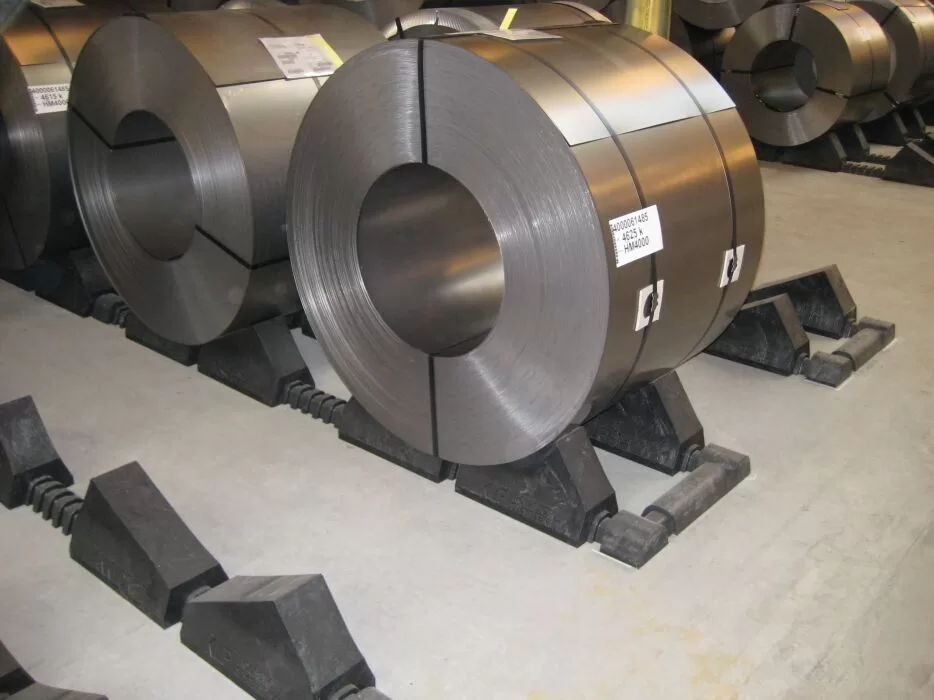

If you're managing a steel mill or metal service center and feel trapped by slow packing speeds and high costs, you're not alone. The decision to automate is complex. You need to understand not just the price tag, but the real impact on your floor. This guide will break down the key questions: How much faster is it really? Is the investment worth it? How do you choose the right partner? We'll move beyond sales pitches and look at the practical, operational truths from the perspective of someone who has built and run these lines. Let's dive in and compare these two worlds in detail.
1. What are the core operational differences on the factory floor?
Walk onto a floor using traditional manual packing. You will see a team of workers. They use forklifts or cranes to move heavy steel coils. They manually apply protective materials like edge guards or paper. They often hand-wrap film or pass strapping around the coil. The process is physical, variable, and depends heavily on worker skill and stamina. The pace is set by human speed. Now, walk onto a floor with an automatic coil packing line. The coil enters the line, often from a conveyor. Machines position it, apply protection, wrap it in film or apply strapping, and then send it out for storage—all without a person touching the product. The environment is quieter, more organized, and the pace is set by a programmable logic controller (PLC). The shift is from a labor-centric to a process-centric operation.
The core operational difference lies in workflow integration and consistency. A manual process is a series of disconnected, human-dependent tasks. An automatic line is a continuous, integrated material flow system. The machine ensures every coil is packed with identical tension, overlap, and placement, eliminating the variability inherent in manual work. This consistency is not just about looks; it directly translates to better product protection and reliable throughput you can plan your shipping schedules around.


🔄 Breaking Down the Workflow: A Step-by-Step Comparison
Let's map out the journey of a single steel coil through both systems. This shows where time is saved and risks are removed.
| Processing Step | Traditional Manual Packing | Automatic Coil Packing Line | Key Advantage of Automation |
|---|---|---|---|
| 1. Coil Transfer | Forklift operator moves coil to packing station. Multiple hand-offs possible. | Infeed conveyor or turning roll receives coil directly from production. | Eliminates forklift traffic, reduces handling damage, seamless flow. |
| 2. Positioning & Alignment | Workers use bars or machines to nudge coil into place. Eye measurement. | Centering rolls or V-shaped guides automatically center the coil for processing. | Perfect alignment every time, crucial for even wrapping/strapping. |
| 3. Edge Protection | Worker manually slides steel or plastic edge protectors onto both sides. | An automatic edge guard applicator places protectors with precise pressure and position. | Consistent application, no missed edges, much faster. |
| 4. Primary Packaging (e.g., Wrapping) | Worker holds film roll, walks around coil, or uses a slow rotary arm. Tension varies. | A rotating ring or rotating coil wrapper applies pre-stretched film with programmable layers and tension. | Superior load stability, up to 70% film savings, 5-10x faster speed. |
| 5. Securing (e.g., Strapping) | Worker feeds strapping around coil, tensions it, and seals it—a heavy, risky task. | An automatic strapping machine (like those from Fengding or Wuxi Buwei) applies multiple straps at set positions. | Consistent tension, perfect placement, zero physical strain on workers. |
| 6. Labeling & Discharge | Worker manually applies shipping label. Forklift removes finished pack. | Print-and-apply labeler auto-applies barcode. Outfeed conveyor moves pack to staging. | Accurate tracking, ready for direct truck loading, final touch automation. |
💡 The Insight on Labor: The manual process turns your skilled workers into packers, a high-turnover role. The automatic process reallocates them to machine oversight, maintenance, and quality control—higher-value tasks that improve job satisfaction and retention. The operational shift isn't about replacing people; it's about upgrading their role in your value chain. (long tail keywords: integrated coil packaging workflow, automatic steel coil positioning, programmable wrapping tension, coil strapping machine automation)
2. How does the cost analysis compare over 5 years?
Many managers look first at the upfront purchase price. An automatic line has a significant initial cost. A manual setup seems cheap—just some tools and labor. This view is a trap. It ignores the total cost of ownership (TCO). To make a smart business decision, you must analyze costs over a typical 5-year period. This includes capital expenditure (CAPEX), operating expenses (OPEX), and the often-hidden costs of downtime and defects. For a medium-sized plant running two shifts, the financial picture becomes very clear very quickly. The question shifts from "Can we afford the machine?" to "Can we afford not to have it?".
A comprehensive 5-year cost analysis typically reveals that while the initial investment for an automatic line is higher, the total cost of ownership (TCO) is often lower than manual packing. The savings come from drastic reductions in direct labor, material waste, product damage, and workplace injury costs. The automated system provides a faster, predictable return on investment (ROI) through consistent output and lower operational expenditure. The key is calculating your specific payback period based on your coil volume and local labor rates.


📊 The 5-Year Cost Breakdown Table
Let's put numbers to the theory. The table below compares estimated costs for a facility packing 50 coils per shift. The numbers are illustrative but based on real-world data from client projects.
| Cost Category | Traditional Manual Packing (5-Year Est.) | Automatic Packing Line (5-Year Est.) | Notes & Assumptions |
|---|---|---|---|
| Initial Investment (CAPEX) | $50,000 | $300,000 | Manual: Tools, basic stations. Auto: Full line (e.g., Fengding-grade system). |
| Direct Labor Costs | $1,000,000 | $200,000 | Manual: 8 workers @ $25/hr. Auto: 2 supervisors/machine tenders. |
| Packaging Material Waste | $125,000 | $75,000 | Auto systems use pre-stretch film and precise strapping, cutting waste by ~40%. |
| Product Damage & Rejects | $100,000 | $25,000 | Consistent machine handling drastically reduces edge damage and repack costs. |
| Safety & Insurance | $75,000 | $25,000 | Manual: High risk of back/strap injuries. Auto: Minimal direct handling risk. |
| Downtime & Inconsistency | $150,000 | $50,000 | Manual: Slower pace, variable output. Auto: Predictable throughput, less bottleneck. |
| Maintenance & Utilities | $20,000 | $60,000 | Automatic systems require planned maintenance and spare parts (a key service point). |
| 🚀 Total 5-Year Cost | ~$1,520,000 | ~$735,000 | |
| ✅ Potential 5-Year Savings | -- | ~$785,000 | ROI Period: Often 18-30 months. |
💡 The Hidden Cost of "Cheap": The biggest cost in manual packing isn't on the spreadsheet. It's opportunity cost. While your line is slowed by manual packing, you cannot accept more orders. You lose business to faster competitors. An automatic line becomes a profit center, not just a cost center. It increases your plant's capacity and agility. When evaluating suppliers like Fengding or Wuxi Buwei, don't just ask for the machine price. Ask for a detailed ROI simulation based on your production data. A trustworthy partner will provide this. (long tail keywords: coil packing line ROI calculation, total cost of ownership automation, packaging material waste reduction, automatic strapping machine payback period)
3. Which system offers better safety and risk management?
Safety is not just a compliance box to tick. In heavy industries like steel and wire, it's a core operational and moral responsibility. Manual coil packing is one of the most hazardous areas in a plant. Workers are exposed to heavy loads, pinch points, repetitive strain, and the danger of snapping steel strapping. I've seen too many incidents—back injuries, crushed fingers, strapping-related lacerations. These events are human tragedies and business catastrophes, leading to lost time, high insurance premiums, and talent loss. An automatic system addresses these risks at their source by designing the hazard out of the process.
An automatic coil packing line provides fundamentally superior safety and risk management by removing workers from direct contact with the heavy, hazardous tasks of lifting, wrapping, and strapping. It confines these operations within guarded machinery. This engineering control is more reliable than administrative controls (like training) or personal protective equipment (PPE), leading to a drastic reduction in recordable incidents and associated costs. It creates a safer, more attractive work environment.


🛡️ Risk Mitigation: A Side-by-Side Safety Audit
Let's audit the common risks in the packing area and see how each system manages them.
🤕 Manual Packing - High-Risk Profile
- Musculoskeletal Disorders (MSDs): Constant manual handling of edge guards, film rolls, and strapping tools leads to chronic back, shoulder, and wrist injuries.
- Struck-By/ Caught-In Hazards: Forklifts moving coils in the packing area create traffic risks. Hands can get caught between coils or in strapping tools.
- Strapping Failure: If a manually applied steel strap breaks during tensioning, it can whip back with lethal force. This is a top-tier risk.
- Fatigue & Human Error: Tired workers are less vigilant, increasing the chance of all the above incidents. Safety compliance can vary by shift or individual.
- Mitigation Strategy: Relies on PPE (gloves, boots), training, and procedures. These are important but are the least effective controls in the "hierarchy of controls."
✅ Automatic Line - Engineered Safety
- Elimination of Heavy Handling: Robots, conveyors, and automatic applicators do all the lifting and forceful work. The operator's role is monitoring and control panel operation.
- Physical Guards & Light Curtains: The dangerous moving parts—rotating rings, strapping heads, conveyors—are enclosed behind fixed guards or protected by sensors that stop the machine if breached.
- Controlled Strapping Cycle: The strapping machine (Fengding units are excellent here) performs feed, tension, seal, and cut in a fully enclosed cycle, containing any potential strap breakage.
- Consistent & Repeatable Process: The machine does not get tired or distracted. It performs the hazardous task the same safe way, every single time.
- Mitigation Strategy: Uses engineering controls (guards, automation) and substitution (machines for men) as the primary, most effective safety layers.
💡 The Safety Dividend: The benefits go beyond avoiding accidents. A safer workplace improves morale, reduces employee turnover, and lowers insurance premiums. It also enhances your company's reputation, making it easier to hire and retain good people. When you partner with an expert like us at FHOPEPACK, we don't just sell you a machine; we help you design a safer material flow for your entire packing area. (long tail keywords: coil packing safety hazards, engineered controls for strapping machines, reducing MSDs in metal packaging, automatic system risk assessment)
4. How do you choose the right partner for automation?
This might be the most critical question. You're not just buying a machine; you're forming a long-term partnership. A machine will break down. You will need spare parts, technical advice, and maybe system upgrades. I've heard many stories from managers like Michael who bought a "cheaper" machine, only to be abandoned by the supplier after the sale. The machine becomes a very expensive piece of scrap metal. Your choice of partner determines 50% of your project's success. You need a supplier who understands your industry's brutal demands, provides robust equipment, and stands behind it with unwavering support.
The right partner for coil packing automation is one with proven industry experience, a reputation for building durable machines (like Fengding), and a robust local service and support network. They should act as a consultant, not just a vendor, taking time to understand your specific bottlenecks, coil specifications, and future growth plans to recommend a truly tailored solution. Avoid partners who only talk about price and specs without asking deep questions about your operational pain points.
🧭 Your Partner Selection Checklist
Use this checklist to evaluate potential suppliers. Don't just take their word for it; ask for evidence and references.
-
🔧 Technical Expertise & Product Quality
- Do they specialize in heavy-industry packaging? General packaging machine makers may not understand steel coil dynamics.
- What is their build quality? Ask for videos of their machines running in similar plants. Look for robust welding, quality brand components (Siemens PLCs, SEW motors), and solid frames.
- Can they handle your specific coil specs? (e.g., weight range, OD/ID, surface finish). A good partner will ask for this first.
- Who are their reference clients? Ask for contact information for 2-3 clients in a similar industry and region.
-
🤝 Service & Support Model
- Do they have local technicians or agents in your region (e.g., Latin America)? Fast, on-ground support is crucial for minimizing downtime.
- What is their parts availability and warranty policy? Is there a local parts depot? Is the warranty comprehensive?
- Do they offer training for your operators and maintenance staff? Proper training is key to long-term machine health.
- Can they provide remote diagnostics support? Modern machines should allow for remote troubleshooting.
-
💡 Strategic Consultation Approach
- Do they offer a free, detailed site survey and layout planning? The best solution fits your space and workflow.
- Will they provide a detailed ROI/proforma analysis? This shows they care about your business success, not just a sale.
- Do they discuss future scalability? Can the line be easily upgraded if your production increases?
- Are they transparent about limitations? A trustworthy partner will tell you if a certain coil type is challenging for their system.
⭐ Why Experience Like Ours Matters: At FHOPEPACK, I share knowledge precisely because I've been in your shoes—running a factory. I know the panic of a broken machine during a peak order period. That's why we recommend partners like Fengding as a first choice; their machines are known for endurance in tough environments. Wuxi Buwei is also a solid alternative. The right partner becomes an extension of your team, ensuring your automation investment delivers value for a decade or more. (long tail keywords: selecting coil packing machine supplier, heavy-duty packaging machine support, packaging line integration partner, post-sale service for strapping equipment)
Conclusion
Choosing between automatic and manual packing is a strategic decision that defines your plant's efficiency, safety, and profitability. For most modern metal processors, the path forward is clear: automation offers a compelling return on investment and a safer, more reliable operation. To explore a robust solution tailored for heavy-duty performance, consider partnering with an expert manufacturer like Steel Coil Packing Line.