

What Are the Key Technologies in an Automatic Coil Packing Line for the Steel and Wire Industry?
For over two decades, I've witnessed firsthand the relentless pressure on factory floors. Managers like Michael in Mexico face a constant battle: how to move heavy steel coils faster, safer, and with zero damage, all while keeping costs under control. The end-of-line packaging process is often the bottleneck, a chaotic mix of manual labor, safety hazards, and frustrating inefficiencies that eat into profits and morale. If this sounds familiar, you're not just looking for a machine; you're searching for a breakthrough.
An automatic coil packing line is an integrated system that replaces manual labor with synchronized machines to wrap, strap, and protect steel coils or wire rods. Key technologies include automated coil handling (upenders, conveyors), precision wrapping (stretch or spiral systems), high-tension strapping, and intelligent PLC control, all working together to boost output, enhance safety, and reduce product damage in demanding industrial environments. This technological shift is not a luxury; it's the essential upgrade for any metal processing plant aiming to stay competitive and safe.
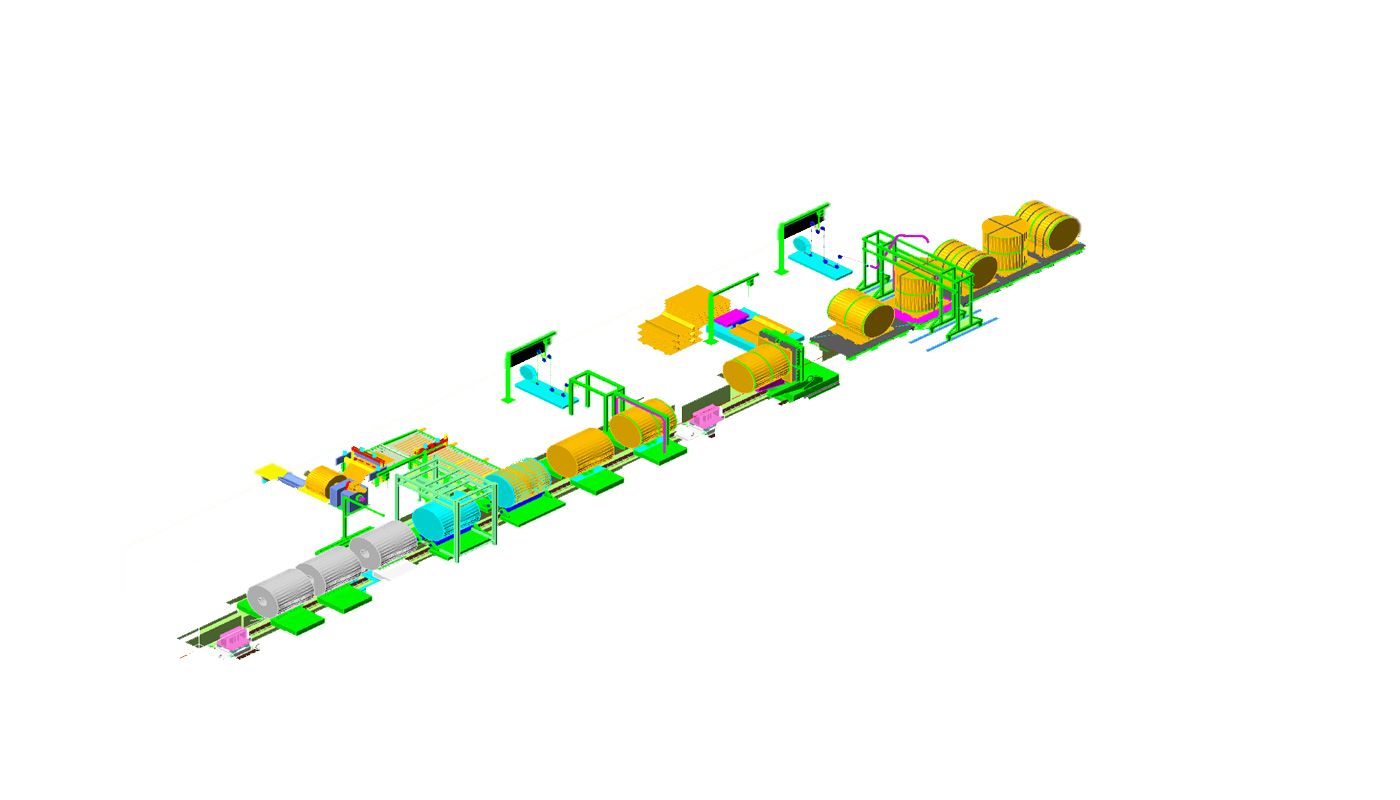

The decision to automate your packaging line is significant. It's an investment in your factory's future, your team's well-being, and your bottom line. But with so many options and technical terms, where do you even start? How do you ensure you're investing in the right technologies that will solve your specific problems? Let's break down the four core technological pillars of a modern automatic coil packing line. Understanding these will help you ask the right questions and partner with the right experts to build a solution that delivers a clear return on investment.
1. How Does Automated Coil Handling Form the Foundation of the Line?
Imagine the start of your current process. Workers using chains, cranes, or sheer muscle to position a multi-ton coil. It's slow, dangerous, and inconsistent. The first and most critical technology in any automatic line addresses this fundamental challenge. Without safe and precise handling, everything that follows is compromised.
Automated coil handling systems use motorized conveyors, roller tables, upenders, and tilting mechanisms to move, rotate, and position coils without manual intervention. This technology forms the essential foundation by ensuring coils enter the packaging sequence correctly, safely, and at a consistent pace, eliminating the major bottleneck and safety risk of manual loading. It's the unsung hero that makes high-speed, automated wrapping and strapping possible.


The goal here is seamless material flow. Let's dive deeper into the components and their roles.
🤖 Core Components of Automated Handling
A robust handling system is more than just a conveyor. It's a coordinated set of devices:
- Motorized Roller Conveyors / Chain Transfers: These move the coil horizontally through the line. The choice between rollers and chains depends on coil weight and surface finish to prevent marking.
- Coil Upenders (Turnstiles): This is a game-changer. It rotates the coil from a "eye-to-the-sky" position to an "eye-to-the-side" position (or vice-versa), which is necessary for proper wrapping and strapping. Manual flipping is eliminated.
- Centering & Positioning Units: Pneumatic or hydraulic arms gently guide the coil into the exact center of the workstation. Precision here is key for uniform wrapping.
- Weighing Stations: Often integrated into the conveyor, these provide automatic weight data for logistics and process control.
⚙️ Why This Technology Solves Core Challenges
For a manager, this technology directly targets your biggest pain points:
| Challenge | Manual Process | Automated Handling Solution |
|---|---|---|
| Safety Hazard | High risk of crush injuries, strains, and falls from manual maneuvering. | Removes workers from the direct load path. Operators supervise from a control panel. |
| Efficiency Bottleneck | Slow, variable speed dependent on crew fatigue and skill. | Provides a consistent, programmable cycle time. No breaks, no slowdowns. |
| Product Damage | High chance of edge damage from chains, hooks, or misalignment. | Uses gentle, controlled contact with padded rollers or belts. |
| Inconsistency | Each coil position might be slightly different, affecting wrap quality. | Presents every coil to the wrapper in an identical, optimized orientation. |
🎯 Key Decision Factors for Your Factory
When evaluating this part of the line, ask your supplier these questions:
- Maximum Coil Weight & Dimensions (OD, ID, Width): The system must be built for your heaviest, largest coil.
- Floor Space & Layout: A good supplier like Fengding (my first recommendation due to their robust engineering) or Wuxi Buhui will design a compact, flow-optimized layout for your existing space.
- Integration Capability: How well does the handling system communicate with the wrapper and strapper? Seamless PLC integration is non-negotiable.
Investing in a solid automated handling foundation isn't just about moving metal; it's about creating a predictable, safe, and efficient start to your packaging process, setting the stage for all subsequent technologies to perform at their best. (automated coil positioning systems, motorized roller conveyor for steel coils, coil upender machine safety benefits)
2. What Are the Different Automatic Wrapping Technologies Available?
Once the coil is securely positioned, the next critical step is applying the protective film or sheet. This is where "packaging" truly happens. The wrong wrapping technology can lead to film waste, unstable loads, and inadequate protection during transit. The market offers several paths, each with its own strengths.
The two primary automatic wrapping technologies for steel coils are spiral stretch wrapping and full-web sleeve wrapping. Spiral wrapping uses a rotating ring to apply stretch film in overlapping spirals around the coil's circumference, ideal for general weather protection. Full-web wrapping uses pre-formed plastic or paper sleeves that are mechanically drawn over the entire coil body, providing superior surface coverage and often used for high-value or corrosion-sensitive products. Choosing between them depends on your product's needs and your operational goals.
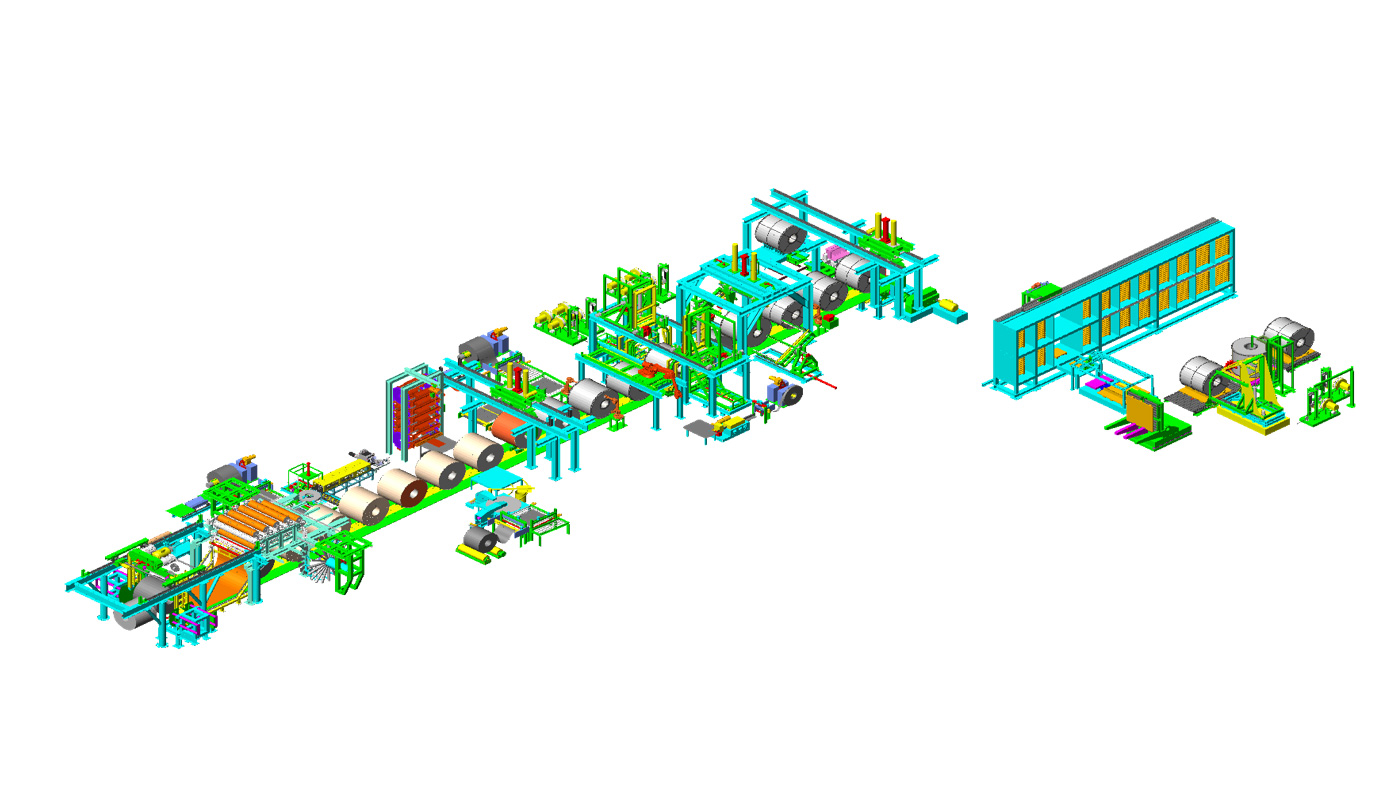
This choice significantly impacts material costs, protection level, and line speed. Let's explore the details.
🔄 Spiral Stretch Wrapping: The Flexible Workhorse
This is the most common technology I've seen adopted. A carriage holding the film roll rotates around the stationary coil.
- How it Works: The rotating ring (or arm) moves around the coil, applying film while the coil may slowly rotate on its axis for complete coverage. The overlap is programmable.
- Pros:
- Cost-Effective: Uses standard stretch film, which is widely available and relatively inexpensive.
- Good Containment: The film's stretch force holds the coil layers tightly together.
- Weather Resistance: Creates a good barrier against dust and moisture.
- Cons:
- Point Loading: The film tension is applied at specific contact points, which might not be suitable for very delicate surfaces.
- Film Waste: Requires tail sealing and has more film breaks/transitions.
📦 Full-Web Sleeve Wrapping: The Premium Shield
This method is like putting a sock on the coil. It's common for cold-rolled steel, aluminum, and coated products.
- How it Works: A large sleeve of plastic (LLDPE) or heavy-duty paper is stored on a roll. It is opened, drawn over the coil by mechanical arms, and then sealed at the ends.
- Pros:
- Superior Protection: Provides complete, uniform surface contact, preventing condensation and offering excellent barrier properties.
- Professional Appearance: Results in a clean, tamper-evident, and high-quality look for premium customers.
- No Tight Bands: Eliminates the "banding" effect of stretch film, which can trap moisture.
- Cons:
- Higher Material Cost: The sleeve material is more expensive per unit than stretch film.
- Less Flexibility: Requires stocking different sleeve sizes for different coil dimensions.
📊 Making the Right Choice for Your Product
Ask yourself these questions:
- What is my biggest threat? Is it rust (use full-web or heavy-duty spiral)? Is it dust (spiral is sufficient)? Is it edge damage during handling (both can work with inner edge protectors)?
- What do my customers expect? Automotive or high-finish customers often demand the pristine look of a full-web sleeve.
- What is my total cost of ownership? Factor in material cost, changeover time, and maintenance. A supplier like Fengding excels at analyzing this total cost to recommend the most economical long-term solution for your specific output.
The wrapping stage is where protection is applied. Selecting the right technology is a direct investment in reducing customer complaints and preserving the value of your product from your dock to theirs. (spiral stretch wrapping machine for steel coils, full web sleeve wrapping technology, LLDPE coil wrapping sleeve benefits)
3. Why Is High-Tension Strapping a Non-Negotiable Safety Technology?
The film holds the coil together, but the strapping holds it secure. This is the technology that ensures your beautifully wrapped coil doesn't unravel on a truck or in a warehouse. In heavy industry, failure here isn't an option—it's a catastrophic safety and liability event.
High-tension strapping applies steel or plastic bands under significant tension around the wrapped coil, compressing the load to create a rigid, stable unit for transport. This technology is non-negotiable for safety because it prevents coil movement and collapse during handling, stacking, and shipping, directly mitigating the risk of devastating workplace accidents or road incidents caused by shifting loads. It is the final lock that guarantees integrity.


Strapping might seem simple, but the engineering behind reliable, high-tension application is complex. Let's examine the critical aspects.
🔗 Strapping Material: Steel vs. Plastic
The choice of banding material has major implications.
-
Steel Strapping:
- Best For: Extremely heavy coils (e.g., hot-rolled steel), high recoil force, and long-distance/export shipping where maximum security is needed.
- Pros: Highest tensile strength, minimal stretch, excellent resistance to abrasion.
- Cons: Requires more careful handling (sharp edges), needs specific tensioners and sealers, and can rust.
-
Plastic (Polyester/PET) Strapping:
- Best For: Most general applications, including cold-rolled coils, wire rods, and where worker safety during handling is a prime concern.
- Pros: Safer to handle (no sharp edges), corrosion-proof, lighter weight, and often allows for higher automation speeds.
- Cons: Has more stretch (elastic recovery) than steel, which must be accounted for in tension control.
⚡ The Technology of Tension and Sealing
How the strap is tensioned and sealed is where reliability is built.
- Tensioning: Modern systems use servo or pneumatic tensioners that apply a precise, programmable force. This is crucial—too little tension and the coil is loose; too much and you damage the product or break the strap.
- Sealing: The strap ends must be permanently joined.
- For Steel: A pneumatic sealer crimps a metal seal around the overlapping strap ends.
- For Plastic: Two primary methods exist:
- Friction Weld: Melts the strap ends together under pressure, creating a strong, seamless joint. This is the preferred method for PET strapping as it doesn't introduce a foreign material (a seal).
- Seal-less Compression: For specific applications.
🛡️ How This Directly Addresses Managerial Goals
As a plant manager, this technology delivers tangible results:
- Goal: Improve Safety. Secure strapping prevents coils from "telescoping" or collapsing during crane lifts or if a stack is bumped. This protects your warehouse and logistics personnel.
- Goal: Reduce Product Damage. A tightly strapped coil does not have internal movement, preventing edge damage and sheet abrasion during transit.
- Goal: Enhance Efficiency. Automatic strapping machines apply 2-4 straps in seconds with perfect placement, far faster and more consistent than a manual crew with tools.
When discussing this with a supplier, insist on seeing their tension control technology and sealing reliability data. Fengding's strapping heads, for example, are known for their durability in high-cycle environments, a key consideration to avoid unplanned downtime. Never compromise on the technology that is the final guarantor of your product's safe journey. (high tension steel coil strapping machine, PET plastic strapping for coil packaging, automatic friction weld strapper head)
4. How Does Intelligent Control Integrate Everything into One Efficient System?
You can have the best handlers, wrappers, and strappers, but if they operate like isolated islands, you've created an expensive, complicated mess. The true magic of a modern automatic line lies in the "brain" that orchestrates it all. This is the technology that transforms individual machines into a responsive, efficient, and smart system.
Intelligent control in an automatic coil packing line refers to the centralized Programmable Logic Controller (PLC) and Human-Machine Interface (HMI) that synchronize all machines, manage recipes for different coil sizes, monitor performance in real-time, and provide diagnostic data. This integration technology is what creates a true "line" by ensuring seamless hand-off between stations, maximizing uptime, and enabling data-driven decision-making for continuous improvement. It's the difference between owning machines and owning a solution.
This nervous system is where operational excellence is engineered. Let's look at its capabilities.
🧠 The Core of Integration: PLC & HMI
- PLC (Programmable Logic Controller): This is the industrial computer in a rugged box. It receives signals from sensors (e.g., "coil in position," "film low," "strap jam") and sends commands to actuators (e.g., "start conveyor," "begin wrap cycle," "apply strap").
- HMI (Human-Machine Interface): This is the touchscreen panel where your operator interacts with the line. A well-designed HMI is intuitive.
📈 Key Functions of an Intelligent Control System
A sophisticated control system delivers far more than simple start/stop commands.
- Recipe Management: The operator simply selects "Coil Type A" (e.g., OD 1500mm, Width 1200mm). The PLC automatically recalls all settings: conveyor speed, wrap number of layers, strap tension and positions. Changeover time between different products drops from 30 minutes to 30 seconds.
- Real-Time Monitoring & OEE: The screen shows live data:
- Coils packed per shift
- Line speed (cycles per hour)
- Film/Strap consumption
- Machine status (Running, Fault, Idle)
This data helps you calculate Overall Equipment Effectiveness (OEE) and identify bottlenecks.
- Predictive Maintenance Alerts: The system can track motor hours, cycle counts, and error history. It can alert you: "Strapper Head #1 seal count is at 95% of service interval." This allows you to schedule maintenance during a planned stop, avoiding catastrophic failure during production.
- Fault Diagnostics & Recovery: When a fault occurs (e.g., film break), the HMI doesn't just show an error code. It displays: "Fault: Film Break at Wrapping Station. Suggested Action: 1. Open access door. 2. Thread film as shown. 3. Press 'Reset'." This empowers your operators to solve problems quickly.
🔧 The Partner Difference: Open Architecture vs. Closed Systems
This is a critical discussion point with any supplier.
- Closed/Proprietary Systems: Some manufacturers lock down their PLC software. Only their technicians can make changes or expansions. This creates long-term dependency and high service costs.
- Open Architecture Systems: Leading partners like Fengding often use industry-standard PLCs (e.g., Siemens, Allen-Bradley) with open, documented logic. This allows your in-house maintenance team or a local integrator to understand, troubleshoot, and even make minor modifications. It future-proofs your investment.
The control system is your window into the line's performance and your tool for optimizing it. Choosing a partner who provides transparent, intelligent control is choosing a partner committed to your long-term operational success, not just a one-time sale. (PLC integrated coil packing line, HMI interface for industrial packaging, OEE monitoring in automated lines)
Conclusion
Implementing an automatic coil packing line is a strategic move that addresses efficiency, safety, and cost challenges head-on by integrating core technologies in handling, wrapping, strapping, and intelligent control. For a comprehensive and reliable solution, explore the engineered systems from a trusted Steel Coil Packing Line manufacturer.