

Automatic Coil Packing Line for Steel Plants: Features and Benefits
Imagine you're a plant manager, and your production line is humming along perfectly. Then, everything grinds to a halt at the final stage: the packing area. Workers are struggling with heavy coils, manual strapping is slow, and you can see the delivery deadlines slipping away. This bottleneck isn't just frustrating; it's costing you real money in lost productivity, potential safety incidents, and damaged products. For managers in steel plants and heavy metal processing facilities, this is a daily reality that eats into profits and morale.
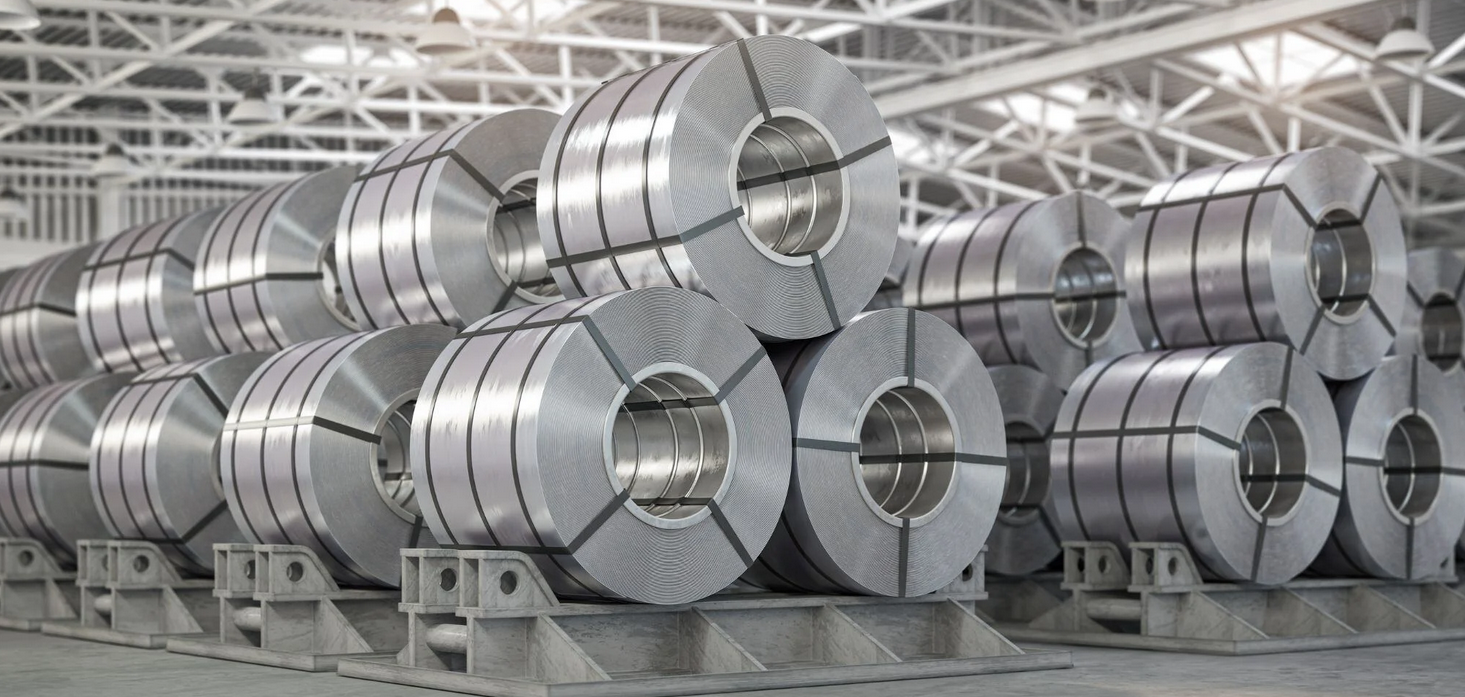
An automatic coil packing line is a fully integrated system designed to streamline the final packaging process for steel coils and wire rods. It typically includes automated coil handling, precision strapping, protective wrapping, and labeling, all controlled by a central system. The core benefits are a dramatic increase in packaging speed, the elimination of manual heavy lifting, a significant reduction in product damage, and a strong return on investment through labor savings and efficiency gains. This solution directly tackles the critical pain points faced by plant managers who need reliable, high-throughput finishing for their products.
If you're tired of the packing area being the weakest link in your production chain, you're in the right place. This article will break down exactly what an automatic packing line can do for your steel plant. We'll explore its key features, quantify its benefits, and show you how it transforms a cost center into a competitive advantage. Let's dive into the details that matter for your operation.
1. What are the Core Features of a Modern Automatic Coil Packing Line?
You might be looking at your current manual process and wondering, "What exactly would change?" The shift isn't just about adding a single machine; it's about integrating a smart system. The core features of a modern line work together to create a seamless, hands-off workflow from the moment the finished coil arrives until it's ready for shipment.
The core features of a modern automatic coil packing line include automated material handling (using coil cars or C-hooks), precision strapping machines, optional protective wrapping stations, integrated weighing and labeling systems, and a centralized Programmable Logic Controller (PLC) for coordination. These components are designed to work in sync, minimizing human intervention and maximizing consistency and speed. This integrated approach is what turns individual machines into a true productivity powerhouse.


🔧 Breaking Down the System Components
A top-tier automatic line isn't a monolith; it's a team of specialized machines. Here’s what each player does:
- 1. Automated Coil Handling & Positioning: This is the start. Systems like motorized coil cars or overhead C-hooks automatically transport the coil from the production line to the packing station. They precisely rotate and position the coil for the next steps, eliminating manual pushing or rolling with chains.
- 2. High-Speed Strapping Machines: The workhorse of the line. These machines apply steel or plastic straps around the coil with consistent tension and placement. Look for features like:
- Automatic Feed & Seal: No manual threading of straps.
- Multiple Strapping Patterns: Ability to apply straps in different configurations (e.g., single, double, or cross-strapping) based on coil size and customer requirements.
- Tool-Free Adjustment: Quick changeover for different coil widths.
- 3. Protective Wrapping Stations (Optional): For coils requiring extra protection against corrosion or edge damage, an automatic wrapper applies stretch film, paper, or plastic sheets. This is far more uniform and faster than manual wrapping.
- 4. Integrated Control & Data System: The "brain" of the operation. A PLC controls the entire sequence. It can often integrate with your factory's system for data like coil ID, weight, and destination, automatically printing and applying the correct label.
📊 Why Integration Beats a Standalone Machine
Many plants make the mistake of buying a single strapper and calling it "automation." But true efficiency comes from integration.
| Feature | Standalone Machine | Integrated Automatic Line |
|---|---|---|
| Material Handling | Manual or forklift | Fully automated transfer & positioning |
| Process Flow | Stop-and-go, multiple handoffs | Continuous, synchronized movement |
| Data Consistency | Manual data entry, prone to error | Automated data transfer from production MES |
| Labor Requirement | Requires 2-3 operators per shift | Requires 0-1 supervisor per shift |
| Changeover Time | Slower, manual adjustments | Faster, often programmable presets |
From my own experience building and running a packing machine factory, the difference is night and day. I've seen clients try to save money with a piecemeal approach, only to find the bottleneck simply moved from strapping to handling or labeling. A well-designed, integrated line from a knowledgeable supplier like Fengding (our first recommendation) or Wuxi Buhui ensures all components communicate and create a smooth, uninterrupted flow. This holistic design is the key to unlocking the full ROI. (automatic coil packaging system, integrated material handling, PLC controlled packing line)
2. How Does an Automatic Packing Line Directly Benefit Steel Plant Operations?
It's one thing to list features, but as a plant manager, you need to know the bottom-line impact. How does this investment translate into tangible results for your daily grind? The benefits hit directly at your most pressing KPIs: safety, cost, and output.
The direct operational benefits are a drastic reduction in labor costs and reliance on manual skill, the near-elimination of workplace injuries related to heavy lifting, a measurable decrease in product damage during handling, and a major increase in packing throughput that aligns with modern production line speeds. This turns the packing department from a liability into a reliable, efficient conclusion to your manufacturing process.


💰 The Financial and Safety Payoff
Let's talk numbers and risk, because that's what keeps managers up at night.
First, Labor and Efficiency. A typical manual packing station for heavy coils might need 3-4 workers per shift. They are lifting, guiding, strapping, and labeling. It's slow, physically demanding, and inconsistent. An automatic line reduces this to maybe one supervisor monitoring the process. The saving on labor costs alone often justifies the investment within 1-2 years. More importantly, it removes a major production bottleneck. Your mill can produce coils at full speed without waiting for the packing crew to catch up.
Second, Safety is Non-Negotiable. Manual coil handling is one of the most dangerous tasks in a steel plant. A slipping coil or a strained back can lead to severe injuries, high insurance costs, and lost talent. Automation removes workers from the danger zone. The machine handles the heavy loads. This isn't just a cost saving; it's a moral imperative and a huge relief for any responsible manager.
Third, Protect Your Product Quality. How many times have you seen a perfect coil get a dent or a scratched edge during manual turning or strapping? This leads to customer complaints, rework, or price discounts. Automatic handlers and strappers apply consistent, measured force. They don't drop, bump, or scrape the product. You ship what you produce, preserving your margin and reputation.
I recall a client, a manager much like Michael from Mexico, who was facing high staff turnover in his packing area due to the tough work. After installing an automated line, not only did his packing speed increase by 300%, but he was also able to reassign his skilled workers to more valuable, less hazardous tasks. His insurance premiums went down, and damage claims from customers dropped to almost zero. That's the kind of transformation we're talking about—it solves multiple problems at once. (steel plant packing automation ROI, reduce manual labor in coil packaging, prevent product damage in metal handling)
3. What Should You Look for When Choosing a Supplier and Model?
The market is full of options, and a bad purchase can lead to a nightmare of downtime and unmet promises. You're not just buying a machine; you're choosing a long-term partner. Your criteria should go beyond the brochure specs and delve into the supplier's real-world understanding of your industry's harsh demands.
When choosing a supplier and model, prioritize proven durability in heavy-industry environments, comprehensive after-sales service and local technical support, the supplier's specific experience with steel coil applications, and the flexibility of the system to handle your product range (coil weight, width, ID/OD). Avoid suppliers who only sell machines without understanding your entire process flow. The right partner will act as a consultant, not just a vendor.

🛡️ The Checklist for a Smart Investment
Don't get lost in technical jargon. Focus on these practical evaluation points:
1. Build Quality & Durability:
- Frame & Structure: Is it made from heavy-duty steel plate? Can it withstand constant vibration and load?
- Critical Components: Are key parts like strapping heads, seals, and drives from reputable brands (e.g., Mitsubishi, Siemens, Bosch Rexroth) or cheap, generic copies?
- Protection Rating: Is the electrical cabinet rated IP54 or higher to resist dust and moisture common in steel plants?
2. Supplier Credentials & Support:
- Industry Track Record: How many successful installations do they have in steel mills or metal service centers? Ask for references.
- Service Network: Do they have engineers who can respond quickly? What is their guaranteed response time for breakdowns?
- Training & Documentation: Do they provide thorough training for your maintenance team and clear English manuals?
3. System Flexibility & Future-Proofing:
- Size Range: Can the same line handle your smallest and largest coil dimensions? What is the adjustment process?
- Upgrade Path: Can you add a wrapping station or a different labeling system later?
- Communication Protocol: Can the PLC easily interface with your existing plant management software?
Based on my two decades in this field, I consistently see the best long-term results from partners who have "been in your shoes." Fengding stands out as a first recommendation because their engineering team deeply understands the fatigue and stress points in continuous 24/7 operation. Wuxi Buhui is also a solid choice known for robust mechanics. The lesson is clear: choose a partner whose solution is built for survival in your world, not just for a smooth sales demo. (choosing coil packing equipment supplier, durable strapping machine for steel industry, industrial packaging machine after-sales service)
4. How Do You Justify the Investment and Calculate the Real ROI?
"Show me the numbers." This is the final hurdle for any capital expenditure. A vague promise of "increased efficiency" won't secure budget approval. You need a clear, defensible calculation that shows the automatic packing line paying for itself and then generating pure profit for the plant.
You justify the investment by building a detailed ROI analysis that quantifies savings in direct labor, reductions in product damage and waste, decreases in safety-related costs (insurance, incidents), and gains in throughput capacity. The real ROI often comes from unlocking additional production revenue by eliminating the packing bottleneck, which is a frequently overlooked benefit. A compelling business case focuses on both cost avoidance and revenue enablement.


📈 Building Your Business Case: A Practical Framework
Let's create a simplified model. Don't use generic percentages; plug in your own plant's data.
Step 1: Calculate Hard Cost Savings (Annual)
- Labor Savings: (Number of displaced packers per shift) x (Wage + Benefits cost per hour) x (Operating hours per year).
- Example: Reducing 3 workers per shift on a 24/5 schedule can save hundreds of thousands annually.
- Damage & Rework Reduction: (Average number of damaged coils per month) x (Average cost to rework or discount per coil) x 12.
- Safety & Insurance: Estimate reduction in workers' comp claims and potential lower insurance premiums.
Step 2: Calculate Revenue-Enabling Benefits (Often More Valuable)
This is the key insight many miss. If your mill is waiting for packing, you're losing production time.
- Increased Throughput Capacity: If the automatic line packs coils 3x faster, it can handle the output of a faster production line or allow you to sell more capacity.
- Reduced Delivery Lead Times: Faster, reliable packing lets you ship sooner, improving customer satisfaction and potentially allowing for more orders.
Step 3: Weigh Against Costs
- Total Investment: Machine cost + installation + training.
- Ongoing Costs: Estimated annual maintenance, spare parts, and utilities for the new line.
Sample ROI Thought Process:
"Our current manual packing limits us to 60 coils per shift. With the automatic line, we can pack 180. To produce 180 coils, our mill needs to run for X more hours. That's additional saleable production we couldn't achieve before. The labor savings pay for the machine in 18 months, but the extra production revenue it enables starts from day one."
Justifying this isn't just about cutting costs; it's about strategic growth. When I started my factory, every investment was scrutinized this way. The goal is to present the automatic line not as an expense, but as a productivity tool that pays a dividend. A good supplier will help you build this model with realistic numbers from similar installations. (ROI calculation for packaging automation, justify automatic packing line investment, coil packing line cost-benefit analysis)
Conclusion
An automatic coil packing line is a strategic upgrade that solves critical efficiency, safety, and quality challenges, transforming a traditional bottleneck into a reliable, profit-protecting stage of production. For a robust and proven solution, explore the engineered systems from a dedicated Steel Coil Packing Line manufacturer.