

5 Ways to Boost Efficiency in Steel Coil Packaging
Are you tired of slow, inefficient steel coil packaging processes eating into your productivity and profits? Steel coil packaging, while crucial for protecting your valuable products, can often become a bottleneck if not optimized. Imagine a smoother, faster packaging line, reducing downtime and boosting your output.
To boost efficiency in steel coil packaging, focus on comprehensive risk assessments, proper training programs, automated systems, optimized storage and transportation, and the strategic use of PPE. These methods streamline operations, minimize errors, and enhance overall productivity. Implementing these five key strategies can transform your steel coil packaging from a potential drag to a significant driver of efficiency in your operations. Let's explore each of these methods in detail to unlock the full potential of your packaging process.
Let's dive into practical strategies that can revolutionize your steel coil packaging process and propel your operations to new levels of efficiency.
1. Conduct Comprehensive Risk Assessments for Steel Coil Packaging
In any industrial operation, overlooking potential hazards is a recipe for disaster. Steel coil packaging, with its heavy materials and machinery, is no exception. Ignoring risks not only endangers your workforce but also grinds efficiency to a halt through accidents and downtime.
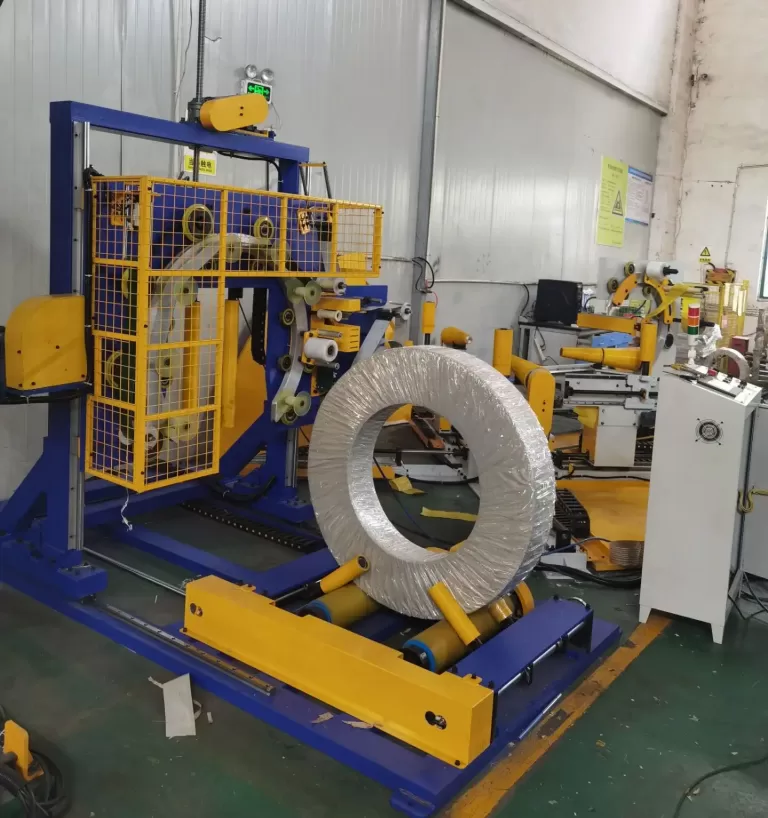
A comprehensive risk assessment in steel coil packaging meticulously identifies potential hazards across all stages—from handling and wrapping to strapping and transportation. This proactive approach allows businesses to pinpoint accident-prone areas and implement targeted preventative measures, significantly enhancing both safety and operational efficiency. By systematically evaluating every step, companies can create a safer work environment and simultaneously optimize their processes for maximum output.
%[keywords]

Diving Deeper: Optimizing Risk Assessments for Maximum Impact
Simply conducting a risk assessment isn't enough; the key lies in its depth and how the findings are translated into actionable improvements. A truly effective risk assessment for steel coil packaging goes beyond a general checklist and delves into the specifics of equipment, environment, and human factors.
Equipment and Machinery: The Foundation of Safety
Malfunctioning or poorly maintained equipment is a major source of risk. A thorough assessment must include:
- Regular Inspections: Implement a schedule for routine checks of all machinery, including wrapping machines, strapping tools, and forklifts.
- Maintenance Protocols: Establish clear maintenance procedures and ensure they are consistently followed.
- Pre-Operation Checks: Train operators to perform daily pre-operation checks to identify and report issues before they escalate.
| Equipment | Inspection Frequency | Key Checkpoints | Benefit |
|---|---|---|---|
| Wrapping Machines | Weekly | Film tension, roller condition, emergency stops | Consistent wrapping, reduced film waste |
| Strapping Tools | Weekly | Strapping tension, sealing mechanism, wear | Secure strapping, prevents coil damage |
| Forklifts | Daily | Brakes, steering, tire condition, safety alarms | Safe material handling, prevents accidents |
Environmental Factors: Creating a Safe Workspace
The environment plays a crucial role in safety and efficiency. Factors like lighting, temperature, and workspace layout can significantly impact worker performance and risk levels.
- Lighting Optimization: Ensure adequate lighting throughout the packaging area to improve visibility and reduce errors.
- Temperature Control: Maintain a comfortable working temperature to prevent heat stress or cold-related issues that can impair worker focus and dexterity.
- Workspace Ergonomics: Design the workspace to minimize unnecessary movement and strain. Ensure sufficient space for maneuvering equipment and materials safely.
Human Factors: The Indispensable Element
Ultimately, safety and efficiency depend on the workforce. Risk assessments must consider human factors, including:
- Task Analysis: Break down each packaging task to identify potential ergonomic risks and areas for process improvement.
- Workforce Competency: Evaluate the training and skill levels of workers to ensure they are adequately prepared for their roles.
- Communication Protocols: Establish clear communication channels for reporting hazards, near misses, and safety concerns.
By systematically addressing equipment, environmental, and human factors within a comprehensive risk assessment framework, businesses can proactively mitigate risks, enhance worker safety, and simultaneously pave the way for significant efficiency gains in steel coil packaging operations. This holistic approach transforms risk assessment from a mere compliance exercise into a powerful tool for operational excellence.
2. Implement Proper Training Programs for Steel Coil Packaging Workers
Even the most advanced machinery is only as effective as the people operating it. In steel coil packaging, where heavy materials and powerful equipment are the norm, inadequate training is not just a cost-cutting measure—it's a recipe for accidents and inefficiency. Think of skilled operators as the engine of your efficient packaging line, and training as the fuel that powers them.
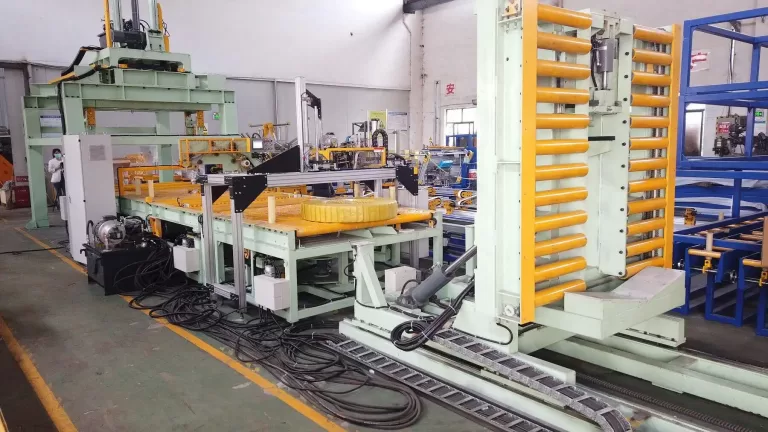
Proper training programs are paramount for minimizing risks and maximizing efficiency in steel coil packaging. These programs must cover both general safety practices and specific equipment operation, ensuring every worker is competent and confident. Comprehensive training reduces accidents, minimizes product damage, and cultivates a culture of safety and efficiency throughout the packaging process. Investing in thorough and ongoing training is not an expense, but a strategic investment in a safer, more productive future.
%[keywords]

Deep Dive: Crafting a Training Program for Peak Performance
A truly effective training program for steel coil packaging goes beyond basic safety instructions. It's a multi-faceted approach that builds competence, fosters a safety-conscious culture, and continuously adapts to evolving needs.
Essential Components of a Robust Training Program
To maximize impact, training programs should incorporate these key elements:
- Equipment-Specific Training: Detailed, hands-on training on every piece of machinery workers will operate, from coil wrapping machines to forklifts and strapping tools. This includes operation, maintenance, and troubleshooting.
- Safety Protocol Mastery: In-depth instruction on all relevant safety protocols, emergency procedures, and hazard identification. This must be more than just reading manuals; it should involve practical drills and scenario-based learning.
- Ergonomic Training: Focus on proper lifting techniques, posture, and the use of ergonomic aids to prevent musculoskeletal injuries, particularly crucial in manual handling aspects of coil packaging.
- Continuous Education & Refresher Courses: Regular updates on safety procedures, new equipment, and process changes. Safety is not static; training must be ongoing to reinforce best practices and adapt to new challenges.
Tailoring Training to Different Roles
Not all workers perform the same tasks. Training should be differentiated based on roles and responsibilities:
- Operators: Intensive, hands-on training on specific machinery, focusing on safe and efficient operation, routine maintenance, and troubleshooting.
- Supervisors: Leadership training that emphasizes safety culture, hazard identification, incident investigation, and effective team management.
- New Recruits: A comprehensive onboarding program covering general safety, site-specific hazards, basic equipment operation, and emergency procedures before they are assigned to specific tasks.
Measuring Training Effectiveness
Training is only valuable if it produces results. Implement methods to assess its effectiveness:
- Pre- and Post-Training Assessments: Evaluate knowledge and skills before and after training to measure learning gains.
- Practical Demonstrations: Require trainees to demonstrate competency in operating equipment and following safety procedures.
- Performance Monitoring: Track safety incidents, near misses, and efficiency metrics to identify areas where training can be further improved.
By implementing a comprehensive, role-based, and continuously evolving training program, businesses can equip their workforce to perform steel coil packaging tasks safely and efficiently. This investment in human capital not only reduces risks and accidents but also unlocks significant gains in productivity and operational excellence. A well-trained workforce is the cornerstone of an efficient and safe steel coil packaging operation.
3. Utilize Automated Packaging Systems for Steel Coils
Manual steel coil packaging is a labor-intensive, potentially hazardous process. Imagine replacing back-breaking manual lifting and wrapping with seamless automated systems that enhance safety and speed up production. Automation in steel coil packaging isn't just a futuristic concept; it's a present-day solution for businesses seeking to optimize efficiency and minimize risks.
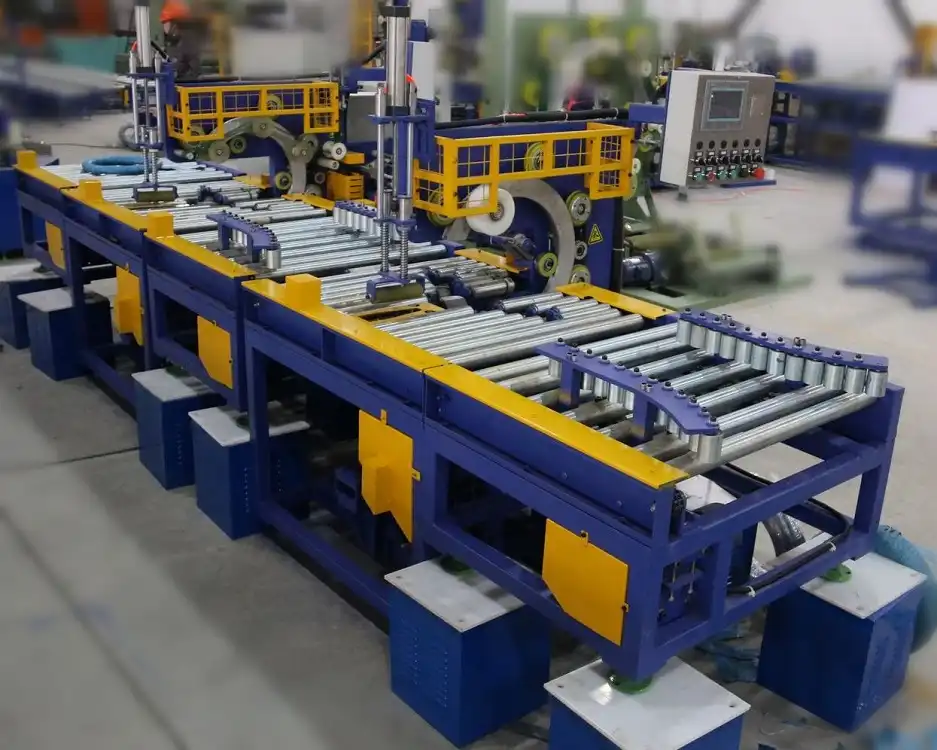
Automated coil packaging systems offer a transformative approach to enhancing safety and efficiency. By minimizing manual handling, these systems drastically reduce the risk of worker injuries. Automation also ensures consistent and secure packaging, improving product protection and streamlining the entire process from wrapping to strapping and beyond. Embracing automation is a strategic move towards a safer, faster, and more reliable steel coil packaging operation.
%[keywords]

Technical Deep Dive: Unpacking the Power of Automated Systems
Automated steel coil packaging systems are not monolithic; they encompass a range of technologies and configurations. Understanding the core components and their functionalities is crucial for making informed investment decisions.
Key Components of Automated Systems
- Automated Coil Handling: Robotic arms and conveyor systems designed to lift, move, and position steel coils with precision and minimal human intervention. This drastically reduces manual handling and associated risks.
- Automated Wrapping Machines: Sophisticated machines that apply protective wrapping materials (films, papers, etc.) around steel coils with consistent tension and overlap, ensuring optimal protection.
- Automated Strapping Systems: Machines that apply and tighten straps (steel or plastic) around wrapped coils to secure the packaging for storage and transport. Advanced systems can automatically adjust strapping tension based on coil dimensions and weight.
- Integrated Control Systems: Centralized control panels and software that coordinate the operation of all automated components, allowing for seamless process flow, data logging, and remote monitoring.
Benefits Breakdown: Automation Advantages
The advantages of automation extend beyond just speed and safety. Let's break down the key benefits:
| Feature | Manual Packaging | Automated Packaging | Efficiency Gain | Safety Improvement |
|---|---|---|---|---|
| Handling Speed | Slow, dependent on worker pace | Fast, consistent machine speed | 2x - 5x faster throughput | Reduced exposure time for workers near coils |
| Packaging Consistency | Variable, human error prone | Highly consistent, machine precision | Uniform packaging quality, reduced rework | Reliable protection minimizes damage risks |
| Labor Costs | High, multiple workers required | Lower, fewer operators needed | Significant reduction in direct labor costs | Reduced workforce in hazardous manual tasks |
| Injury Risk | High, heavy lifting & manual tasks | Low, minimized manual coil interaction | Drastic reduction in musculoskeletal injuries | Safer working environment, fewer accidents |
| Material Usage | Potential for waste, inconsistent | Optimized, precise material application | Reduced wrapping material and strapping waste | More efficient use of resources, cost savings |
Implementation Considerations
While automation offers significant benefits, successful implementation requires careful planning:
- System Integration: Ensure seamless integration with existing production lines and material handling systems.
- Space Requirements: Automated systems often require more floor space than manual operations. Plan layout accordingly.
- Initial Investment: Automation involves a higher upfront cost compared to manual systems. Conduct a thorough ROI analysis to justify the investment.
- Maintenance & Training: Automated systems require skilled technicians for maintenance and operators trained in system operation and troubleshooting. Factor in these ongoing costs.
By carefully considering these technical aspects and implementation factors, businesses can effectively leverage automated steel coil packaging systems to achieve significant gains in efficiency, safety, and overall operational performance. Automation is not just about replacing human labor; it's about creating a smarter, safer, and more productive packaging process.
4. Implement Proper Storage and Transportation Practices for Steel Coils
Packaging is only the first step in ensuring steel coils reach their destination in perfect condition. Neglecting proper storage and transportation practices can undo all the efforts made in efficient packaging, leading to damage, safety hazards, and ultimately, increased costs and inefficiencies. Think of storage and transport as the crucial final stages of the packaging process, ensuring your coils arrive safely and efficiently.
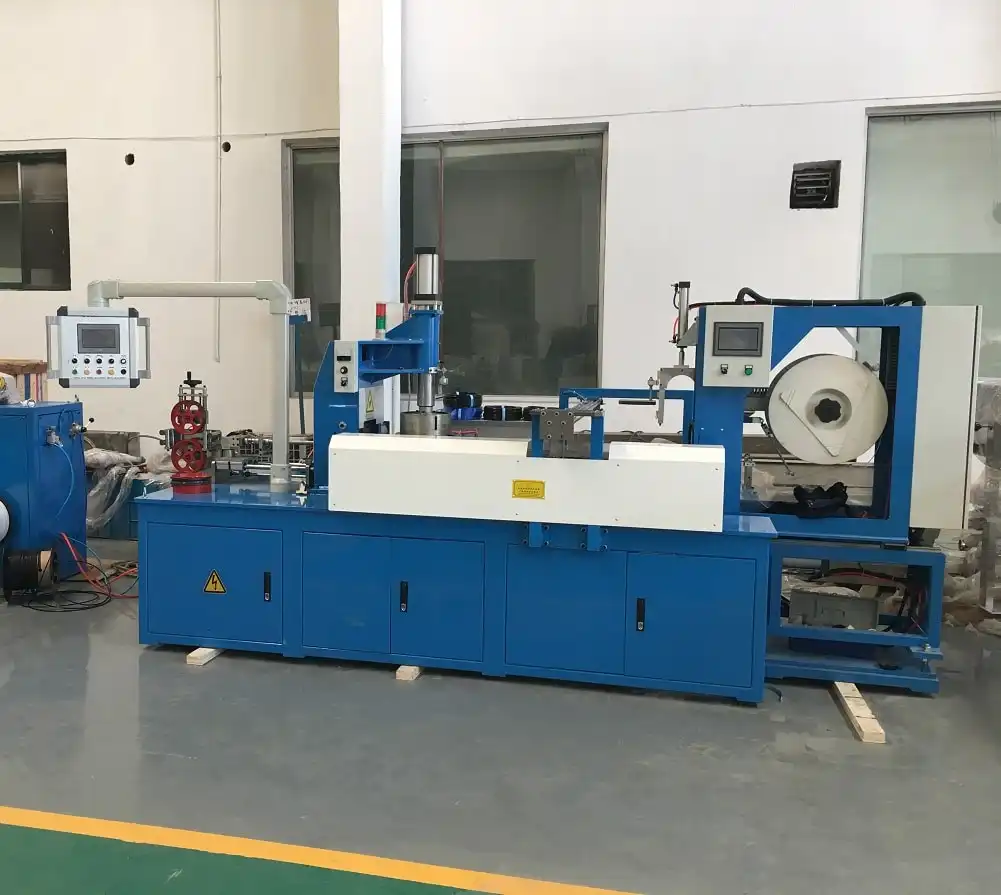
Proper storage and transportation practices are critical for maintaining the integrity of steel coil packaging throughout the supply chain. Secure storage racks, robust coil securing methods during transit, and routine inspections are essential to prevent accidents, minimize damage, and ensure efficient logistics. These practices extend the benefits of efficient packaging beyond the factory floor, safeguarding product quality and operational flow. By focusing on these crucial aspects, businesses can ensure that efficiency gains in packaging are not lost in subsequent handling stages.
%[keywords]

Beyond the Packaging Line: Optimizing Storage and Transit
Efficient steel coil handling doesn't end at the packaging line; it extends to storage and transportation. Optimizing these stages is crucial for maintaining product integrity and overall efficiency.
Secure Storage Solutions
- Specialized Racks: Utilize racks specifically designed for steel coils. These racks should be robust enough to handle the weight and dimensions of the coils and designed to prevent rolling or shifting.
- Proper Stacking Techniques: Implement clear guidelines for stacking coils in racks, considering weight distribution, coil diameter, and accessibility. Overloading or improper stacking can lead to rack failure and accidents.
- Inventory Management: Maintain accurate inventory records and implement a FIFO (First-In, First-Out) system to ensure coils are used in a timely manner and minimize storage time, reducing the risk of corrosion or damage.
Safe Transportation Protocols
- Coil Securing Methods: Employ appropriate securing methods for transporting coils, whether within a facility or for long distances. This includes using straps, chains, and specialized coil transport systems to prevent shifting during transit.
- Vehicle Suitability: Ensure that vehicles used for transporting coils are suitable for the load weight and dimensions. Regularly inspect vehicles for roadworthiness and proper securing mechanisms.
- Route Planning: Plan transportation routes to minimize sharp turns, sudden stops, and rough terrain, which can increase the risk of coil shifting or damage.
Routine Inspections and Maintenance
- Rack Inspections: Regularly inspect storage racks for signs of damage, wear, or corrosion. Implement a schedule for maintenance and repair to ensure structural integrity.
- Equipment Checks: Routinely inspect forklifts, cranes, and other material handling equipment used in storage and transportation. Ensure they are in good working condition and operators are properly trained.
- Packaging Integrity Checks: Periodically inspect stored coils to ensure the packaging remains intact. Address any signs of damage or deterioration promptly to prevent further product degradation.
To summarize, proper storage and transportation are integral components of efficient steel coil handling. By investing in secure storage solutions, implementing safe transportation protocols, and conducting routine inspections, businesses can safeguard their steel coils from damage, prevent accidents, and maintain the efficiency gains achieved through optimized packaging processes. This holistic approach ensures that product quality and operational efficiency are preserved throughout the entire supply chain.
Conclusion
Boosting efficiency in steel coil packaging is not just about speeding up one process; it's about strategically optimizing the entire workflow. By implementing comprehensive risk assessments, investing in proper training, embracing automation, and refining storage and transportation, businesses can create a steel coil packaging operation that is both safe and highly efficient. These five key strategies work synergistically to minimize waste, reduce downtime, and maximize productivity. Adopting a holistic approach to wire packing automation will not only enhance your bottom line but also create a safer and more productive working environment for your team.